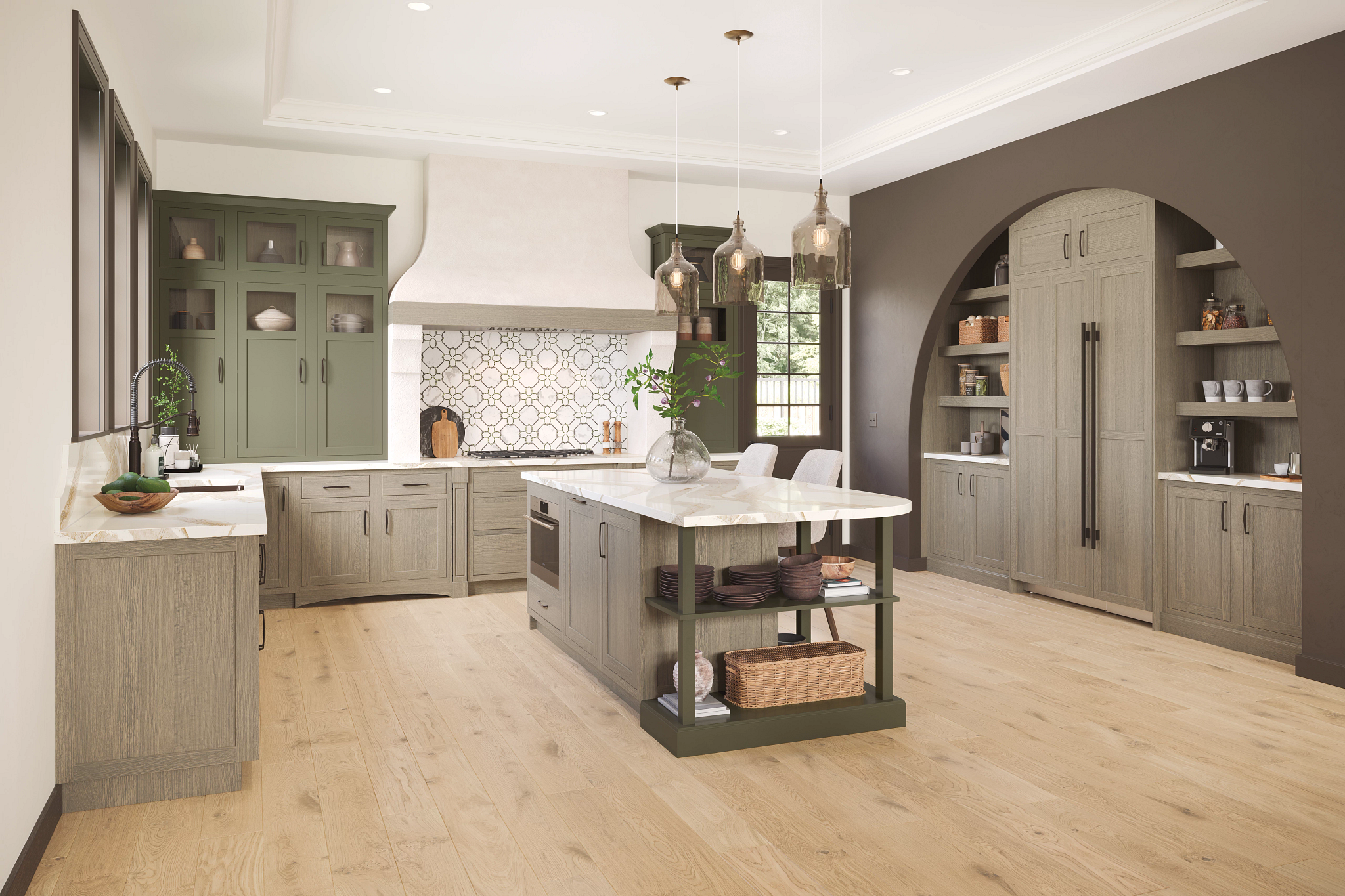
You’ve been talking about remodeling your kitchen for years. You have a photo collection of kitchens you love, and might have an idea of exactly what you’d change.
But something’s holding you back from taking the first step…
It’s the mystery of what has to happen between now and that finished dream kitchen.
So you wait, and another year goes by.
Homeowners don’t always delay a kitchen remodel because of the money. Sometimes, the problem is uncertainty. Maybe it seems like the project’s going to be expensive, disruptive, and way too complicated. There are so many decisions to make—putting it off almost feels safer than making the wrong one.
If that’s where you are, we’re here to help.
Luckily, you don’t need to become an expert in kitchen remodeling to take the first step. You just need a little more clarity on what to expect.
Reasons Homeowners Put Off a Kitchen Remodel
There’s rarely one reason. More often, several concerns pile up until doing nothing feels easier than making the first move.
Here are some of the most common reasons for delaying the project.
1. They’re Worried About the Cost
A kitchen remodel is a huge investment, and it can be difficult to know what yours will cost before you’ve defined the scope.
Luckily, you don’t need an exact number to start. A realistic budget range can give you a foundation for exploring what’s possible.
Learn what goes into the cost of a full kitchen remodel if you’re concerned about pricing.
2. They’re Afraid of Making an Expensive Mistake
A kitchen remodel done wrong is expensive to live with, and even more expensive to redo. Most kitchen remodel regrets don’t come from a bad contractor or a rushed timeline, they come from a decision made without enough information at the time.
Cabinetry and other big kitchen decisions aren’t easy to undo. It’s natural to worry about choosing the wrong style, layout, finish, or features.
This is exactly when a good designer or cabinetry professional earns their value, someone who can spot the choices you’d likely regret later, before you’ve committed to them.
3. They’re Overwhelmed by the Choices
Shaker or slab? Inset or overlay? White or wood? Brass or black?
Then come measurements, appliances, storage, layouts, and dozens of smaller decisions.
It’s enough to make “I’ll deal with it later” feel like a perfectly reasonable plan. But you don’t need to make every decision at once. You just need enough clarity to take the next one.
Explore different types of kitchen cabinets here.
4. They’re Nervous About Living Through the Remodel
There’s no getting around it: remodeling your kitchen can disrupt your daily routine.
Where will you make coffee? How will you prepare meals? How long will you be without a functioning kitchen?
The disruption is temporary, though. Understanding the process and planning ahead for the inconvenience makes it feel much more manageable.
See how the iCabinetry process works.
5. They Don’t Know Where to Start
This may be the biggest reason of all.
You know you want a new kitchen. You just don’t know whether to start with a budget, a designer, your measurements, appliances, cabinets, or somewhere else entirely.
But you don’t need a perfect plan before you begin. Sometimes the first step is simply talking to someone who can help you understand your options.
Here are a few more tips on how to start planning a kitchen remodel.
Waiting Until You Feel “Ready”?
The truth is, you may never feel completely ready.
There will probably always be another decision to research, another kitchen to save on Pinterest, and another reason to wait six more months.
And that’s because a kitchen remodel truly is a big decision. But you don’t need to know exactly what you want to feel ready. You just have to be willing to start exploring the process.
Remember: you can begin without knowing your final cabinet color or perfect floor plan. Speak with a designer or cabinet supplier—the details will become clearer as you go.
In fact, that’s what the early stages of a remodel are for. They help you get answers.
How to Move Forward Without Rushing Into the Remodel
You don’t need to go and tear out your kitchen tomorrow. Just start thinking about what isn’t working in your current kitchen and go from there.
What drives you crazy?
Maybe there’s never enough storage, or maybe the cabinets are falling apart. Maybe your appliances just don’t meet your needs anymore.
These frustrations you’ve been living with are useful information for a remodel.
Your new kitchen should solve real problems.
Separate Your “Must-Haves” From Your “Nice-to-Haves”
The wish list for a dream kitchen can be extensive. But your budget may not be extensive, and that’s okay.
Focus on the things that would tangibly improve the way you use the space. Then list out the things you could probably live without. You may have the capacity for those later, but for now this keeps you focused on the most important updates first.
And if you’re still unsure how different cabinetry options fit into your priorities, explore iCabinetry’s kitchen cabinet collections to see the range of styles, finishes, and customization options available.
Establish a Budget Range
This is the part that intimidates people out of just getting started. But luckily, you don’t need to calculate an exact project total on day one (if that was even possible!). A realistic range is enough to begin.
Start with deciding what you’re comfortable investing in the project. That makes the rest of the conversation much more productive. It also gives your designer or cabinetry professional a much-needed framework for helping you explore the right options.
The goal is to spend intentionally.
Get Help Before You Have All the Answers
No need to research everything before talking to a professional. They’re there to help.
A good design consultation helps you make decisions, not test whether you’ve already made them.
You may have measurements and inspiration photos, but absolutely no idea what kind of cabinets you want. And that’s okay.
A knowledgeable cabinetry team can help you work through the options and pinpoint what makes sense for your space and budget.
For example, iCabinetry offers remote design support, allowing homeowners to work with a designer without needing to visit a showroom in person. You can share project details, measurements, existing plans, and design preferences and work through the possibilities together.
And you don’t necessarily need every cabinet selected before reaching out.
That’s the point of getting help.
See What Other Homeowners Have Done
Sometimes the best way to get unstuck is to stop imagining your dream kitchen in the abstract. Look at real kitchens instead.
Browse iCabinetry’s kitchen project gallery to see how real homeowners have approached cabinetry, layouts, finishes, and styles.
You might discover something you love that you hadn’t even considered.
Let the Project Become Real, Gradually
You don’t have to leap from “Maybe someday” to “Demolition starts Monday.” There is a middle ground.
Gather inspiration, look at cabinet styles, establish a budget, and request a quote. These baby steps give you momentum, which eventually evolves into a full-blown plan for your kitchen remodel.
Your Dream Kitchen Starts With One Small Decision
Maybe you’ve been putting off your kitchen remodel for six months. Or maybe it’s been six years. It doesn’t matter—all that matters is the small decision to take one step.
A good place to start is to answer this one question:
What would make your kitchen work better for you?
Then find out what it would take to make that happen.
The first conversation doesn’t lock you into a design. The first quote doesn’t obligate you to buy. And the first cabinet sample doesn’t mean demolition is imminent.
It just means you’re no longer waiting.
Ready to Take the First Step?
You don’t need a finished plan; you just need somewhere to begin.
And let the iCabinetry team guide you in exploring what’s possible for your home.
Or, if you have questions before you’re ready for a quote, contact the iCabinetry team. Sometimes a simple conversation is all it takes to turn “someday” into something real.
FAQs: Kitchen Remodel Planning
Homeowners may delay a kitchen remodel because they’re concerned about cost, overwhelmed by design decisions, worried about making an expensive mistake, nervous about living through construction, or simply unsure where to start. Often, several of these concerns happen at once. Having a clear budget range and understanding the remodeling process can make the project feel more manageable.
Some of the most important things to consider when remodeling a kitchen are your budget, current layout, storage needs, appliances, cabinet style and construction, countertop space, lighting, and how you actually use the room. Start with the problems you want the remodel to solve rather than choosing finishes first.
A basic kitchen remodel checklist should include identifying your goals, establishing a budget, assessing the existing layout, measuring the space, considering appliance locations, choosing cabinets, planning storage, selecting finishes, and understanding the installation process. The exact checklist will depend on the scope of your renovation.
Start by identifying what isn’t working in your current kitchen and what you want to improve. Then establish a realistic budget range and begin exploring layouts, cabinetry, and other options. You can also speak with a kitchen designer or cabinetry professional early in the process—you don’t need to have every decision made before asking for guidance.
The timeline for a kitchen renovation depends on the scope of the project, the products involved, cabinet availability, contractor scheduling, and whether you’re changing the existing layout. A simple cabinet replacement will generally involve fewer steps than a renovation that includes structural, plumbing, electrical, or flooring changes. Planning ahead and understanding the process can help you prepare for the disruption.