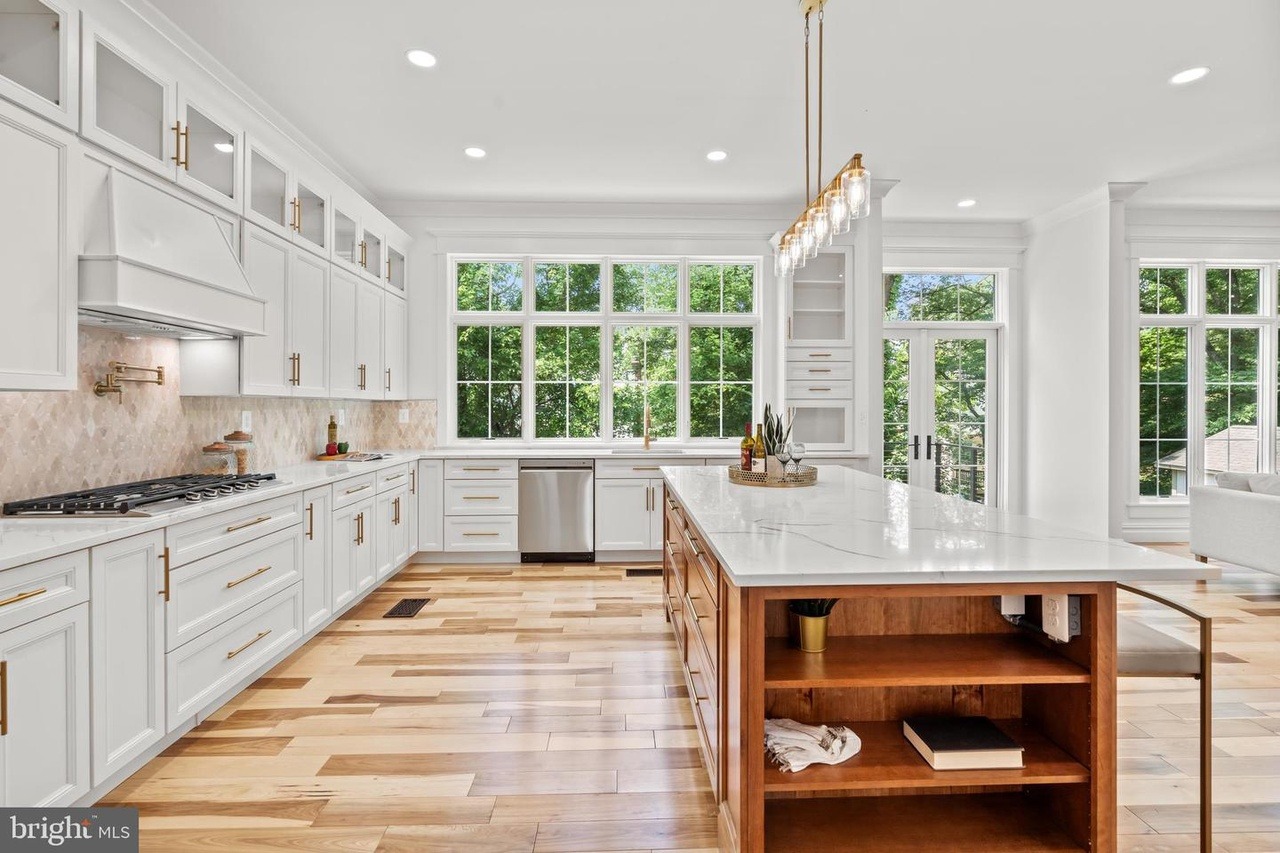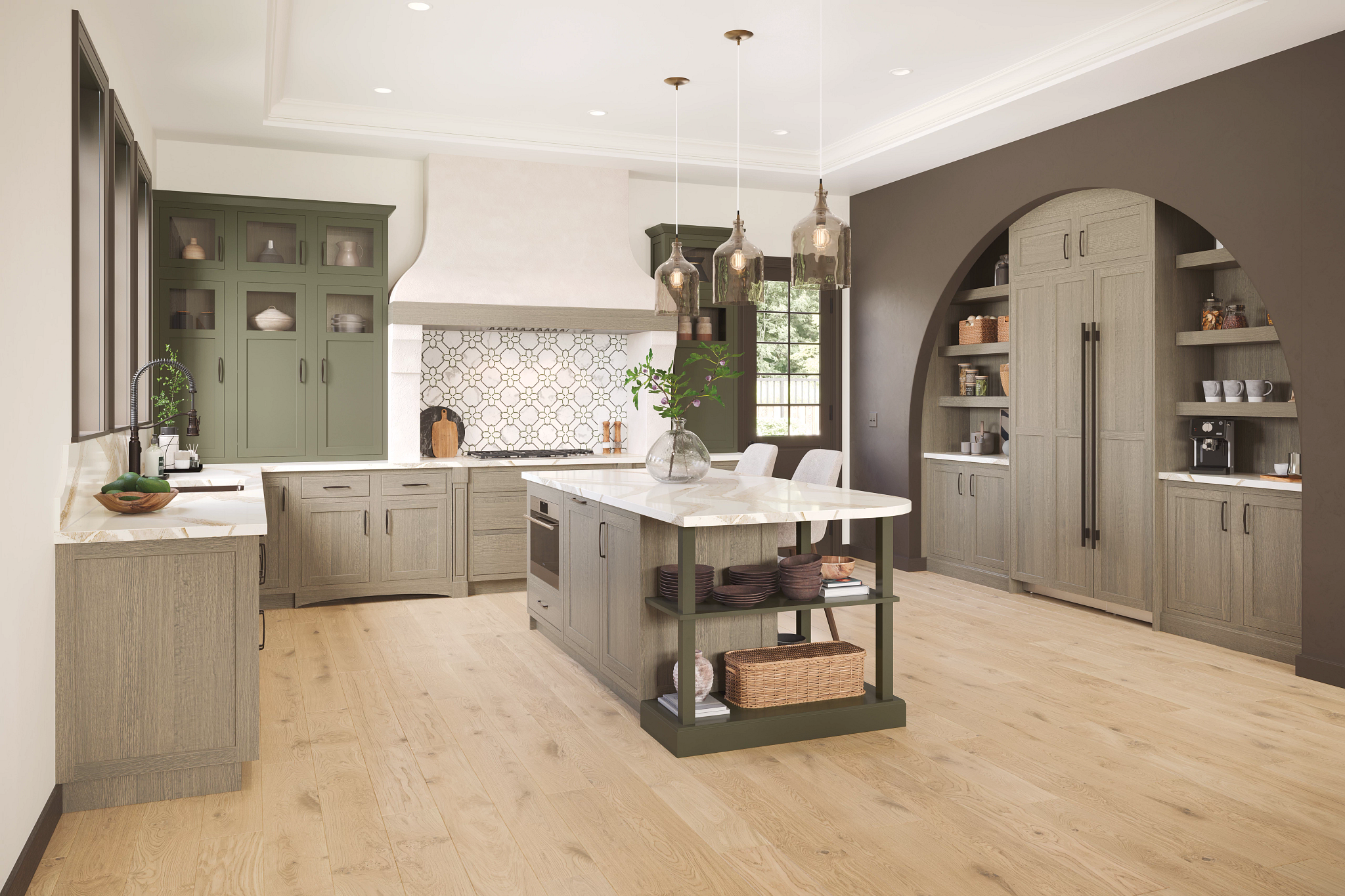
There’s no question that a kitchen remodel is a big investment. The decisions you make early on can affect how your kitchen looks and functions for years. A few common mistakes, like choosing the wrong cabinet layout, can lead to unexpected costs, delays, and a finished kitchen that doesn’t feel the way you hoped.
The most common kitchen remodeling mistakes to avoid are setting an unrealistic budget, ordering cabinets before double-checking measurements, not considering storage needs, prioritizing appearance over function, and not planning the layout and ordering timeline beforehand.
Careful planning and reviewing your cabinet choices before ordering can help you avoid costly problems later. And fortunately, most kitchen remodeling mistakes are easier to prevent when you plan ahead. Before you order cabinets or commit to a design, here are the top mistakes you should avoid.
1. Starting Without a Realistic Budget
Homeowners often focus on the cabinets, countertops, and finishes they love without considering everything else that goes into a kitchen renovation.
Labor, installation, appliances, flooring, lighting, plumbing, and other materials can all affect your final costs.
Without a realistic budget, you could end up making rushed decisions later or cutting back on features that matter to you.
How to avoid it:
- Set an overall budget before choosing materials and finishes.
- List the major expenses, including cabinetry, installation, appliances, and other renovation work.
- Decide which features are must-haves and where you’re comfortable making trade-offs.
- Leave room for unexpected expenses rather than allocating every dollar upfront.
Cabinetry deserves some extra budget consideration because the price can vary a lot depending on construction, materials, customization, and finish options. We’d recommend comparing options based on what they include, not just the starting price.
If you don’t know how to create your budget, our kitchen remodeling cost guide should help you get started.
2. Ordering Cabinets Before Measuring and Planning Properly
One of the most costly kitchen renovation mistakes is making cabinet decisions before the measurements and layout are fully worked out.
A cabinet run that doesn’t account for a window, appliance, doorway, or uneven wall can create bigger problems during installation.
Measurements are also what help your cabinet supplier determine which cabinet sizes, configurations, and modifications will work in your space.
How to avoid it:
- Measure every wall, including its full length and ceiling height.
- Record the locations and dimensions of windows, doors, appliances, and existing plumbing or electrical fixtures.
- Note obstructions such as soffits, beams, pipes, and vents.
- Confirm appliance dimensions and clearances before finalizing the cabinet layout.
- Review the complete cabinet plan before placing your order.
Don’t rely on a rough estimate or measurements taken from memory. Take the time to document your space and have the design checked before committing to an order.
🛠️ Pro Insight: Still in the measuring phase? Explore how to measure your kitchen before ordering cabinets.
3. Choosing Cabinets for Their Appearance Alone
Yes, beautiful cabinets can completely transform a kitchen. But looks are not the only consideration. The right cabinetry should also work well with your storage needs, cooking habits and available space.
How to avoid it:
- Think about what you store and use every day.
- Consider drawer storage, pantry space, corner cabinets, and access to frequently used items.
- Compare cabinet construction, finish options, and available configurations.
- Decide where customization would make a real difference to your kitchen.
- Look beyond appearance and consider how the cabinets will function ten years from now.
You don’t always need the most expensive cabinetry to get a kitchen that works well, either. Look for options that balance appearance, function, quality, and cost—comparing stock, semi-custom, and custom cabinets can help you find the right balance.
4. Overlooking Everyday Storage and Workflow
A kitchen can look spacious and open yet still be frustrating to use. Maybe the cabinets are hard to access, or there simply isn’t enough drawer space to store everything.
Storage problems are even easier to overlook when you’re planning primarily around appearance. You might have plenty of cabinets but still struggle to find a practical place for cookware, pantry items, cleaning supplies, or appliances.
How to avoid it:
- Take inventory of what you’re currently storing in your kitchen.
- Work out which storage problems you want the remodel to fix.
- Plan where everyday items will be stored, like dishes, cookware, food, and small appliances.
- Consider how you’ll move between the refrigerator, sink, and cooking area.
- Make sure cabinet doors, drawers, and appliances can open without interfering with one another.
The classic kitchen work triangle—connecting the sink, refrigerator, and stove—is a helpful planning tool.
🛠️ Pro Insight: Want more layout ideas? Here are some modern kitchen layouts for a smarter setup that will make your life easier.
5. Choosing Design Details Without Considering the Whole Kitchen
It’s tempting to choose a cabinet color, door style, or island design as soon as you find something you love. But those individual choices need to work for the bigger picture.
Cabinet finishes, countertops, flooring, backsplash materials, hardware, lighting, and appliances all add to the final look. Making decisions in isolation can leave you with combinations that don’t feel cohesive.
How to avoid it:
- Establish an overall design direction before choosing every detail.
- Think about how cabinet colors and finishes will work with your countertops, flooring, and lighting.
- Review samples together rather than judging each material separately.
- Think carefully about the size and placement of an island before committing to one.
- Check that the design suits the proportions and natural light of your room.
You don’t need to finalize every decorative detail before ordering cabinets, but you should understand the overall design first.
If you don’t know what to choose, here are some of the cabinet options and how to pick the right one for your upcoming project.
6. Comparing Cabinet Prices Without Comparing What’s Included
A low starting price sounds great on paper, but it doesn’t always tell you what the finished project will cost. Different cabinet companies offer different construction options, customization levels, finishes, and services.
If you compare quotes without checking what’s included, you might end up evaluating very different projects or overlooking additional costs.
How to avoid it:
- Confirm which cabinets, modifications, and finish options are included in each quote.
- Check whether accessories, trim, panels, and other necessary components are included.
- Ask about design support and what you’ll receive before ordering.
- Understand shipping, delivery arrangements, and estimated lead times.
- Review the final cabinet specs and quote before approving the order.
Don’t overlook the importance of clear communication from your cabinet company. They should make it easy for you to understand what you’re purchasing, what decisions are left to make, and what happens after you place your order.
Here is a helpful approach to comparing different cabinet companies and quotes.
7. Waiting Too Long to Plan Your Cabinet Order
Cabinetry is a major part of a kitchen renovation, so its timing can affect the rest of the project. If you leave cabinet selections until the last minute, this could create scheduling pressure for your family and all the trades involved in the project.
Custom and semi-custom cabinetry especially involves design approvals, production time, and delivery coordination.
How to avoid it:
- Research cabinet options early in the planning process.
- Finalize measurements and the layout before approving the order.
- Ask your cabinet supplier for an estimated production and delivery timeline.
- Coordinate cabinet timing with your contractor and other trades.
- Allow enough time to review the design and resolve questions before ordering.
And remember that not every cabinet line has the same lead time. Confirm the current estimate for the products you like with the supplier, and build your reno schedule around that info.
Kitchen Remodel Checklist (Before You Order Cabinets)
Before placing your cabinet order, take a moment to confirm that you’ve covered all the essentials:
✓ Set a realistic project budget and identify your priorities.
✓ Measure the kitchen and document windows, doors, appliances, and other obstructions.
✓ Review the cabinet layout and confirm how the space will function.
✓ Plan storage around your household’s everyday needs.
✓ Compare cabinet construction, finishes, customization, and pricing.
✓ Review the final quote and confirm what’s included.
✓ Check estimated lead times and coordinate the schedule with your project team.
Still working through some of these decisions? You’re not alone in the process. Get in touch with our team to discuss your project and plan your cabinetry before ordering.
Plan Your Kitchen Cabinets With Confidence
A successful kitchen remodel involves so much more than choosing cabinets you love. It’s about making informed decisions and choosing products that suit your space, needs, and budget.
Taking time to plan your layout, compare cabinet options, and understand your quote can help you avoid the most common kitchen remodeling mistakes before they become expensive problems.
At iCabinetry, homeowners can explore cabinet options and get support with their project planning.
FAQs: Kitchen Remodeling Mistakes to Avoid
Common mistakes include setting an unrealistic budget, ordering cabinets before confirming measurements, choosing cabinetry based only on appearance, overlooking storage needs, making disconnected design decisions, comparing quotes without checking what’s included, and waiting too long to plan an order.
Measure your kitchen carefully, confirm appliance dimensions, review the cabinet layout, identify your storage needs, and compare cabinet options and quotes. Before approving the order, check the final specifications and understand the estimated production and delivery timeline.
Set a budget that accounts for cabinetry, labor, appliances, materials, and other project expenses. Prioritize the features that matter most, compare quotes carefully, and leave room for unexpected costs. Avoid committing to design choices before understanding their impact on the total budget.
Consider cabinet construction, finish, storage, available sizes and configurations, customization options, price, and the company’s ordering and delivery process.
Start researching cabinets early, then confirm your measurements, layout, specifications, and quote before ordering. Production and delivery timelines vary by cabinet line, so ask your supplier for a current estimate and coordinate it with your renovation schedule.