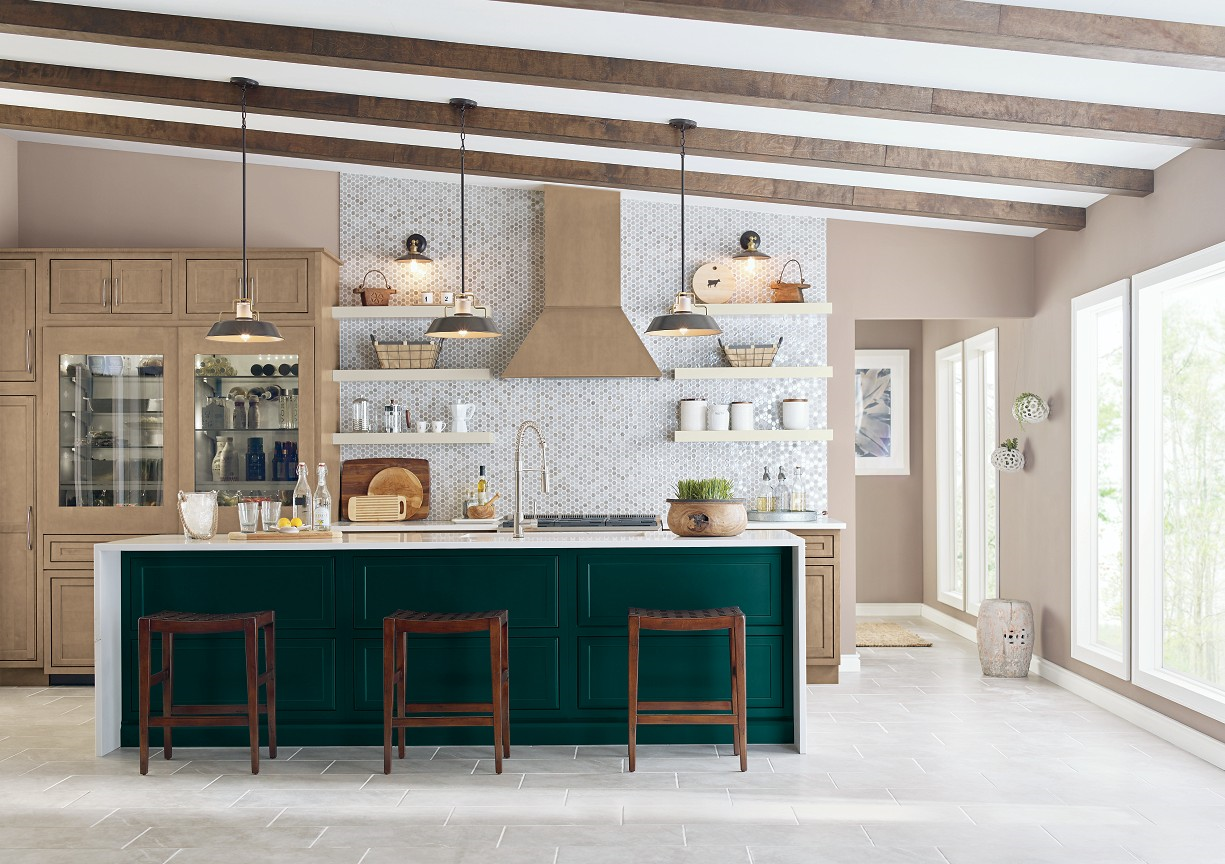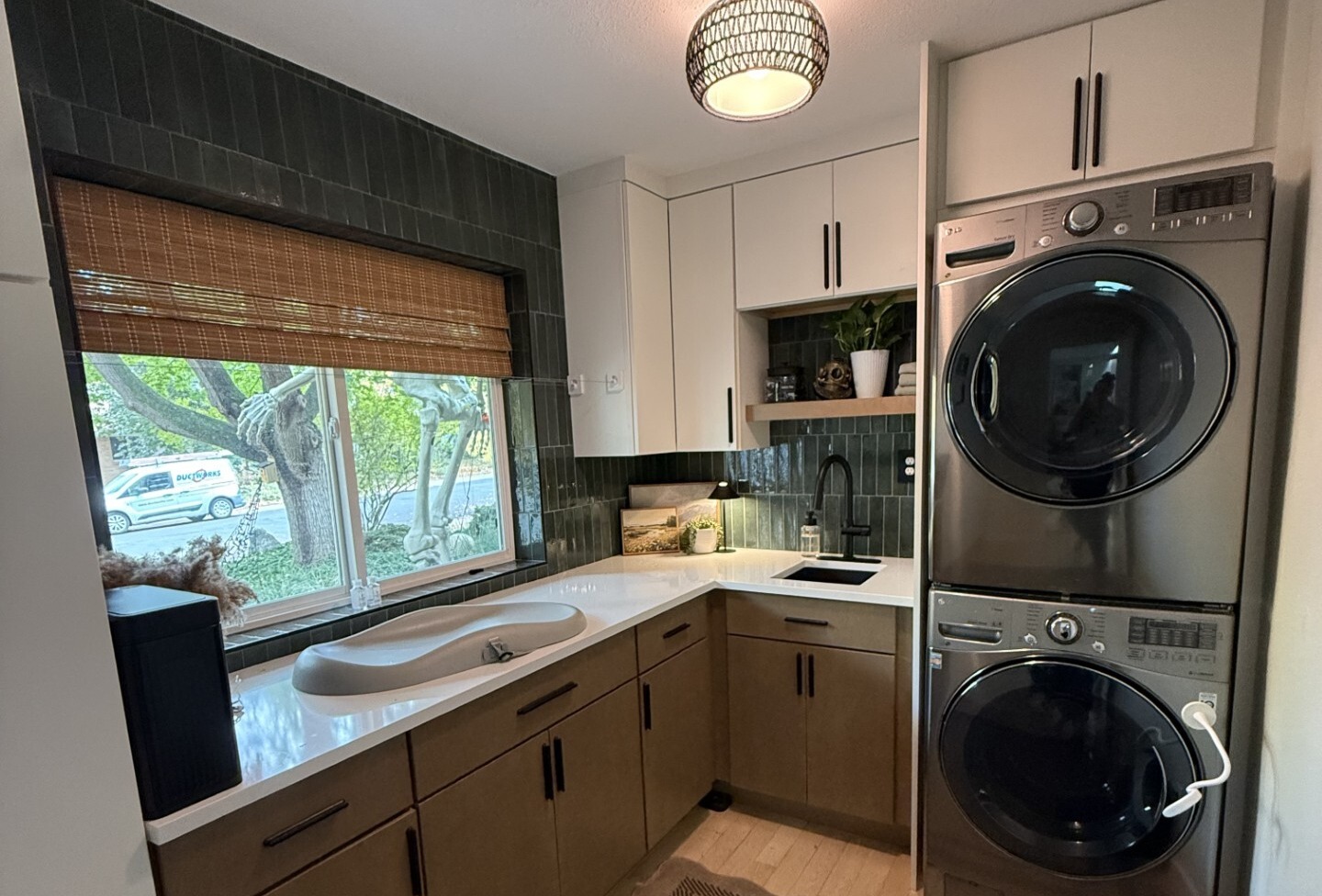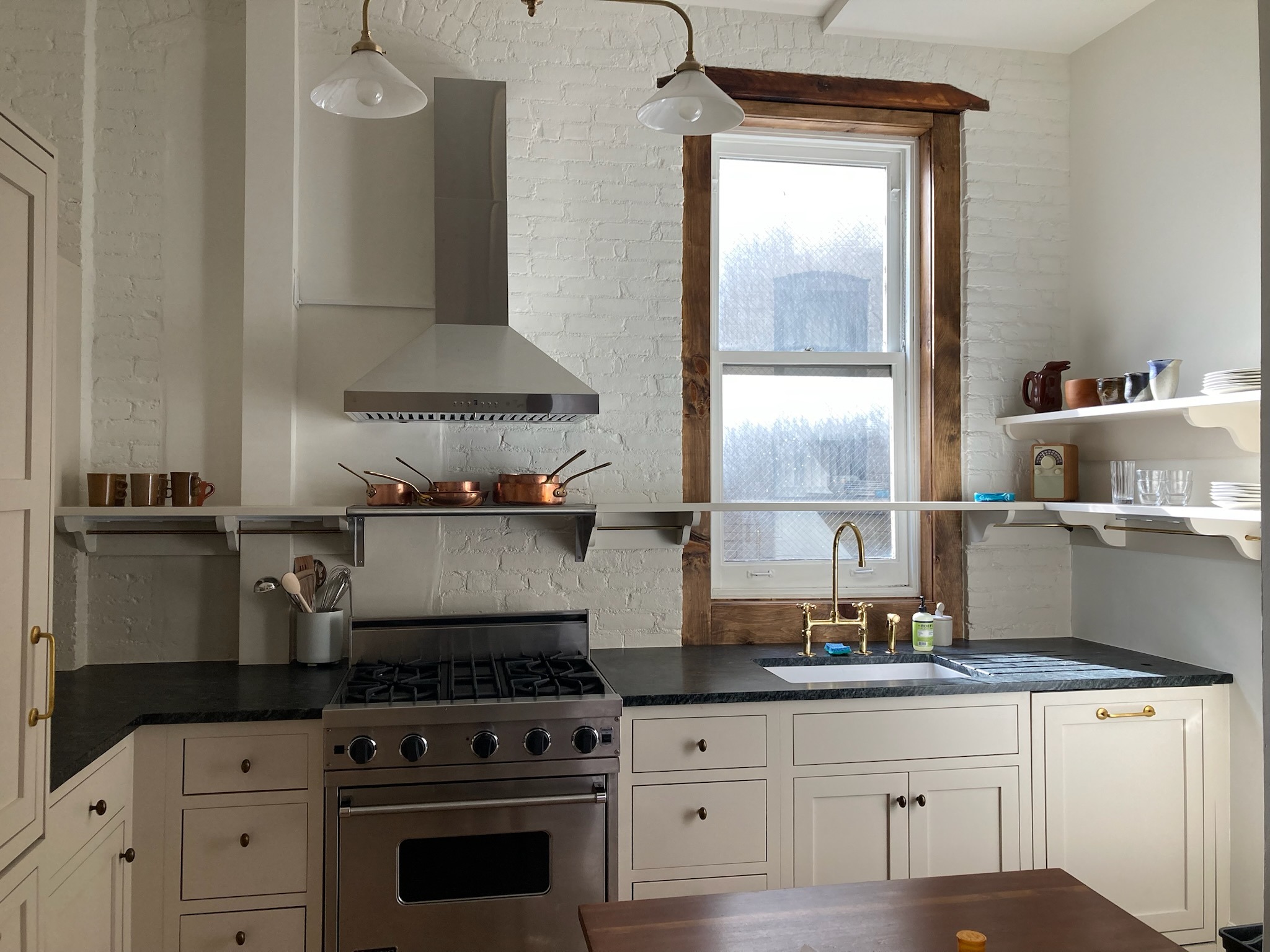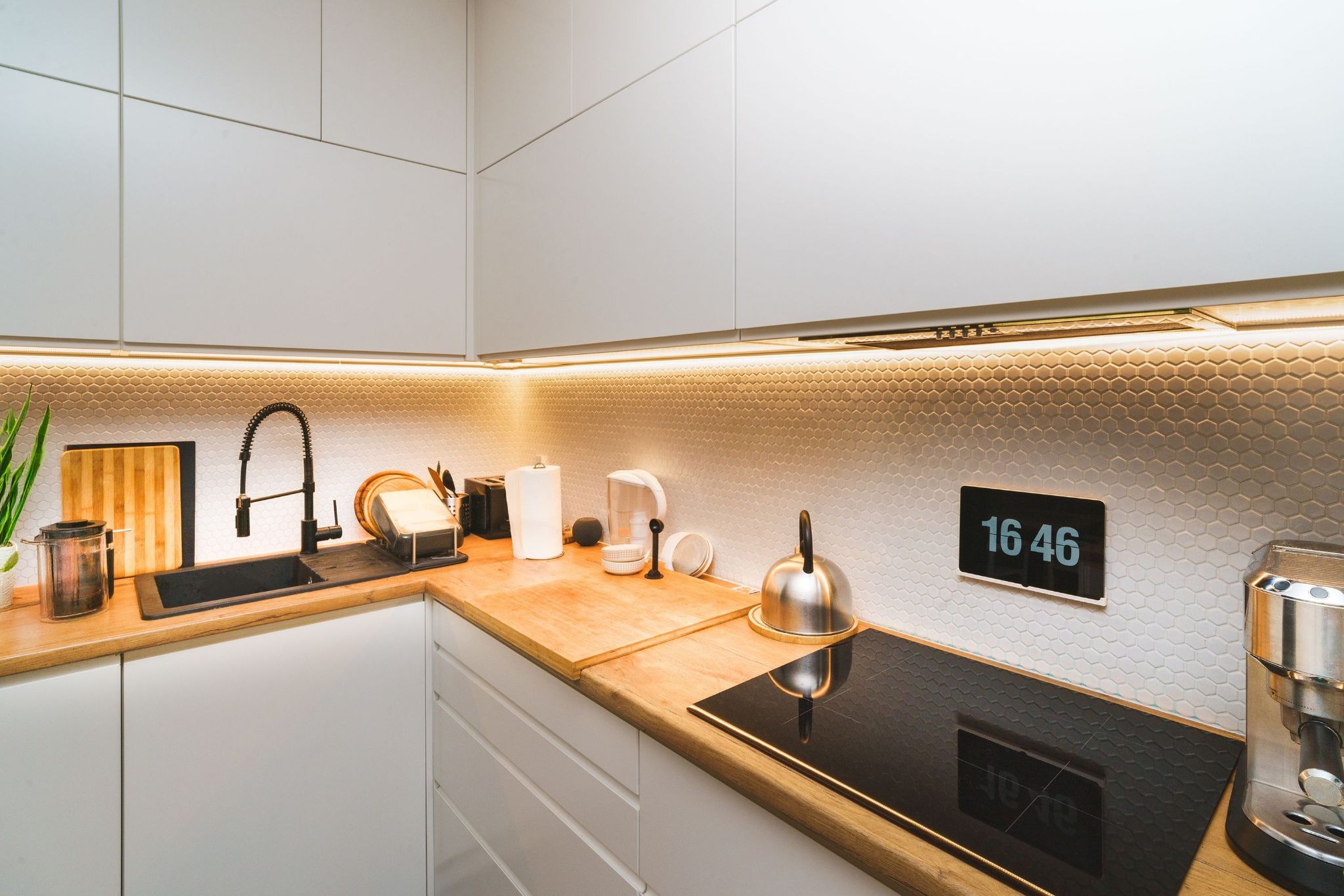
You have a folder of kitchen pics on your phone and a rough idea of the style you want. Then a friend says, “You should really talk to a designer,” and just like that, you feel like you should know a lot more than you do.
Luckily, you don’t have to figure this all out before finding a kitchen designer. You may not need a designer at all. Here’s how to tell if you need one.
A kitchen designer helps most when you’re changing the layout, ordering custom cabinets, or feeling unsure about measurements and storage. If you’re swapping cabinets in the same layout, you may be able to skip one, especially if your cabinet company offers their own design support.
Let’s look at what a designer does, so you can decide for yourself if you want to consult with one.
What Does a Kitchen Designer Do?
A kitchen designer turns your kitchen wish list into a plan that works in your current space. That usually means:
- Planning the layout, including where the cabinets, appliances, and sink go
- Choosing cabinet sizes, styles, and finishes
- Adding practical storage for the way you cook
- Checking clearances, like making sure a fridge door can fully open
- Creating drawings or a 3D rendering so you can see the kitchen before you order
It’s far easier to fix a problem on a drawing than after the cabinets arrive. Our post on why kitchen cabinet mistakes happen reveals why a design review is so important.
Not every designer works the same way. Here’s a quick look at who you might work with:
| Type of designer: | Often a good fit when: | Ask about: |
| Independent kitchen designer | You’re planning a full remodel with many moving parts | What they charge and what’s included |
| Showroom designer | You want to see materials in person | Whether they favor certain brands |
| Cabinet company designer | Your project centers on cabinets | Whether a deposit applies and whether you get a 3D rendering |
| Architect or contractor | You’re making structural changes | Who plans the cabinet layout in detail |
When You Probably Need a Kitchen Designer
Consider getting kitchen design help if any of these sound like you:
- You’re changing the layout. Moving the sink, adding an island, or removing a wall changes how everything fits together.
- You’re ordering custom or inset cabinets. More choices means more details to get right. Inset doors sit inside the cabinet frame, so the fit matters. You can see the look in our iStyle Custom Inset by Starmark cabinets.
- Your kitchen has tricky spots, such as corners, windows, beams, uneven floors, or a small footprint.
- You’re ordering from home. Without a showroom visit, drawings and renderings are how you see the kitchen before it’s built.
- You feel totally stuck. If you’ve hit a wall and the options are overwhelming, a designer can narrow them down.
Even with an architect on the project, an extra set of designer eyes can make a difference. In a Google review, a homeowner said the iCabinetry team “identified issues with the design our architect had not thought about and proposed solid solutions.”
Not sure how to choose a cabinet layout? That’s a good moment to ask for help. Our guide to kitchen design layouts covers the basics.
When You Can Probably Skip a Kitchen Designer
You may be fine on your own if:
- You’re replacing cabinets in the same layout
- Your kitchen has a simple shape, like a single wall, a galley, or a small L
- You’re comfortable measuring (our guide to measuring your kitchen before ordering cabinets walks you through it)
- You’re very clear on the style and finish you want
Even then, get a second set of eyes before you order. A quick design review from a kitchen pro can catch a wrong cabinet size or an appliance that doesn’t fit. Our list of kitchen remodeling mistakes to avoid shows what to double-check.
🛠️ Pro Insight: Skipping a designer doesn’t mean you should skip the review. Check every measurement and cabinet size on your quote before you approve it.
A Quick Check
Still not sure if you should consult with a designer? Use these four questions for a quick check:
- Will I move the sink, a major appliance, or a wall?
- Am I ordering custom or inset cabinets?
- Am I unsure about my measurements or my storage needs?
- Will I be ordering without visiting a showroom?
If you answer yes to two or more, design help is probably a good idea. If you answer no to all four, you might be fine on your own, as long as someone reviews your plan before you order.
Get Design Support From Your Cabinet Company
If you’re buying cabinets, the company selling them can actually be a great source of design help.
Here’s how it works at iCabinetry Direct.
- Pick your cabinet line. Browse our cabinet lines, each with lineal foot pricing for early budgeting.
- Request a quote. Share your rough measurements, photos, appliance locations, and budget range.
- Review your design and quote. You’ll see your itemized quote and specs, and you can confirm the design through a 3D rendering or design review.
- Approve and order. You sign off with a secure e-signature. Most cabinet lines deliver in 4–8 weeks, and cabinets arrive assembled. We accept major credit cards and offer financing, so you can plan your budget before you approve an order.
You can do all of this remotely, so you don’t even need to visit a showroom. Design services might require a deposit, so ask the iCabinetry team what’s included when you start.
If you want a deeper look at this process, see how it works here.
What If You Already Have a Contractor or Architect?
That’s a good start. Many contractors and architects plan the big picture, like walls and plumbing.
Cabinet details, like exact sizes, door swings, fillers, and storage, can be the last things figured out.
A cabinet designer can check those details against your plan before you order. Share your drawings with them, and ask your contractor to confirm the measurements too.
How to Choose a Kitchen Designer
Whether you hire an independent designer or work with a cabinet company, look for these six signs:
- They listen first. A good designer asks how you cook and what frustrates you about your kitchen before sketching anything.
- They show similar projects. Ask to see kitchens like yours.
- They explain what’s included. Design fees, revisions, renderings, and deposits should all be clear upfront.
- They give a clear timeline. You should know how long design takes and when to expect your cabinets.
- Their reviews are specific. Look for details about the process, not just “great service.” Our kitchen cabinet buying guide explains how to read reviews.
- They never rush you. A good designer is happy to let you think it over.
Questions to Ask at Your First Meeting
Keep it simple. These five cover the essentials:
- What does your design process include, and is there a fee or deposit?
- Will I see drawings or a 3D rendering before I order?
- How many revisions are included?
- How long will design take, and how long until the cabinets arrive?
- What would you change about my layout?
For more, see our full list of questions to ask your kitchen cabinet designer.
How Much Do You Need to Know Before You Meet?
You need to know less than you think. Bring four things:
- A rough budget range
- Rough measurements of your kitchen
- A few photos of styles you like
- Your top priorities
That’s enough to start. You don’t need exact measurements or a final cabinet style; your designer helps sort out the rest. Our guide to preparing for a kitchen design consultation has a longer checklist if you want one.
Ready to Talk Through Your Layout?
You don’t need every detail figured out before you reach out. Share your rough measurements and ideas, and the iCabinetry team will help you find the right cabinet line and walk you through the next steps.
FAQs: Do You Need a Kitchen Designer?
A kitchen designer helps most when you’re changing the layout, ordering custom cabinets, or feeling unsure about measurements and storage. If you’re swapping cabinets in the same layout, you may be able to skip one, especially if your cabinet company offers its own design support, like iCabinetry does.
It depends on how much you’re changing. For a full remodel with layout changes, a designer is a big help. For a like-for-like cabinet swap, careful measuring and a design review from your cabinet company might be enough.
Look for someone who listens first, shows similar projects, explains what’s included, and doesn’t rush you. Specific customer reviews help too.
A kitchen designer plans the whole room, including layout, finishes, and lighting. A cabinet designer focuses on the cabinets: sizes, styles, storage, and how they fit your space. Many cabinet companies offer cabinet design as part of the buying process.
Yes, if your layout is simple and you measure carefully. Have someone review your plan before you order, since mistakes are easier to fix on paper than after delivery.