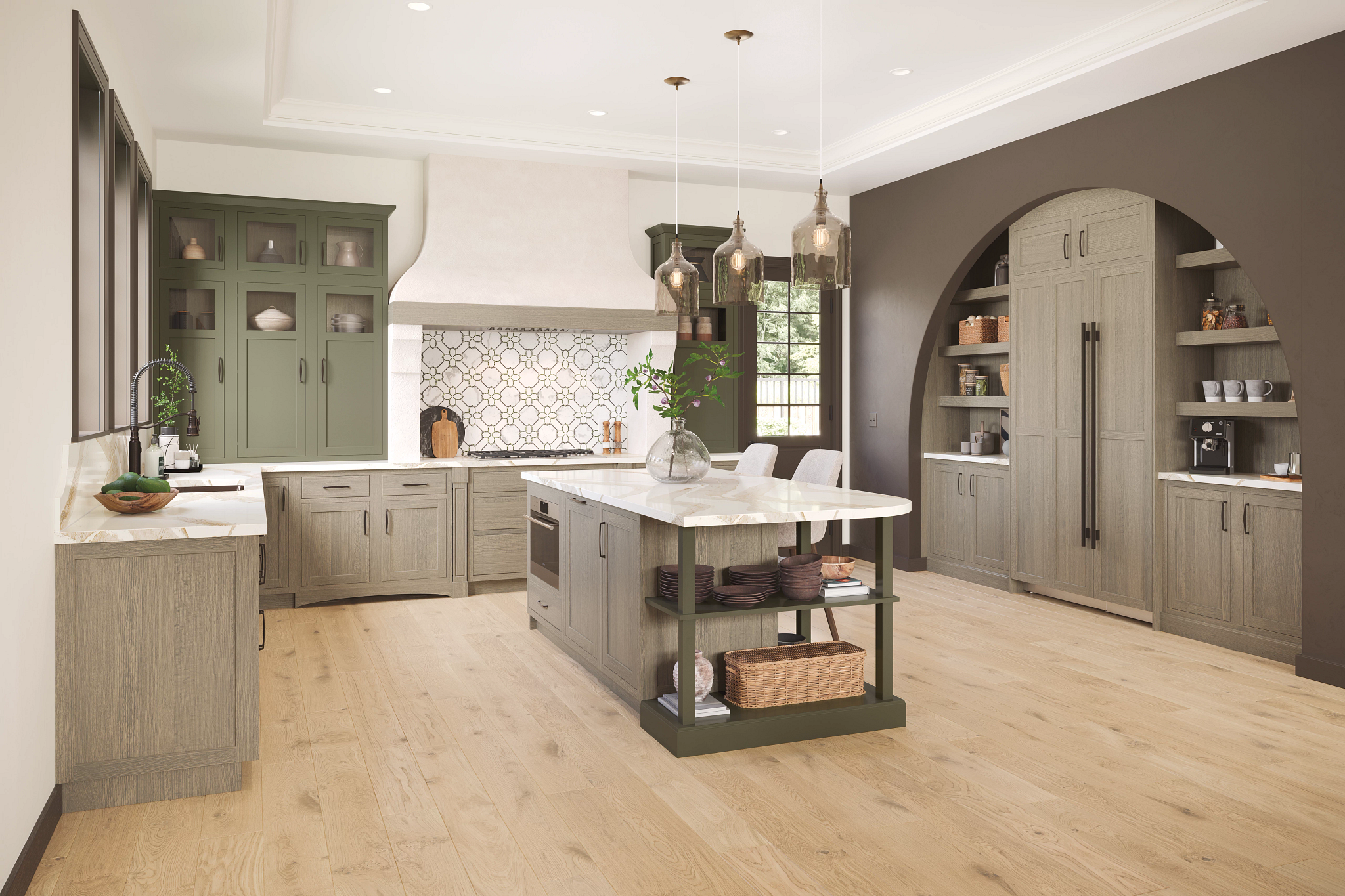
If a kitchen remodel doesn’t go smoothly, it’s usually not because of bad design. It’s because the very first consultation wasn’t clear.
You show up to the meeting with conflicting ideas, a loose budget, or dozens of design inspirations you found online… and suddenly the process slows down, decisions get harder, and costs continue to creep up.
To prepare for a kitchen design consultation, come in with a clear budget, a few focused inspiration references, basic measurements of your current space, and a strong sense of how you use your kitchen every day. That way, your designer can create a plan that fits your layout, lifestyle, and timeline from the start.
If you get this part right, everything that comes next will be faster, smoother, and intentional with no unexpected financial surprises.
Step 1: Set a Realistic Budget (Before the First Meeting)
Before your initial meeting with a kitchen designer, you need a number—even if it’s a range.
Not because anyone expects you to have it perfectly figured out, but because your budget shapes every decision that follows.
A kitchen remodel is more than just cabinets. Your total cost typically includes:
- Cabinets
- Countertop materials
- Appliances
- Lighting
- Flooring
- Installation and labor
- Potential plumbing or electrical updates
Without a clear budget, your designer is guessing. And that usually leads to a plan that either overshoots, or has to be scaled back later. Working with a team that offers expert kitchen design support early on can help you understand what’s realistic before you invest time into a plan that needs to be reworked later.
A defined budget helps:
- Save time during the design process
- Avoid designs that can’t realistically be executed
- Prioritize where to invest (and where to simplify)
The clearer you are here, the more efficient the entire project becomes.
Step 2: Think About How Your Kitchen Works
Most people come in focused on how they want their kitchen to look. What matters just as much, if not more, is how it needs to function.
Before your kitchen design consultation, take a step back and think about your daily life:
- Do you cook often, or just occasionally?
- Are multiple people using the kitchen at once?
- Where do things currently feel cramped or inefficient?
- Do you need more storage, better flow, or clearer prep zones?
This is where strong kitchen planning begins.
Your designer will shape how your kitchen layout supports your routines, your family, and your space on a daily basis.
A beautiful kitchen that doesn’t function well will always fall short.
Step 3: Gather Inspiration—But Keep It Focused
Inspiration is helpful, but too much of it can actually slow things down.
Instead of bringing all the ideas, choose a clear direction.
Create a simple Pinterest board or photo library with:
- Cabinet styles you’re drawn to
- Color palettes (greens, wood tones, painted finishes)
- Layout ideas or similar projects
- Design elements like hardware, lighting, or open shelving
Focus on design patterns, not one-off images.
For example, if everything you saved has warm wood tones, soft neutrals, and clean lines, that gives your designer a very good idea of what your vision is.
If you’re leaning toward natural wood finishes, it can also help to explore options like walnut kitchen cabinets to understand which materials and price points are right for your kitchen.
Step 4: Measure Your Current Space
You don’t need a perfect floor plan—but you do need a starting point.
Before your design consultation, take rough measurements of your space:
- Wall lengths
- Ceiling height
- Window and door placement
- Appliance locations
- Existing cabinet layout
These don’t have to be exact.
But without them, your kitchen designer is working in hypotheticals.
With them, they can start shaping a plan immediately.
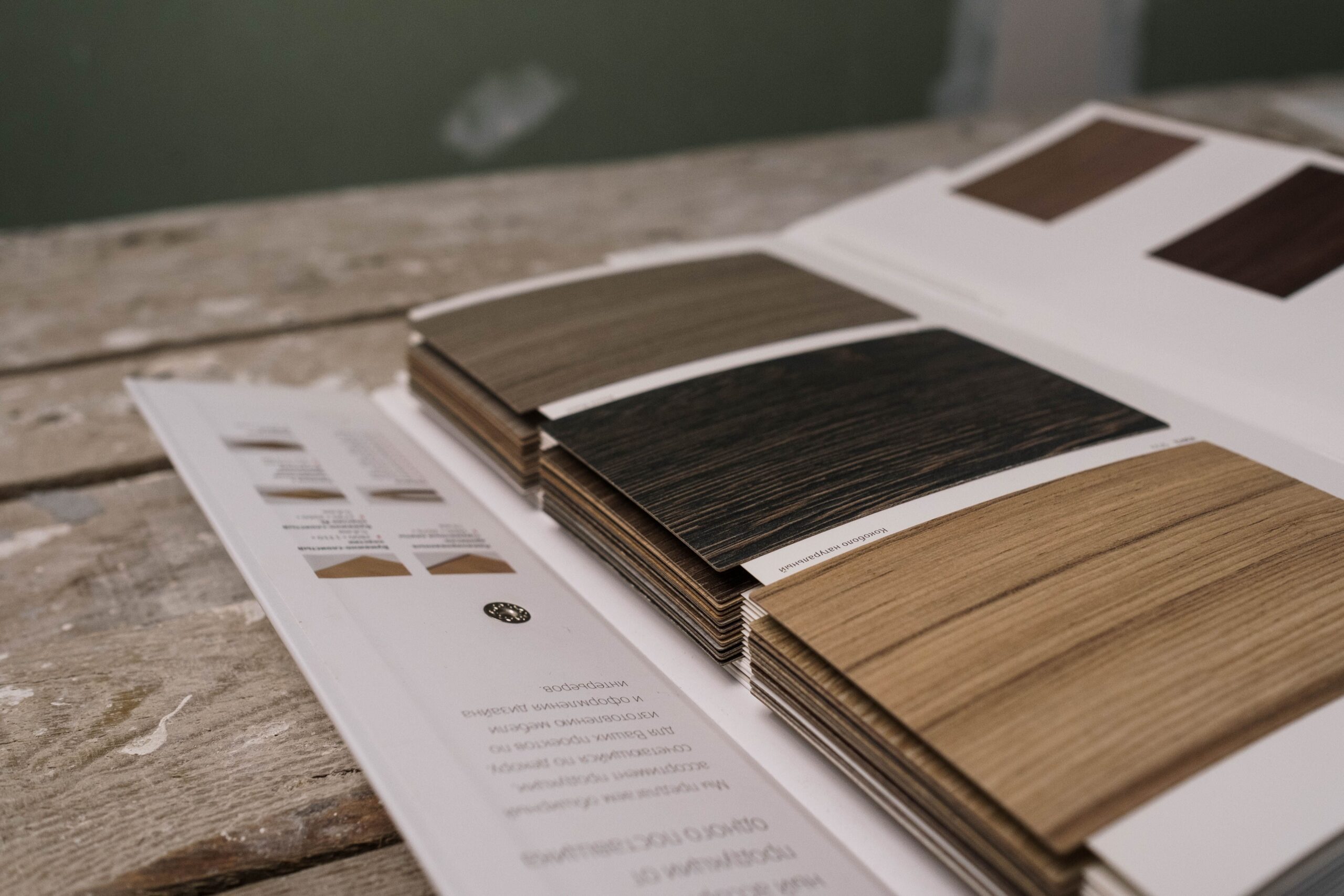
Step 5: Bring Material and Finish References
Photos show intent, but materials show reality.
If possible, bring samples of:
- Countertops
- Flooring
- Cabinet finishes
- Hardware
- Paint colors
Lighting, texture, and undertones can completely change how things look together. Seeing materials side by side helps your designer avoid mismatched finishes and recommend better combinations early.
If you’re still narrowing down finishes, you can request cabinet samples to see how colors, textures, and materials look in your actual space before making final decisions.
Step 6: Create a Wish List (and Set Priorities)
Every dream kitchen starts with a wish list, but not everything will make it into the final plan.
Break your list into “must-have” features, and “nice-to-have” upgrades.
This might include:
- More storage solutions
- A larger island
- Specific appliances
- Upper cabinets vs open shelving
- Preferred countertop materials
Small details can make a big difference here, especially hardware. Looking at the latest kitchen cabinet hardware trends can help you refine your style without changing your entire design.
This step helps your designer achieve what matters to you most, within your budget.
Step 7: Prepare Questions That Move the Project Forward
A design consultation is great for sharing ideas, but it’s mostly meant for finding clarity.
Come prepared with questions like:
- What does the full design process look like?
- What is the expected project timeline?
- Are there any hidden costs to plan for?
- How flexible is the budget as the plan develops?
- What layout or storage improvements would you recommend?
This turns your first meeting into a working session, not just a conversation.
🛠️ Pro Insight: The more specific your questions are during the first meeting, the fewer revisions you’ll need later in the design process.
Understand the Timeline Before You Commit
Kitchen remodels don’t happen overnight, and knowing that upfront will keep stress at bay.
During your consultation, you’ll likely discuss:
- Cabinet lead times
- Material availability
- Installation scheduling
- Potential delays
Setting realistic expectations early helps you avoid frustration later, and keeps your project moving.
Choose the Right Kitchen Designer
Not all design services are created equal.
Look for a designer who:
- Has experience with similar kitchen remodel projects
- Can show examples of completed work
- Communicates clearly and practically
- Understands both design and execution
Your designer will be creating the layout and guiding you through the entire process, so trust is important here.
Common Mistakes to Avoid Before Your Consultation
A few simple missteps can make the process harder than it needs to be:
- Coming in without a clear budget
- Bringing too many conflicting ideas
- Skipping measurements entirely
- Focusing only on style instead of function
- Not thinking through your daily kitchen use
Avoid these, and your consultation becomes far more productive.
What Happens After the First Kitchen Design Consultation?
After your first meeting, your designer begins turning your input into a structured plan.
This usually includes:
- A refined kitchen layout
- Material and cabinet recommendations
- An estimate based on your project scope
- Early visual direction for your new space
From there, the design process becomes more detailed, leading toward a final plan that’s ready to build.
Start Your Kitchen Design Consultation With Confidence
Preparing for your kitchen design consultation isn’t about having every single detail decided. It’s about having a clear direction for your kitchen vision.
When your budget, ideas, and priorities are aligned, your designer can create something that actually works for your space, lifestyle, and long-term goals.
And when you’re ready to bring that plan to life? You can shop kitchen cabinets by style, finish, and budget to find options that fit your design, timeline, and budget.
FAQs about Preparing for a Kitchen Design Consultation
What should I bring to a kitchen design consultation?
Bring your budget range, inspiration photos or a Pinterest board, rough measurements, material samples if possible, and a list of must-have features.
Do I need measurements before meeting a kitchen designer?
You don’t need exact measurements, but having rough dimensions of your current space helps your designer create a more accurate plan.
How long does a kitchen design consultation usually take?
Most consultations last between 60–90 minutes, depending on the scope of your project.
Should I choose cabinet styles before the consultation?
No, you just need a general sense of style. Your designer will help refine your choices during the design process.
Can a designer work within a fixed budget?
Yes. Being upfront about your budget allows them to create a realistic and achievable plan.
How detailed should my inspiration be before the meeting?
Focus on clarity over quantity. A few cohesive ideas are more helpful than dozens of unrelated ones.
What happens after the first kitchen design consultation?
Your designer will begin developing a layout, recommending materials, and shaping a plan that fits your goals and project timeline.