Let’s face it: hinges probably aren’t the first thing on your mind when shopping for new cabinets. It’s more fun to think about door styles, colors, and clever storage solutions. But eventually, you’ll need to figure out which hinges to buy.
The best hinges for frameless cabinets are usually concealed European-style hinges. They attach to the inside of the cabinet and the back of the door, keeping the hardware hidden when the doors are closed. But the best hinge type for your project depends on your door’s overlay measurement and the hinge’s compatibility with your cabinet system.
Frameless cabinets are known for their clean, modern look—the right hinges help preserve that sleek appearance. Here’s what to know before choosing your cabinets.
What Are Frameless Cabinets?
Frameless cabinets are built without the traditional face frame found on most standard cabinets. Instead, the doors attach directly to the cabinet box. This gives the cabinets a clean look with fewer visible breaks between cabinet fronts.
Frameless cabinets are popular in modern and European-style kitchens, where simple lines and efficient use of space are priorities.
Because there’s no face frame, the hinges must be designed to attach to the cabinet sides. That’s why it’s important to look for hinges made for frameless cabinets when choosing or replacing your hardware.
What Hinges Work Best for Frameless Cabinets?
Concealed European-style hinges are a go-to choice for frameless cabinets. They’re hidden when the doors are closed and come with features that make everyday kitchen use easier.
Here are a few benefits to look for:
- A clean look: Hidden hinges keep the focus on your cabinet doors and finishes.
- Adjustability: Many models let you make small adjustments to help doors line up evenly.
- Soft-close options: Some hinges slow the door as it closes, helping prevent slamming.
- Overlay configuration: Concealed hinges are designed for full overlay doors, which is the standard (and only) configuration on frameless cabinets.
Not every hinge works with every cabinet, though. Before ordering, confirm that the hinge matches your cabinet construction and door style and meets the manufacturer’s specifications.
Full Overlay: The Standard for Frameless Cabinets
Full overlay doors cover most of the cabinet box’s front edges when closed. This creates a continuous look across the cabinet fronts, which is the standard door configuration for frameless cabinets.
Concealed European-style hinges are the go-to hardware for this configuration. Just make sure the hinge matches your door thickness, overlay measurement, and cabinet system.
What About an Inset Look?
True inset doors sit inside the cabinet opening, flush with the surrounding face frame. Because of this, inset is only available on framed cabinets, not frameless.
If you love that flush, minimal-gap look but want to keep frameless construction, ask your cabinet supplier about panel detailing or tighter reveals designed to mimic the look. It won’t technically be inset, but it gets you close.
🛠️ Pro Tip: Are you getting framed inset cabinets instead? Here’s how to choose between concealed and finial hinges.
What Features Should You Look For?
Once you’ve confirmed that a hinge is compatible with your cabinets, consider how you want your doors to work.
Soft-Close
Soft-close hinges slow the door as it closes, helping prevent it from slamming. This can make a busy kitchen quieter and more comfortable to use.
Some hinges have soft-close mechanisms built in, while others use different closing systems. Check what’s included with your chosen cabinets.
Adjustability
Many European-style hinges allow small adjustments to help keep cabinet doors straight and evenly spaced. The amount of adjustment depends on the hinge model.
Opening Angle
Some hinges allow doors to open wider than others. Consider your kitchen layout, nearby walls, and how easily you need to access the inside of each cabinet.
Compatibility
The hinge must suit the door’s weight and thickness, as well as the cabinet construction. If you’re ordering new cabinets, ask which hinges are included and whether compatible upgrades are available.
Soft-Close vs. Self-Close Hinges: What’s the Difference?
It’s easy to mix up these two types of hinges, but they serve different functions.
- Soft-Close Hinges: These slow the door as it approaches the closed position, helping prevent it from slamming.
- Self-Close Hinges: These help pull the door shut once it reaches a certain point in its swing. Some systems combine self-closing action with soft-close damping.
If you want quieter, gentler closing, look for a compatible soft-close option. If you’d like doors to pull themselves shut, ask about self-closing features.
For more details, read our guide on soft-close vs. self-close hinges.
How Frameless Cabinets Create a Clean, Modern Look
Concealed hinges keep the focus on cabinet doors, finishes, and the overall kitchen design. They’re a natural fit for streamlined styles, including slab doors and simple Shaker designs.
Cabinet pulls, knobs, and finishes also affect the final look. You can explore these popular cabinet hardware ideas for inspiration.
Frameless Cabinets in a Real Kitchen
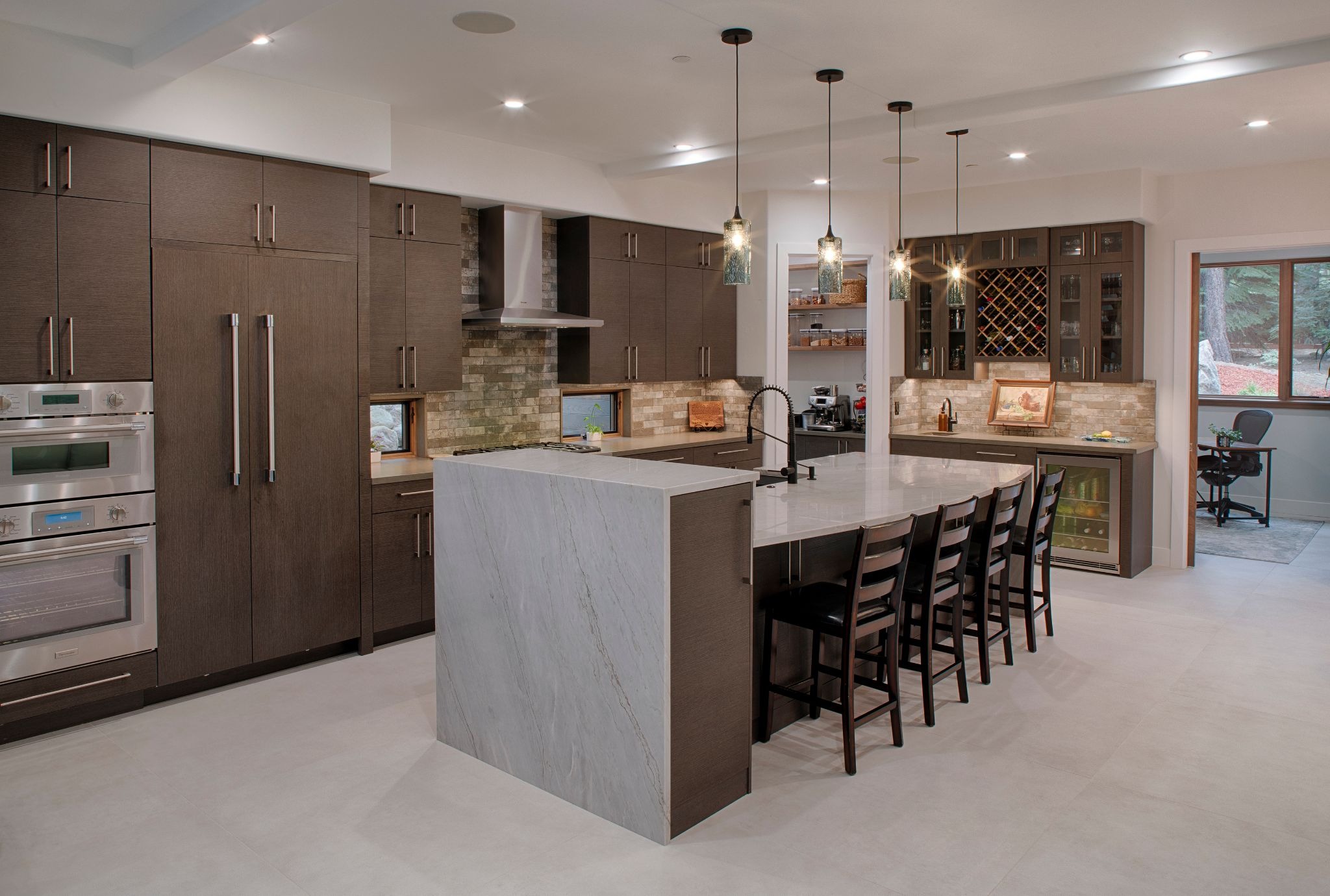
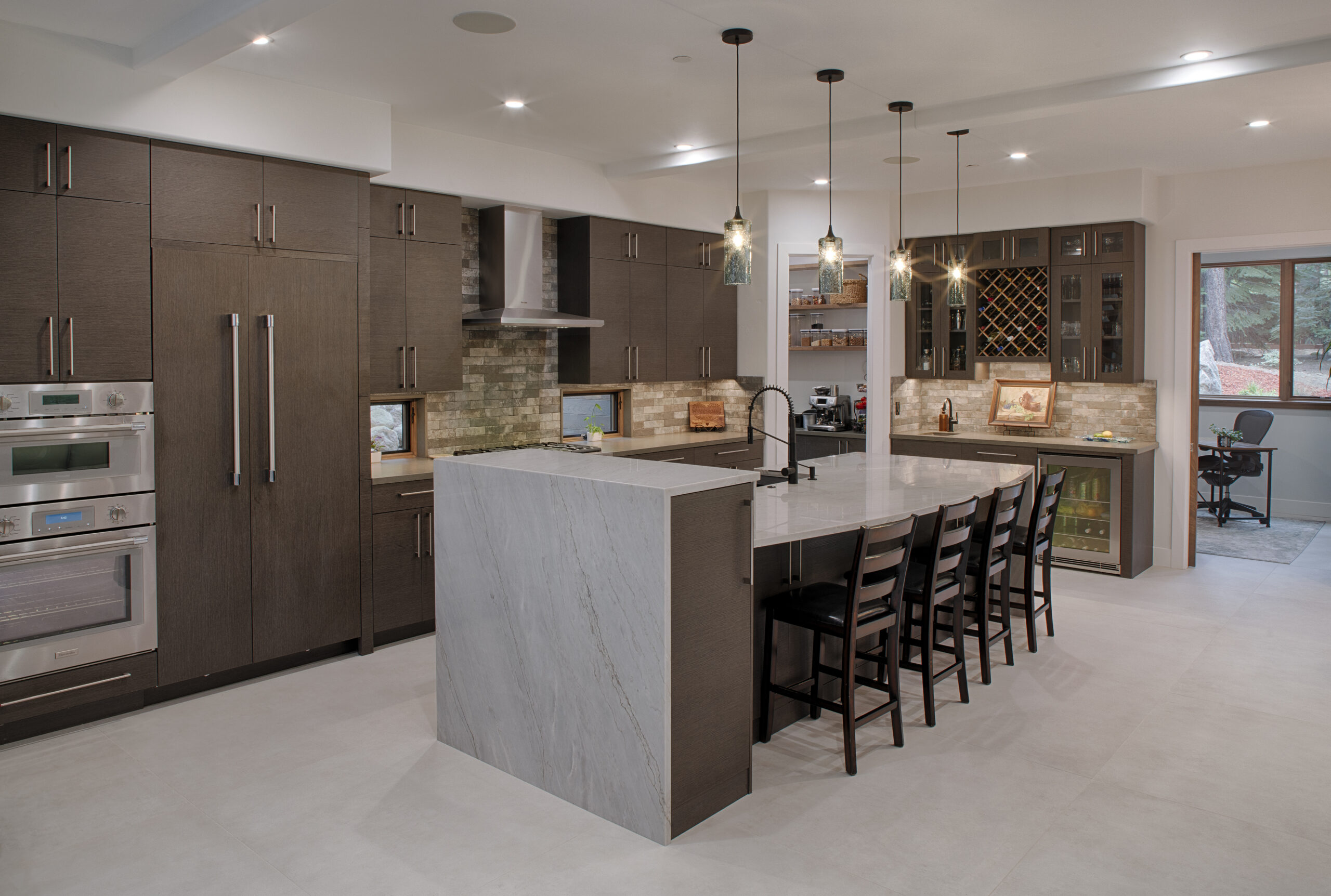
The iEuro Modern Kitchen V project showcases streamlined cabinetry with a clean, modern appearance.
This kitchen features iEuro Custom by Ultracraft, a cabinet line known for its full-access frameless construction and modern European styling.
The photo shows a clean cabinet-front design without visible hinges when the doors are closed.
Looking for a similar look in your own kitchen? Explore the project for inspiration, and browse the available cabinet styles and finishes.
✨ See the iEuro Modern Kitchen V project
🛍️ Explore iEuro Custom by Ultracraft cabinets
How to Choose the Right Hinges for Your Cabinets
Before ordering your cabinets, make sure you know the following:
- Construction: Are the cabinets frameless or face-frame?
- Door style: Are the doors full overlay or inset?
- Closing features: Do you want soft-close or self-close functionality?
- Included hardware: Which hinges come with your cabinets, and are upgrades available?
- Compatibility: Are the hinges suited to your specific doors and cabinet system?
If you’re not sure, ask your cabinet supplier or designer to confirm the details.
FAQs: Frameless cabinet hinges
European-style cabinet hinges are usually concealed, meaning they’re hidden when the doors are closed. The terms are related, but they don’t mean exactly the same thing.
Yes, if the hinge is designed for frameless construction and matches the door’s overlay measurement and other requirements.
Some do. It depends on the hinge model and cabinet system, so check what’s included before ordering.
Neither is automatically better. Frameless cabinets offer a clean, modern appearance and a more open cabinet opening.
Face-frame cabinets suit a wide range of styles, including traditional kitchens. The best choice for you comes down to your design preferences, storage needs, and budget.
Find the Right Cabinets for Your Kitchen
The right hinges help your cabinet doors look good and work smoothly, but choosing the right hardware starts with selecting a cabinet design
If you like the clean look of frameless cabinetry, explore iEuro Custom by Ultracraft to see available styles and finishes.
Ready to plan your kitchen?