You start seeing it everywhere once you’ve looked at enough kitchens.
The bright white ones all blend together a little. They’re perfect at first glance, but hard to recall afterward.
Then you see a wood kitchen.
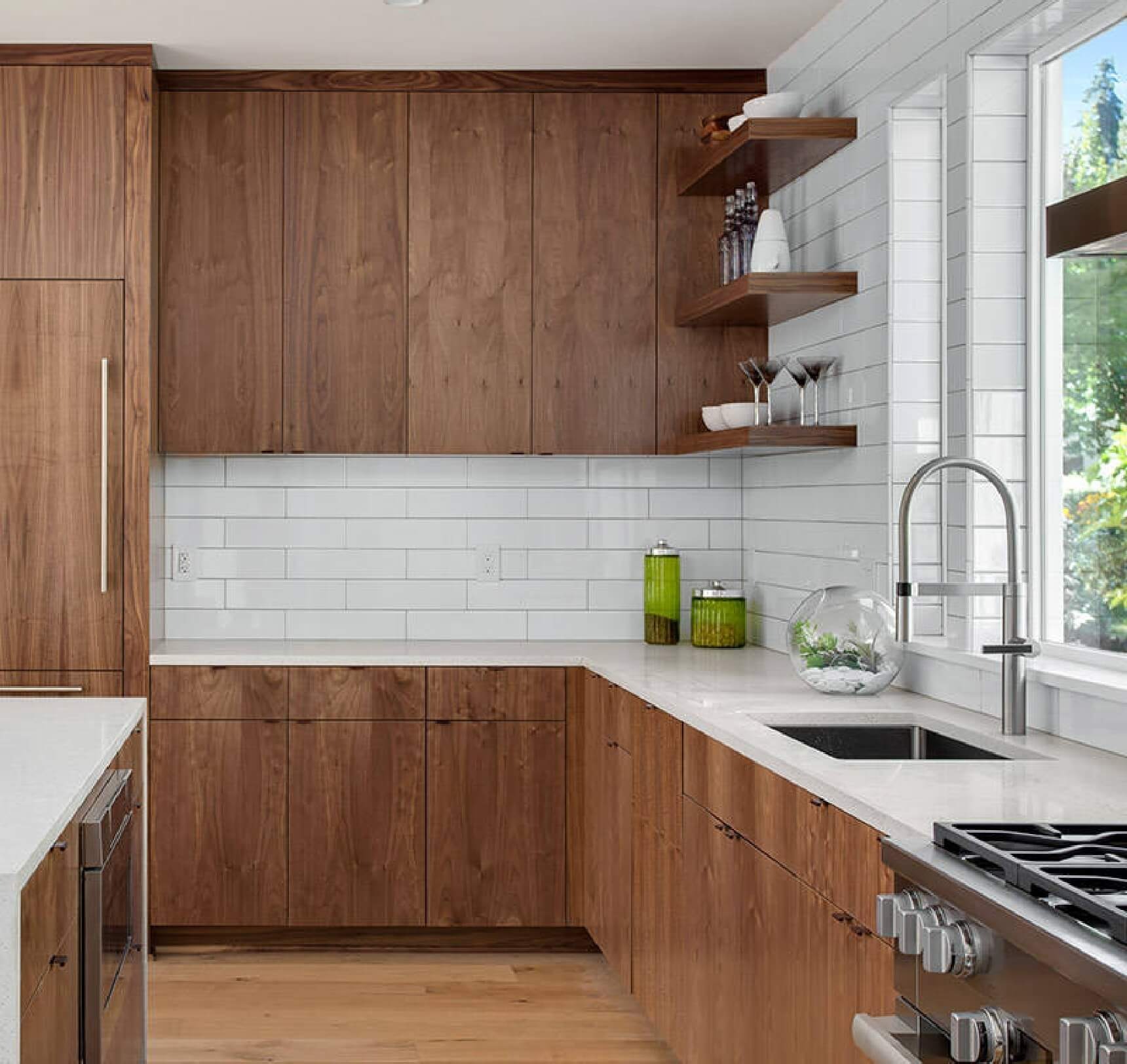
Maybe it’s white oak cabinets with soft, waving grain. Or dark walnut island cabinets that make the whole room feel more dimensional. Whatever it is, the kitchen feels instantly warmer, more lived-in, and less like a showroom trying too hard to impress.
That’s why natural wood kitchen cabinets have taken over modern kitchen design recently. People are craving kitchens that feel clean and timeless—without feeling cold or overly polished.
The only catch? Natural wood cabinetry comes with bigger decisions around cost, maintenance, layout balance, and long-term durability.
Natural wood kitchen cabinets are beloved for their warmth, durability, and timeless character. Real wood cabinetry can be stunning in both modern and traditional kitchens—but pricing varies based on wood species, construction quality, finishes, and customization level. Natural wood cabinets are usually worth the investment for homeowners who want cabinets that last long-term, with natural texture and an overall look that feels truly authentic and warm.
Remember, while wood cabinetry can completely transform a kitchen, the wrong wood tone, layout, or finish can also make a space feel darker, heavier, or more high-maintenance than expected.
This guide will help you figure out whether natural wood cabinets actually make sense for your kitchen, your budget, and the way you live.
What Defines Natural Wood Kitchen Cabinets?
One of the biggest misconceptions you might run into during a kitchen remodel is thinking all “wood cabinets” are built the same. They’re not!
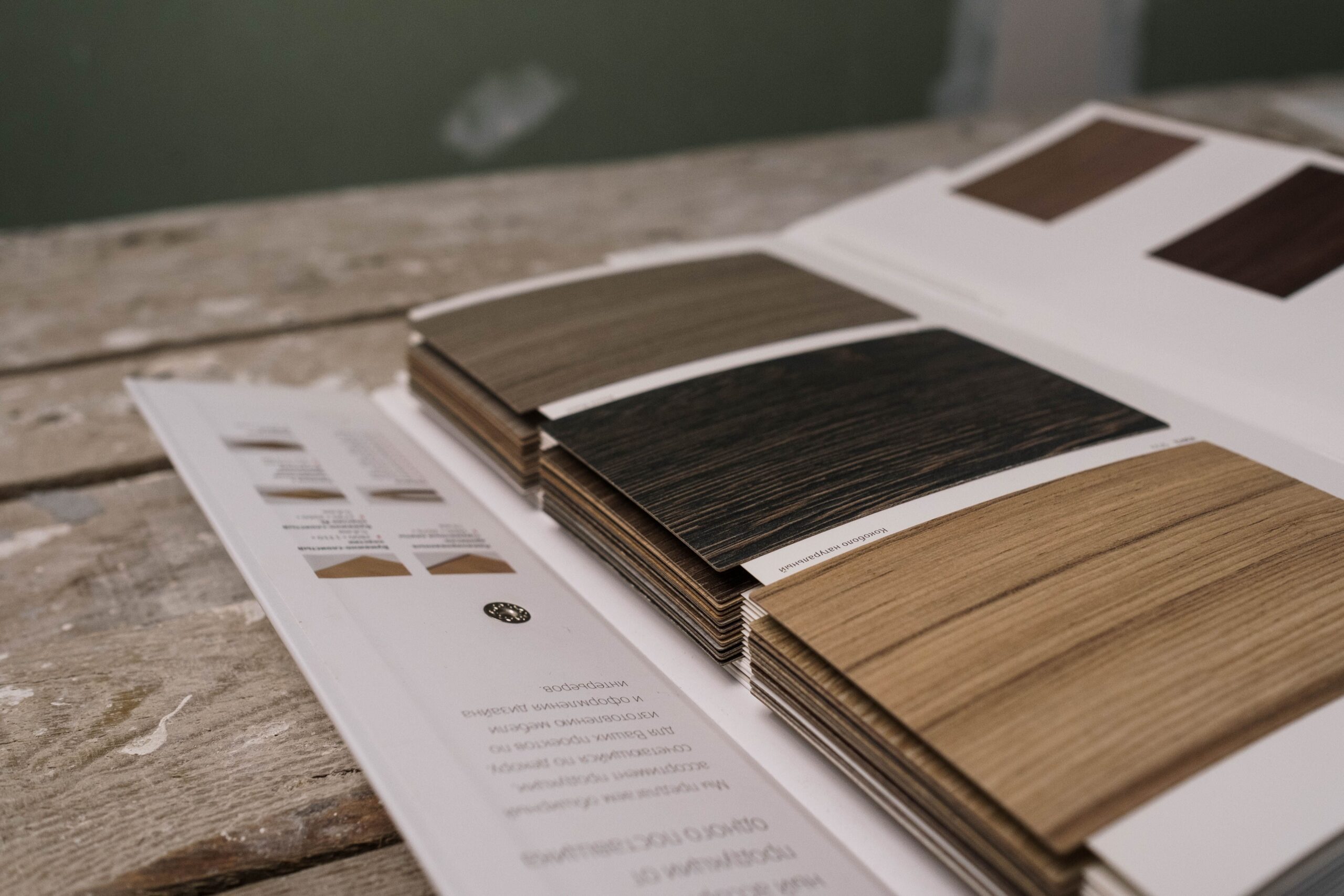
Some natural wood kitchen cabinets use solid wood doors and drawer fronts paired with plywood cabinet boxes. Others use real wood veneers over engineered materials. And some cabinets mimic wood grain using laminate or printed finishes designed to look like natural wood.
That distinction directly affects:
- durability
- price
- long-term appearance
- refinishing potential
- and overall cabinet feel in real life
Real natural wood cabinets usually feature visible grain variation, more depth in the finish, and a texture that changes slightly depending on lighting throughout the day.
Wood-look alternatives can still work well for lower budgets or rental properties, but they tend to feel flatter and less dimensional in person.
Real wood cabinetry tends to develop character as it ages. Lower-quality synthetic finishes often just show wear.
🛠️ Pro Insight: If warmth and texture are the main reason you’re drawn to wood kitchens, real wood cabinetry usually delivers a noticeably richer result than wood-look alternatives once installed in the home.
If you’re still comparing cabinet materials, Solid Wood vs. MDF Cabinets is one of the best places to start before narrowing down cabinet styles or finishes.
Cost Considerations for Natural Wood Cabinets
Natural wood kitchen cabinets typically cost more upfront than painted or manufactured alternatives, but the price range is wider than you might expect.
Cost depends on:
- Wood species
- Cabinet construction
- Finish quality
- Door style
- Level of customization
For many homeowners, semi-custom hardwood cabinetry ends up being the sweet spot between durability, design customization, and budget.
That’s one reason lines like iStyle Hardwoods have become so popular.
They offer genuine hardwood construction, a range of modern and traditional styles, and more approachable pricing than fully custom cabinetry, starting around $155 per lineal foot.
If you’re looking for even more customization, collections like iStyle Custom by Starmark and iStyle Custom Inset by Starmark offer expanded wood species, inset options, and more detailed finish customization.
But the bigger question here is: “What will still look good and function well 10–15 years from now?”
That’s where natural wood is worth the investment. Real wood cabinetry ages more gracefully, can often be refinished later, and develops more character over time instead of simply looking worn out.
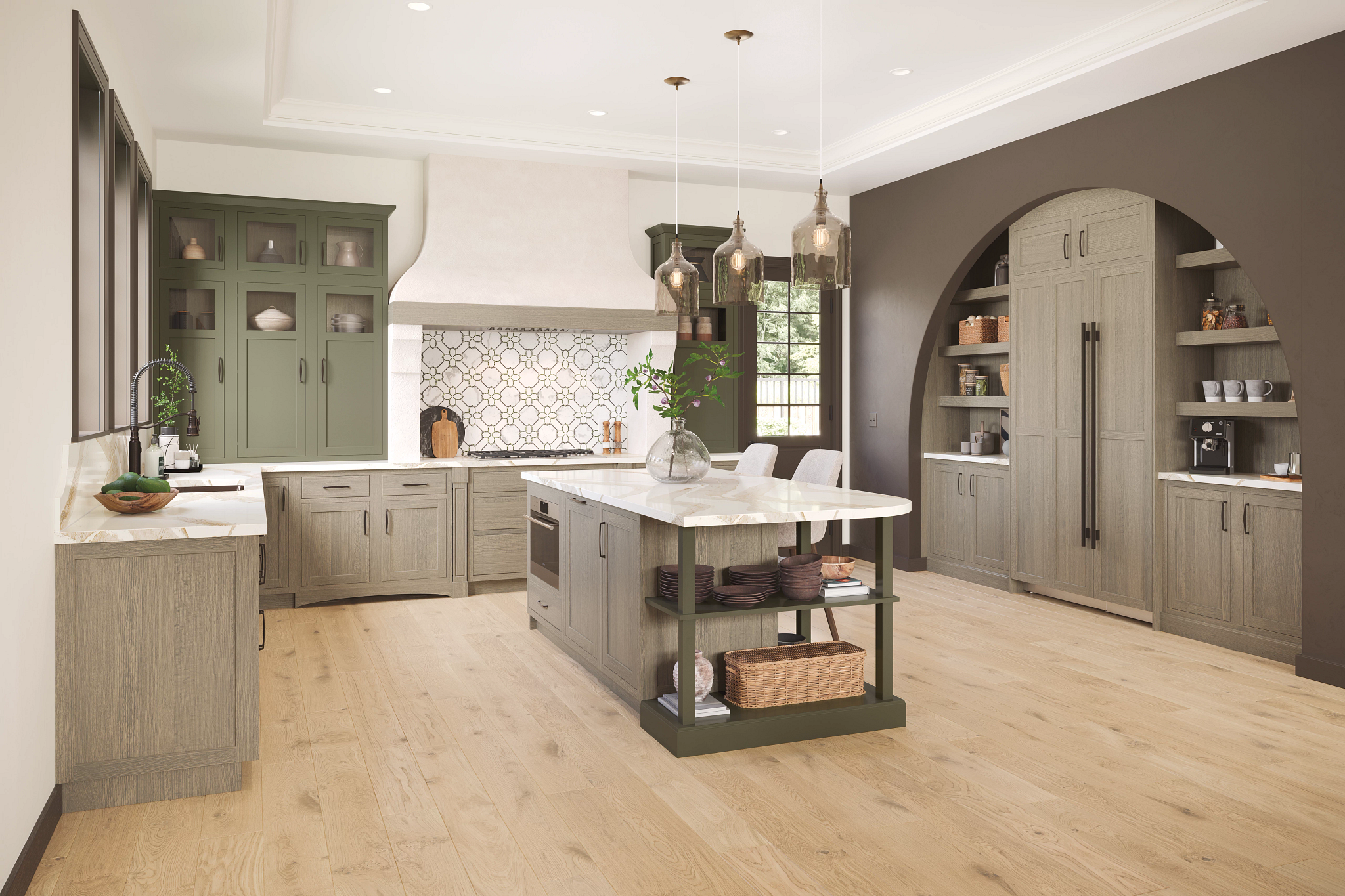
🛠️ Pro Insight: One of the smartest ways to control cost without losing the warmth of a wood-forward kitchen? Mix natural wood strategically. For example, using a stained wood island paired with lighter perimeter cabinets.
👉 Comparing real wood cabinet options? → Shop iStyle Hardwood Cabinets
How Natural Wood Impacts Kitchen Style and Atmosphere
Natural wood changes how a kitchen feels fast. Lighter woods like white oak or maple create softer, calmer kitchens that work beautifully in:
- Organic modern kitchens
- Scandinavian-inspired spaces
- Modern farmhouse designs
- Warmer minimalist layouts
Darker woods like walnut or rich stained cabinets create more contrast and depth, often making kitchens feel moodier, more grounded, or more architectural.
But wood tone is only part of the equation. Grain pattern matters, too.
Heavy grain movement creates more visual texture and energy in the kitchen, while smoother woods feel cleaner and more restrained.
That’s why some natural wood kitchens feel rustic and cozy while others feel sleek and modern, even when they’re using similar cabinet colors.
Wood Cabinets for a Modern Look
Despite what many homeowners assume, wood cabinets absolutely can work in modern kitchens, especially in styles like white oak cabinetry.
The key to achieving a modern wood look is restraint. Cleaner cabinet profiles, slab or shaker cabinets, minimal cabinet hardware, and balanced material palettes create the most timeless results.
Pairing natural wood with lighter countertops, softer backsplashes, and open space around windows also helps keep the kitchen feeling fresh instead of overly heavy.
One mistake that’s easy to slip into is trying to make everything the statement piece at once. Like dramatic wood grain, busy marble countertops, and bold backsplash tile all at once.
That combination quickly becomes visually exhausting.
Focus on using only one type of wood feature, and allowing the cabinetry itself to anchor the room while keeping the surrounding hardware stay simpler.
If you want to achieve a modern wood kitchen with a minimalist feel, here are a few ideas to get you started, including the best natural wood finishes.
Layout and Design Tips for Wood-Forward Kitchens
A wood-forward kitchen truly shines when the layout supports the visual weight of the cabinetry.
Unlike white cabinets, natural wood naturally draws more attention. It becomes one of the dominant features in the room almost immediately.
That’s why balance matters so much here.
- In smaller, darker kitchens, darker stained cabinets can sometimes make the room feel closed in. In this case, try lighter woods like white oak or maple—these keep smaller kitchens feeling more open and breathable.
- In larger, more open kitchens, darker woods often work beautifully because the space can handle more visual depth without feeling crowded.
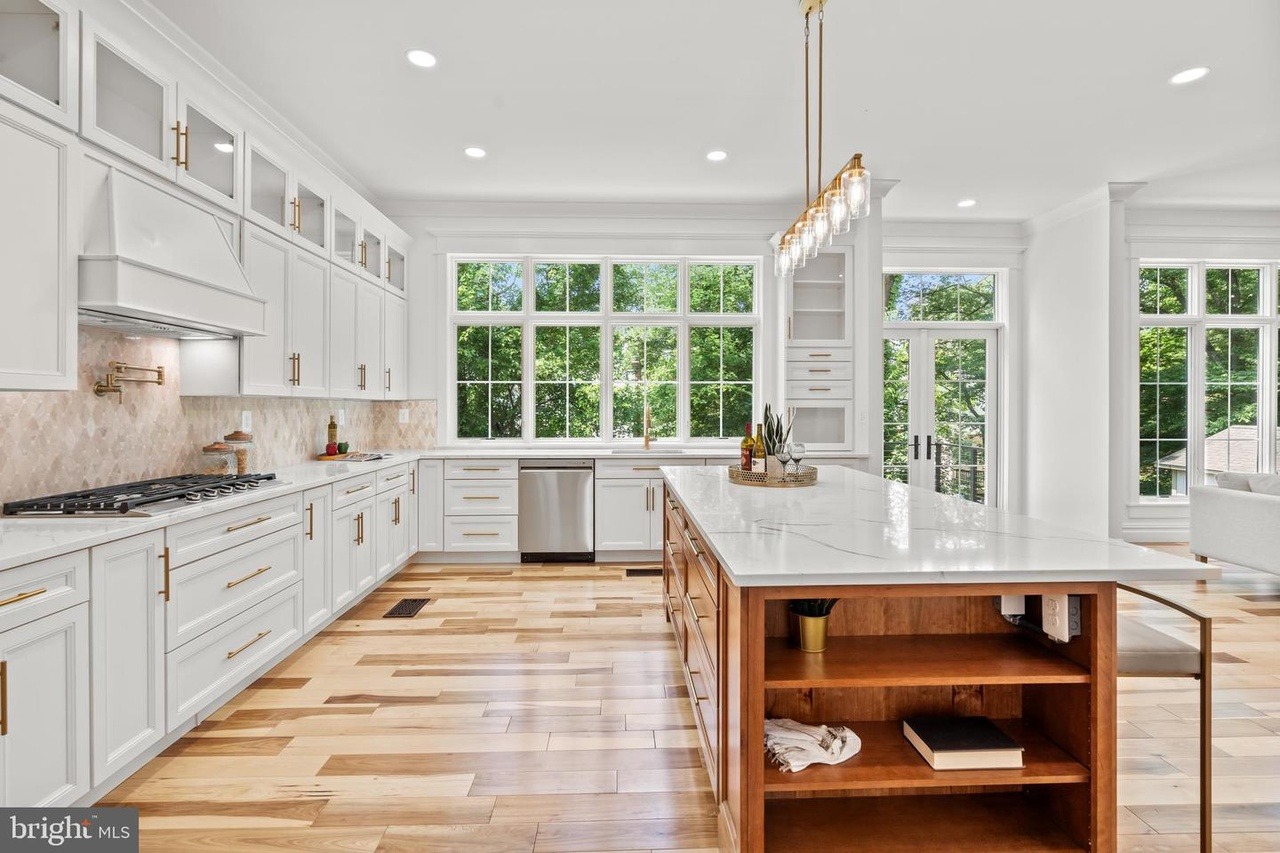
Kitchen islands are also one of the smartest places to introduce natural wood cabinetry without dominating the room. Many homeowners choose:
- Wood islands with painted perimeter cabinets
- Lower wood cabinets paired with lighter uppers
- Wood shelving mixed with simpler painted cabinetry
That layered approach offers a more timeless look than making every cabinet surface the same heavy wood tone.
Layout matters too.
If your kitchen already lacks natural light or has lower ceilings, adding large amounts of dark wood can amplify those problems quickly. But kitchens with strong natural light and cleaner sightlines tend to support wood cabinetry beautifully.
🛠️ Pro Insight: Before committing to a wood species, look at samples in your actual kitchen throughout the day. Wood undertones shift dramatically depending on natural light, flooring, wall color, and countertop materials.
If you’re planning a more modern layout overall, our guide to a modern kitchen design layout is a helpful companion before finalizing cabinetry decisions.
So, Are Natural Wood Kitchen Cabinets Worth It?
For many homeowners and contractors, and designers, absolutely.
Natural wood kitchen cabinets usually cost more upfront, but they also deliver something harder to replicate: warmth, texture, depth, and a kitchen that still feels timeless years later instead of trend-driven.
The best wood kitchens look expensive, but they also feel grounded, comfortable, and lived-in in the best possible way.
And when the wood tone, cabinet style, layout, and surrounding materials all work together, natural wood cabinetry often becomes the feature homeowners continue loving long after trends shift again.
If you’re already leaning toward wood cabinets, the next step is usually comparing real cabinet styles, finishes, and layouts inside your own space.
👇 Ready to explore options?
→ Shop natural wood cabinet styles
FAQs about Natural Wood Kitchen Cabinets
Are natural wood kitchen cabinets worth the cost?
For many homeowners, yes. Natural wood cabinets offer long-term durability, timeless style, natural texture, and the ability to age more gracefully than many manufactured finishes.
Which wood types are best for kitchen cabinets?
Popular choices include maple wood, white oak, walnut, and cherry. The best option depends on your budget, preferred grain pattern, durability needs, and overall kitchen style.
Do natural wood cabinets require more maintenance?
Natural wood cabinets require some maintenance, especially around moisture and cleaning products, but high-quality finishes help protect the cabinetry for daily use.
Can natural wood cabinets work in modern kitchens?
Absolutely. Natural wood works especially well in modern kitchens when paired with clean cabinet lines, minimalist hardware, lighter countertops, and balanced material palettes.
How do you keep wood cabinets looking good over time?
Clean spills quickly, avoid harsh cleaning products, minimize moisture exposure, and maintain hardware and protective finishes as needed.