Every builder eventually runs into this conundrum. A buyer walks through the model home, falls in love with a painted cabinet finish or a wood tone they saw on Instagram, and asks why it’s not included in the base price. If you say yes too often, your margins disappear. But if you say no too often, you might lose the buyer to a builder who knows how to say yes profitably.
What if we told you that builders can offer custom-look cabinet finishes, without absorbing custom-shop pricing? The trick is to use a tiered finish menu, capped design credits, and a wholesale cabinet supplier, instead of pricing every upgrade as a one-off custom order. The finish itself doesn’t necessarily drive the cost—how it’s packaged, priced, and sourced does.
Here’s how to start offering custom kitchen finishes without eating into your profits.
Why It’s Not About “Custom vs. Standard”
Many builders think about finishes as a binary: standard cabinets that come with the house, or custom cabinets that cost extra. But that framing drives the margin problem, because it treats every upgrade request as a special order priced from scratch.
The builders who compete well against production-scale companies and true custom shops stop treating price as the differentiator, and start treating process as the differentiator.
They offer real flexibility within a system that’s still repeatable and cost-controlled. That shift alone changes how things go with a buyer, because you’re no longer negotiating a custom quote. You’re guiding them through options you’ve already priced.
If you haven’t nailed down the basics of what separates a fully custom cabinet from a semi-custom line, the Difference Between Custom and Semi-Custom Cabinets is a useful primer before you build out a finish menu. It’ll help you know which finishes genuinely require a custom order and which don’t.
Here are four powerful ways to offer custom kitchen finishes without losing margin.
1. Package high-perceived-value, low-cost upgrades.
A fast way to protect margin on finishes is to bundle the items buyers feel the most with the items that cost you the least, relative to their impact.
- Cabinet hardware is a great example. Swapping standard pulls for a scaled, coordinated hardware finish is a meaningful upgrade to a buyer, but it’s a small line-item cost for you.
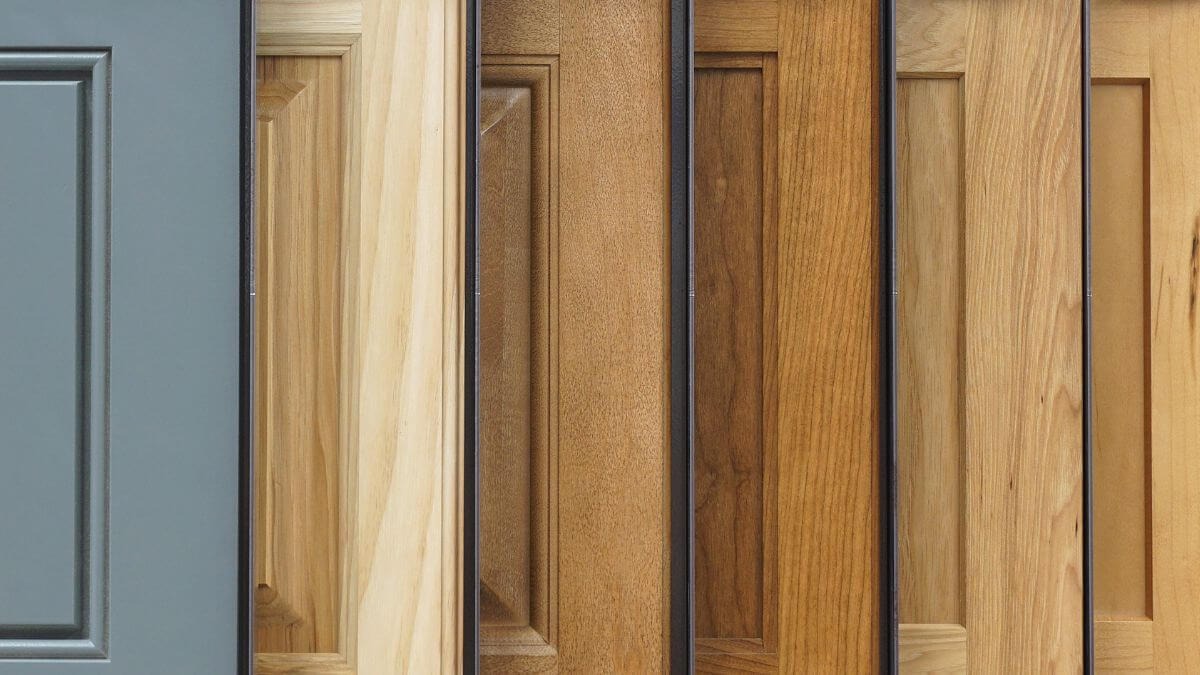
- Cabinet finishes work the same way. A satin or semi-gloss painted finish in a popular neutral, or a lighter wood stain, often costs less to produce at scale than buyers think it’s worth.
Packaging two or three of these together as a named upgrade tier (rather than pricing each one individually) lets you offer real choice without opening a custom quote for every selection.
🛠️ Pro Insight: If you’re not sure which finishes and hardware pairings buyers are seeing as “premium,” see our guide on popular kitchen cabinet trends.
2. Use capped design credits instead of open-ended custom pricing.
Builders can also protect margin on upgrades by offering a fixed-dollar design credit, instead of pricing every request individually.
You can offer a buyer a set credit to apply toward finish upgrades, like cabinet color, wood species, or hardware. And anything beyond that credit is priced at standard retail markup.
This sets a hard ceiling on your cost exposure, and it can even increase what buyers actually spend. A credit toward something they want feels different than a straight up-charge. Buyers who might balk at “add $3,000 for custom cabinets” will spend past a $2,500 credit without much hesitation.
If you’re structuring pricing this way, here are some kitchen remodel cost benchmarks to help you organize your own pricing structure.
Have questions about pricing cabinet upgrades? Contact our Pro team.
3. Offer a tiered finish menu.
Once you’ve decided how you’ll price upgrades, the next step is deciding what’s on the menu. Many contractors organize finishes into three simple tiers.
- Entry tier: durable, low-maintenance painted or thermofoil finishes in proven neutral colors. Easy to produce, easy to sell, and they rarely go out of style.
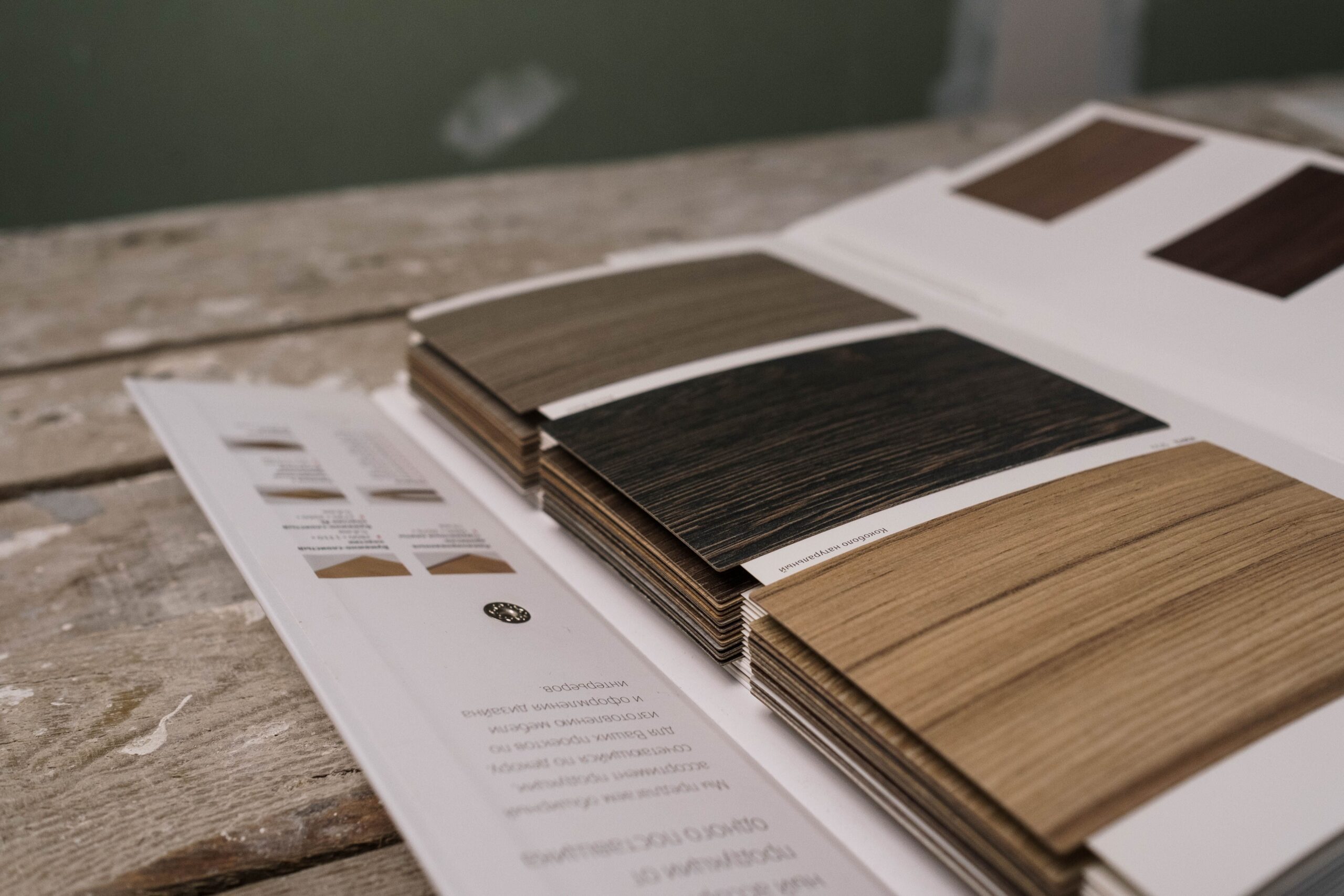
- Mid tier: natural wood stains and slightly more distinctive colors — options that feel like a step up without needing a fully custom order.
- Premium tier: specialty finishes, less common wood species, or coordinated hardware packages that give buyers a “this doesn’t look like everyone else’s kitchen” result.
The intention here is to make sure every tier is something you’ve already priced and can deliver on a predictable timeline, so a buyer’s excitement about a finish doesn’t turn into a cost surprise a few weeks later.
If your team needs some clarity when discussing finish, wood species, and construction terms with buyers or subcontractors, keep these kitchen cabinet terms handy.
👉 Related Reading: How To Choose the Ideal Finish for Custom Kitchen Cabinets
4. Source through a wholesale supplier.
None of the strategies above work for your margin without the right supplier. A tiered finish menu only serves you if your supplier delivers consistent pricing and lead times across every tier. Otherwise, you’re back to quoting each project one at a time, which is the exact problem you’re trying to solve.
That’s why sourcing matters as much as pricing strategy.
iCabinetry’s iStyle line runs from semi-custom finishes through fully custom builds, all at wholesale pricing. There’s no tiered rep system or trade program markup. The best part about this is that your entry, mid, and premium tiers can all come from one supplier relationship instead of several. Paint, stain, wood species, and hardware, all in one place.
New to wholesale sourcing? Here’s what to expect when partnering with a wholesale cabinet supplier, from pricing to delivery.
Comparing the distributor model to buying direct? Here’s how kitchen distributors work, so you can make the most informed choice for your business.
Still sourcing RTA-only? Check whether your current supplier can flex into custom territory when a project calls for it. RTA vs custom cabinets covers that trade-off.
Stand Out Without Harming Your Margin
Figure out your finish tiering and you won’t just be protecting your margin—you’ll be solving your competition problem.
Buyers, now more than ever before, are expecting some level of personalization. Yes, even in production and semi-custom builds.
Builders who can offer that without a price war will win the sale without having to discount themselves into oblivion.
Ready to build out a finish menu that works for your next project?
FAQs: Kitchen Cabinets For Builders That Protect Your Bottom Line
Yes. A tiered finish menu—entry, mid, and premium options already priced and sourced—paired with a capped design credit lets buyers choose finishes they’re excited about while keeping costs predictable.
Finishes are the paint, stain, wood species, and hardware options. Semi-custom refers to the cabinet construction itself. A semi-custom line can still offer a wide range of finishes. Semi-custom vs. custom cabinets covers this further.
A design credit is a fixed dollar amount buyers can apply toward upgrades. Selections within the credit are included. Anything beyond it is priced at standard markup, which caps cost exposure while still giving buyers room to personalize.
Many do. iCabinetry’s iStyle line spans semi-custom to fully custom finish options at wholesale pricing, so builders can source multiple tiers through one supplier instead of several.
Painted finishes in durable sheens (satin or semi-gloss) are the most reliable choice. They’re easy to produce consistently and slower to age than trendy colors. Our cabinet paint sheen blog covers durability by finish type.
By offering real flexibility (e.g. pricing tiers, working with a wholesale supplier) inside a repeatable, cost-controlled system rather than competing on price against a fully custom shop.