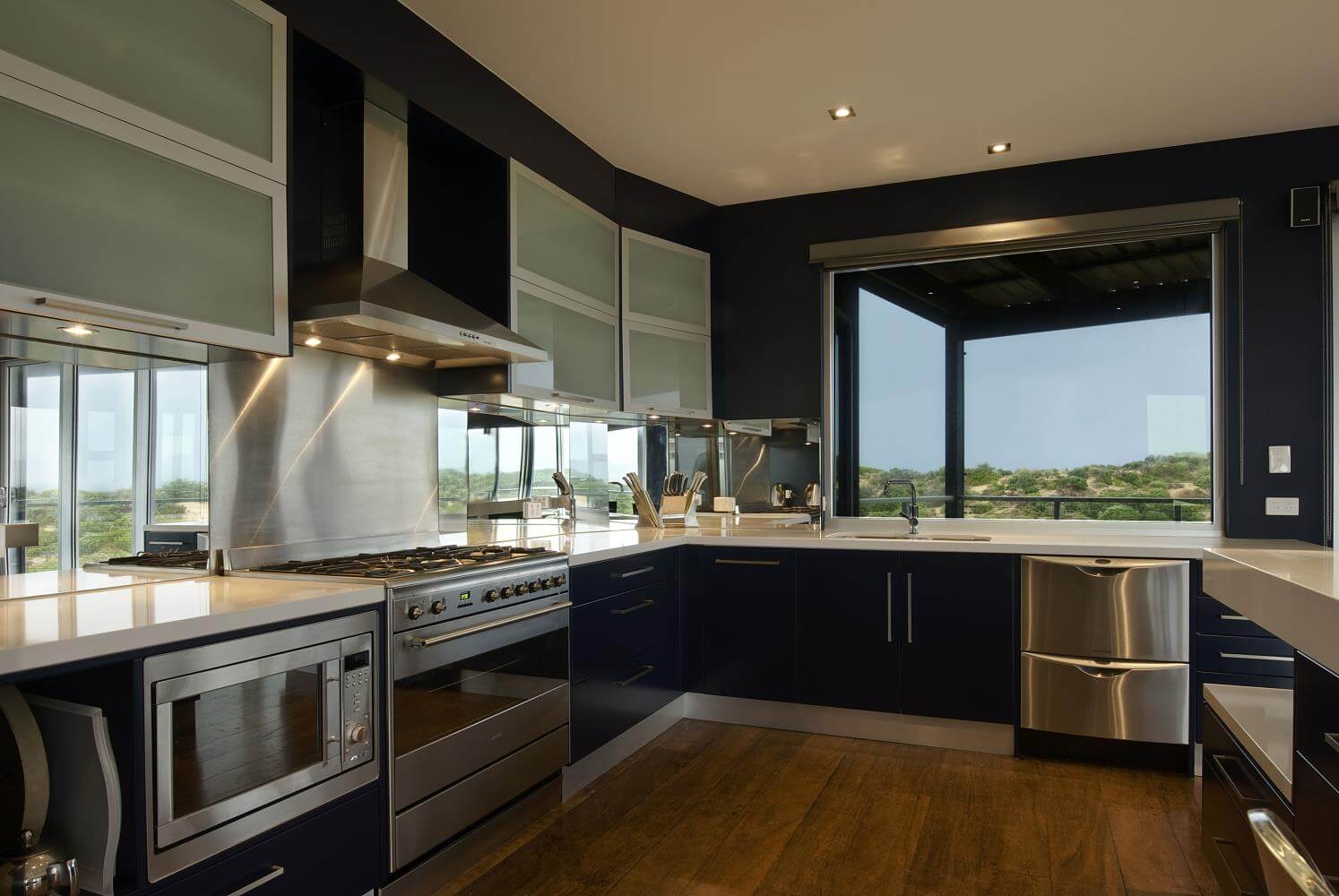
An optimized kitchen layout makes a more enjoyable cooking experience by improving flow, storage space, and overall usability. Whether you prefer a contemporary kitchen with integrated appliances or a more traditional style, the principles of efficient kitchen design remain the same. Today, we’ll dive into smart strategies for an optimized kitchen design layout so that your family meals are more enjoyable than ever.
1. Maximize Workflow with the Kitchen Work Triangle
The kitchen work triangle positions the sink, stove, and refrigerator as three points of a triangle. By integrating a meal prep and cooking zone in between these three, you can ensure optimal flow.
Overall, each leg of the triangle should be between 4 and 9 feet. You’ll likely want additional counter space between the kitchen and the stove so that you can easily open the drawers and find what you need, with less space between the stove and sink.
Ensure you have a clear path between all three points, meaning that any kitchen islands or peninsula countertops should be outside of this cooking space. You can also add cabinet storage below the countertops, further enhancing your work.
While this triangular layout is crucial for small and medium-sized kitchens, open-concept kitchens can also maximize efficiency and prevent unnecessary movement by keeping these three points within a 36-foot perimeter.
2. Utilize Vertical Space with Smart Cabinetry Solutions
Vertical space is especially important in small spaces, as it enhances efficiency and helps keep the environment clutter-free. Tall cabinets don’t just make a bold statement, but they also allow you to stash little-used small appliances up high.
Here are a few cabinetry tips to consider:
- Incorporate deep drawers for storing pots and pans, making them easy to access.
- Use pull-out shelves to keep pantry items and cooking supplies neatly organized and within reach.
- Add corner cabinets with lazy Susans or pull-out racks to make use of awkward, unused space.
- Implement soft-close technology to minimize noise and prolong the lifespan of your cabinets.
iCabinetry Direct’s custom options can maximize your kitchen’s functionality with ceiling-height cabinets.
3. Plan for Ample Counter Space
Ample counter space makes meal preparation simpler and more enjoyable. Consider adding a multifunctional island that can serve as both a food prep zone and a dining table, with adequate overhangs to tuck in chairs. Under-counter storage maximizes space while making it easier to find what you need. You can also consider appliance integration to provide a built-in look, which balances both working space and personal style.
4. Lighting: Illuminate with Intent
Lighting design shapes both mood and productivity. Whether it’s abundant natural light or carefully placed track lighting, good lighting enhances the design and functionality of this key home space. A well-lit kitchen creates a welcoming atmosphere and ensures that work areas are properly illuminated for safety and efficiency. Consider layering different types of lighting to cover all areas of your kitchen:
- Use task lighting under cabinets to illuminate work surfaces.
- Incorporate pendant lighting over islands or dining areas to create focal points and add style.
- Install dimmer switches or smart lighting to seamlessly transform the room’s ambiance, from cooking to entertaining.
5. Choose the Right Appliances and Placement
Selecting the right appliances is key to designing an optimized kitchen, both in layout efficiency and style. Modern, energy-efficient appliances boost your workflow while providing a clean, streamlined look. Additionally, good placement maximizes countertop space and improves productivity. Consider these key factors when choosing your appliance layout.
- Position the dishwasher near the sink for easy loading.
- Keep the oven and stove in close proximity to prep areas for efficiency during cooking.
- Consider integrated or built-in appliances to streamline the overall look of your kitchen.
- Select energy-efficient appliances to save space and electricity.
6. Incorporate an Island or Peninsula for Multifunctionality
Kitchen islands and peninsulas are a great way to add storage, counter space, and seating to your kitchen layout.
An island is a great option for a larger kitchen, as it can provide a food preparation area as well as a dining and socialization space. Consider adding built-in storage or pull-out seating options to maximize island functionality.
In contrast, a peninsula works well in smaller kitchens, as it provides similar functionality to an island but with a minimal footprint.
To optimize storage, consider adding cabinets, pull-out organizers, or built-in appliances, making the most of every inch.
7. Embrace Open Shelving for Accessibility and Style
Open shelving is the perfect balance between style and practicality. You can showcase your dishware, cookbooks, or decorative measuring cups while visually expanding the space and enabling quick access to what you need most.
Ensure you use high-quality materials and finishes to turn your shelves into a showpiece. You might consider a light color to avoid the shelves looking heavy or overwhelming.
Pair open shelves with closed cabinetry to keep the kitchen both inviting and clutter-free. Careful organization also ensures a neat, minimalist appearance.
8. Focus on Smart Storage Solutions
Effective storage solutions are the backbone of a well-organized kitchen. Plan your storage around how you use the space, keeping frequently used items close at hand. Some smart storage strategies include:
- Pull-out pantry cabinets or vertical spice racks for easy access to ingredients.
- Drawer dividers and organizers to keep utensils, knives, and kitchen tools in order.
- Hidden trash and recycling bins integrated into cabinetry to maintain a clean, seamless look.
- Integrated waste systems, like a garbage disposal, increase efficiency and sanitation.
- Pull-out shelving provides additional storage while reducing cabinet floor space.
Integrate Technology for a Smarter Kitchen
A modern kitchen needs high-tech solutions to improve both convenience and aesthetic appeal. Consider adding these tools to your kitchen for a smoother workflow.
- Smart appliances allow remote control, such as a wine cooler that can automatically chill your wine before dinner.
- Motion-activated faucets save water while allowing hands-free functionality.
- Under-cabinet lighting makes it easier to see your workspace, especially if your kitchen does not have large windows.
- Smart plugs let you charge your phone and other devices in addition to small appliances.
- Power drawers are perfect for wireless, Bluetooth-enabled appliances, so they’re always ready when you need them.
- A range hood efficiently filters air and reduces the risk of carbon monoxide.
iCabinetry Direct is on the cutting edge of modern design, ensuring that your dream kitchen is future-proof and highly functional.
Create Zones for Cooking, Cleaning, and Storage
Kitchen zoning creates separate zones for different functions, including storage, meal prep, cooking, and cleaning. This reduces clutter and enhances efficiency, especially if you have a larger kitchen with multiple chefs.
To achieve optimal kitchen zoning, consider these principles:
- Group appliances by function, such as having the microwave next to the stove.
- Keep cooking tools near the stove, and place storage beside the prep zones.
- Dedicate a specific counter or area for serving and plating meals.
Use Color and Texture to Define Layout Areas
Colors and textures can be a powerful way to designate different functional zones while adding visual appeal. For example, pair light quartz countertops with dark cabinets for a sharp, clean contrast. Pair a bold backsplash with matte cabinet finishes to draw the eye toward this focal point.
With a small kitchen, light colors open the space to create a spacious, airy feel. Larger kitchens can use dark colors to help make a more intimate space without sacrificing utility.
Optimize Traffic Flow
To ensure easy movement between kitchen zones, maintain 36-48 inches of walkway between all counters, and consider how appliances open so that they will not block pathways.
In-kitchen seating should be placed with at least 36 inches between a pulled-out chair and the wall so that people can pass by without feeling cramped. If anyone in the home uses a mobility aid, provide additional space.
Add a Breakfast Nook or Casual Dining Space
Small dining spots can provide a warm, intimate feel to the kitchen while improving usability. You could consider extending an island or counter for casual seating. For small kitchens, use a corner banquette or a wall-mounted table, maximizing both space and functionality. Ensure you match the finishes with your cabinetry for cohesion.
Balance Function with Aesthetics
Balancing aesthetics and function provides long-term satisfaction. Practical layouts, when paired with beautiful design, make your kitchen a relaxing culinary space. Avoid over-accessorizing with overly ornate flourishes. Instead, let your cabinetry shine and add small, trendy touches that can be refreshed as needed.
Timeless choices, like Shaker-style cabinet doors, will remain on-trend for decades, especially if you choose durable materials like solid wood. Our designers can help you find the perfect layout and cabinetry to keep your home beautiful for years.
Sustainable Kitchen Design Practices
To keep your kitchen sustainable, choose durable and responsibly sourced materials with non-toxic finishes. LED lighting, energy-efficient appliances, and water-saving fixtures all reduce your carbon footprint. These sustainable choices not only reduce waste but also create a healthier living space.
Optimize Your Kitchen with iCabinetry Direct
A well-designed kitchen balances aesthetics with functionality. Our cabinet experts at iCabinetry Direct can help you create the perfect kitchen that maximizes storage, optimizes workflow, and improves your home’s curb appeal. Shop cabinets now to transform your space into an efficient, stylish, and organized kitchen.
FAQs about Kitchen Layout Optimization
The work triangle keeps the sink, fridge, and stove within a perimeter of 36 feet so that you can easily move between spaces. Kitchen zoning separates out different functions, like cooking and serving, to maintain a good workflow.
To make a small kitchen feel larger, choose light finishes and open shelving. Make the most of vertical space with tall cabinets, and utilize smart storage options like pull-out drawers and integrated appliances.
U-shaped and galley designs are the most efficient layouts. A U-shaped design is great for larger kitchens, as there is ample cabinet space along three points. A galley-style kitchen is good for a smaller, one-person kitchen because it makes a compact work triangle.
Lighting enhances efficiency by making it easier to see what you are doing. A bright, well-lit space improves mood and productivity. Task lighting above prep spaces reduces shadows and prevents injuries. Adjustable mood lighting can help delineate between cooking and entertainment time.
Meanwhile, well-designed cabinetry helps you quickly find what you’re looking for while maximizing the utility of every available foot. Adding tools like integrated spice racks or pull-out drawers reduces dead zones.
Yes, a kitchen designer is essential if you’re doing a remodel or renovation. While these kitchen design tips can guide your process, a designer will ensure a cohesive look and good workflow while considering your budget.