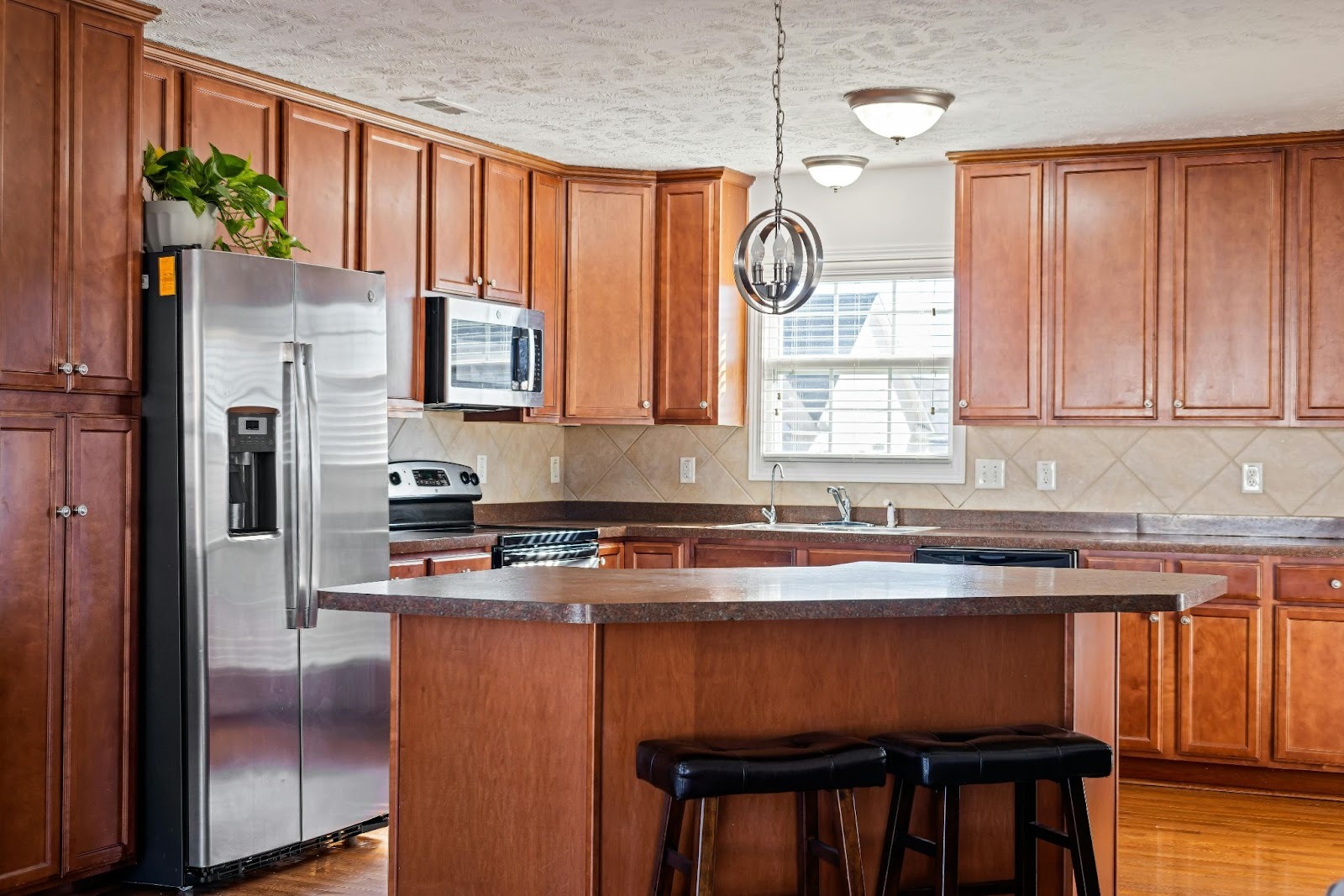
You’re standing in your kitchen, looking up at that awkward strip of space above the upper cabinets. It’s collecting dust. Or maybe it’s holding a fake plant you don’t really like. And now you’re wondering if taking cabinets all the way to the ceiling is the design move that will make your kitchen finally feel complete.
But will it feel elegant, or bulky? Is it worth the extra cost, or just another overkill Pinterest trend?
Upper cabinets to the ceiling are worth it if you want a more finished look, added storage, and easier maintenance, but they aren’t necessary for every kitchen. The right choice depends on ceiling height, cabinet style, budget, and how you actually use your storage.
This guide covers when ceiling-height cabinets truly make sense, when they don’t, and how they affect cost. By the end, you’ll be able to decide what works best for your kitchen, not just what looks good online.
What Does “Upper Cabinets to the Ceiling” Mean?
Upper cabinets to the ceiling simply means the cabinetry extends all the way up to meet the ceiling, with no exposed gap above.
This can be achieved in a few different ways, depending on cabinet construction and ceiling height:
- Taller single cabinet boxes
- Stacked cabinets (a second row added on top)
- Upper cabinets with soffits or crown molding
You’ll see this approach most often in custom or semi-custom kitchens—cabinet height can be tailored to the space rather than capped at a standard size.
Planning cabinet height alongside depth and layout is key to perfect upper cabinet installation, especially when coordinating the uppers with base cabinetry and countertops.
Just know that ceiling-height cabinets are a design decision, not a requirement. Plenty of well-designed kitchens intentionally stop short of the ceiling and still feel polished.
Why Designers Love Upper Cabinets to the Ceiling
Designers gravitate toward ceiling-height cabinets for one main reason: they make kitchens feel finished.
Visually, they create a continuous vertical line that draws the eye upward. That added height makes the kitchen feel more intentional and sometimes more expensive.
There’s also a practical upside. Without that open gap above the cabinets, there’s no place for dust, grease, or grime to build up. What you don’t see, you don’t have to clean.
🛠️ Pro Insight: Ceiling-height cabinets visually anchor the kitchen. When done beautifully, they can make standard-height cabinets look incomplete by comparison.
The Pros of Upper Cabinets to the Ceiling
When they work, they really work. Here’s where ceiling-height cabinets shine:
- More usable storage: That added top shelf becomes a home for seasonal items, large serving pieces, or appliances you don’t use daily.
- Cleaner look: No exposed gap means less visual clutter and disruptions for the eye.
- Easier maintenance: No dusting above cabinets, no greasy buildup near the ceiling.
- Taller-feeling space: Vertical lines help ceilings feel higher than they actually are.
- Custom appearance: Even semi-custom cabinetry looks more high-end when it meets the ceiling.
If you’re a homeowner who values polish and additional storage, this upgrade often feels worth it the instant the remodel is complete.
The Cons of Upper Cabinets to the Ceiling
That said, this design choice isn’t universally right. There are real drawbacks to consider:
- Higher cost: Taller cabinets, stacked units, or custom trim increase material and labor costs.
- Accessibility issues: The highest shelves can be inconvenient without a step stool.
- Visual heaviness: In small kitchens or low-ceiling spaces, cabinets can feel oppressive.
- Precise installation needed: Uneven ceilings become very noticeable when cabinets run flush.
- Less flexibility later: Future cabinet changes are more involved once everything reaches the ceiling.
How Ceiling Height Changes the Decision
Ceiling height influences this decision more than most people realize.
In kitchens with 8-foot ceilings, cabinets that go straight to the top can feel tight if the cabinet style is bulky or dark. Slim profiles and lighter finishes are better options here.
With 9-foot ceilings, ceiling-height cabinets usually feel balanced and natural. This is often the sweet spot for going all the way up without needing stacked designs.
In kitchens with 10-foot or higher ceilings, a single tall cabinet can look stretched. Stacked cabinets or a second tier with glass doors usually work better to maintain proportion, especially when you’ve already mapped out ideal cabinet spacing and layout flow.
Upper Cabinets to the Ceiling vs Standard Uppers
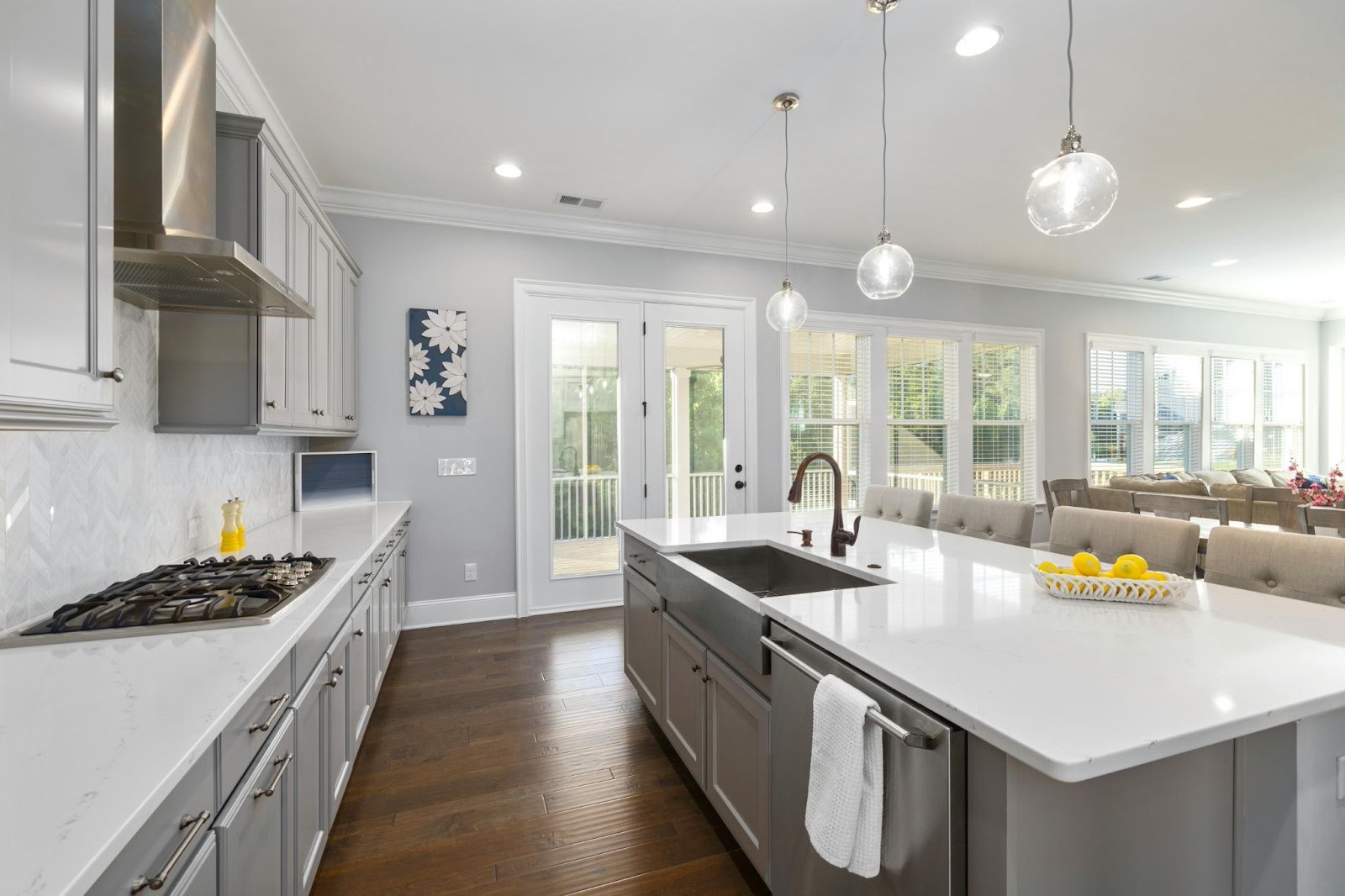
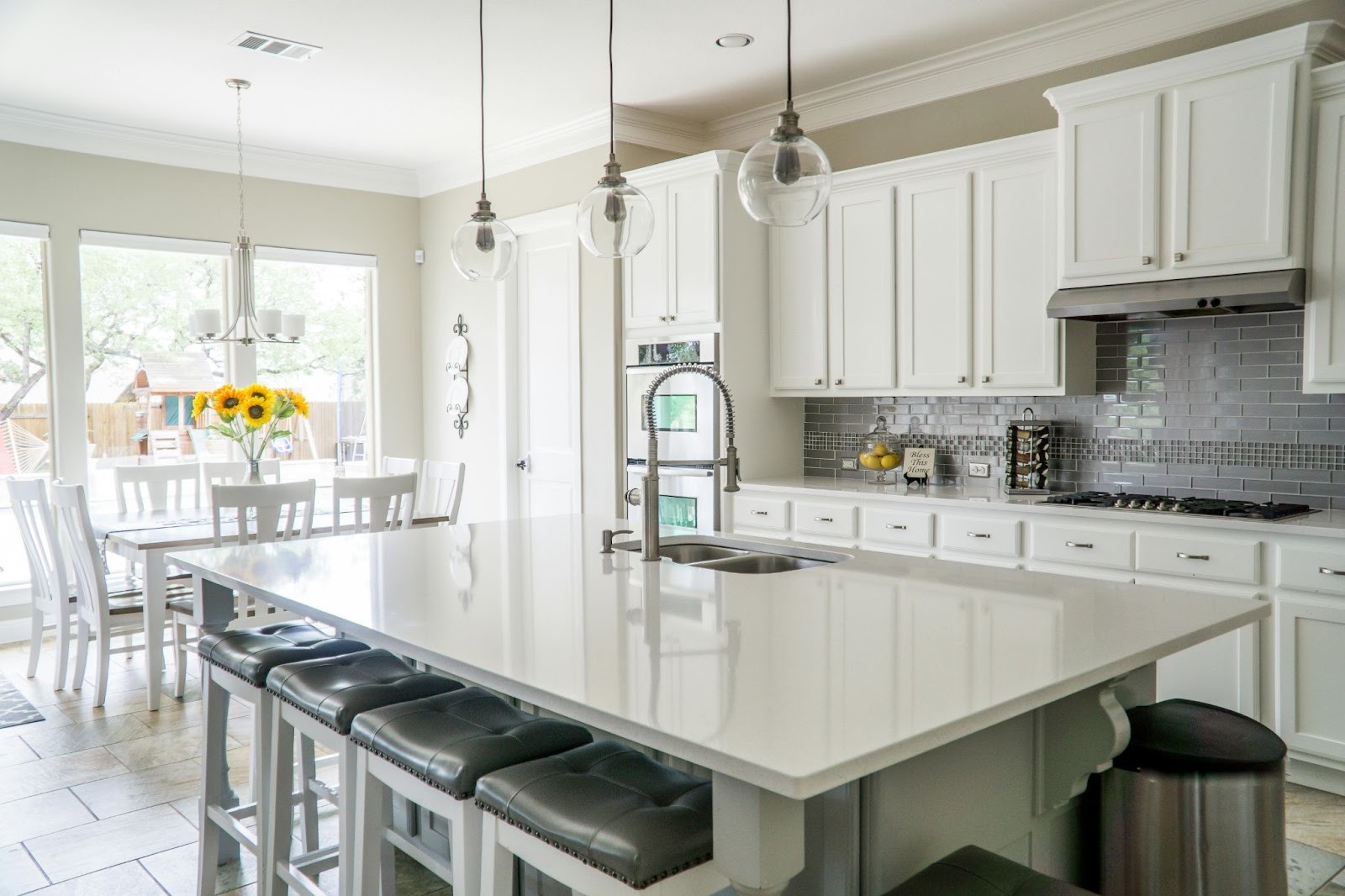
Standard upper cabinets stop short of the ceiling, leaving a visible gap. This is just a different look than ceiling-high cabinets.
Standard uppers:
- Cost less upfront
- Offer easier access to all shelves
- Feel lighter visually
- Allow decorative styling above cabinets
Ceiling-height uppers:
- Offer more storage
- Look cleaner and more architectural
- Require more planning and precision
- Commit the design fully
The difference isn’t about right or wrong; it’s about your priorities and tastes.
Cost Considerations: Is It a Big Price Jump?
The cost difference varies widely depending on how ceiling-height cabinets are achieved.
Taller cabinet boxes typically cost more per unit. Stacked cabinets add material, hardware, and installation time. Custom crown molding or trim further increases cost.
That said, some homeowners find the price difference smaller than expected once decorative fillers, soffits, or aftermarket trim are removed from the plan. If you’re factoring in ways to reduce overall cabinet costs elsewhere, this is something to consider.
🛠️ Pro Insight: Ceiling-height cabinets often cost more upfront, but they reduce “design clutter” that adds cost in other areas.
When Upper Cabinets to the Ceiling Are Worth It
This approach makes the most sense when:
- You plan to stay in the home long-term
- Your kitchen has good natural light
- Cabinet styles are clean and simple
- Storage space is a priority
- You’re investing in semi-custom or custom cabinetry
In these situations, ceiling-height cabinets usually feel like a smart, intentional choice rather than an excessive design feature.
When Upper Cabinets Might Be Overkill
On the other hand, they may not be the best choice if:
- Ceilings are low and the space is narrow
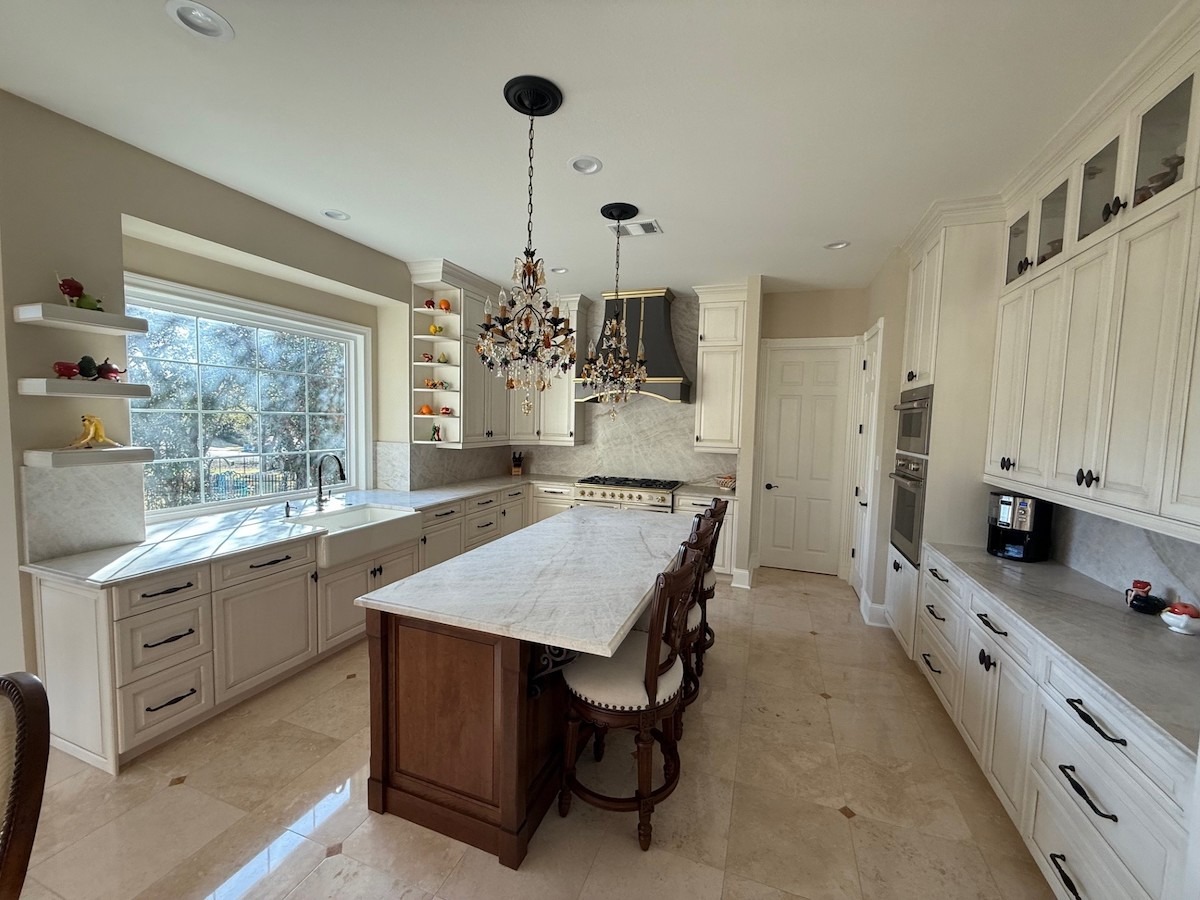
- Cabinet styles are ornate or heavily detailed
- Budget would be better spent on drawer upgrades or layout improvements
- Upper storage isn’t heavily used
In these cases, stopping short of the ceiling can feel lighter and more functional, especially when you’ve thoughtfully planned kitchen cabinet storage zones instead.
Design Tips to Make Ceiling-Height Cabinets Look Right
If you do go to the ceiling, pay attention to the details.
- Lighter cabinet colors prevent the room from looking heavy.
- Simple door styles—like flat-panel or clean shaker designs—keep the look from feeling bulky.
- Glass-front uppers or stacked cabinets can break up mass while preserving the height.
- Crown molding should be proportional: too small looks like an afterthought, and too large takes over the room.
Lighting is also hugely influential here. Under-cabinet lighting and well-placed ceiling fixtures help balance the added vertical presence.
Smart Alternatives If You Don’t Go to the Ceiling
If ceiling-height cabinets feel like too much, there are thoughtful alternatives:
- A short crown molding with a clean gap above
- Stacked cabinets with a smaller upper tier
- Open shelving above the uppers
- A finished soffit that blends into the ceiling
These options keep the room feeling designed without fully committing to ceiling-height cabinetry.
Final Verdict: Worth It or Overkill?
Upper cabinets to the ceiling aren’t mandatory, but they’re far from a gimmick.
When planned and installed properly, they add polish, storage, and a custom feel that many homeowners love. But when forced into the wrong space, they can feel heavy or unnecessary.
The best kitchens aren’t built from trends. They’re built from decisions that fit the space, the people living in it, and how the kitchen is actually used.
FAQs: Upper Cabinets to the Ceiling
Should kitchen cabinets go all the way to the ceiling?
Only if ceiling height, cabinet proportions, and storage needs support it.
Do ceiling-height cabinets make kitchens look bigger?
They can, especially when paired with light colors and good lighting.
Are upper cabinets to the ceiling more expensive?
Yes, but the increase varies depending on cabinet construction and trim choices.
What do you store in cabinets that go to the ceiling?
Seasonal items, large serving pieces, and rarely used appliances.
Are ceiling-height cabinets still in style?
Yes, but longevity depends on thoughtful design, not trend chasing.