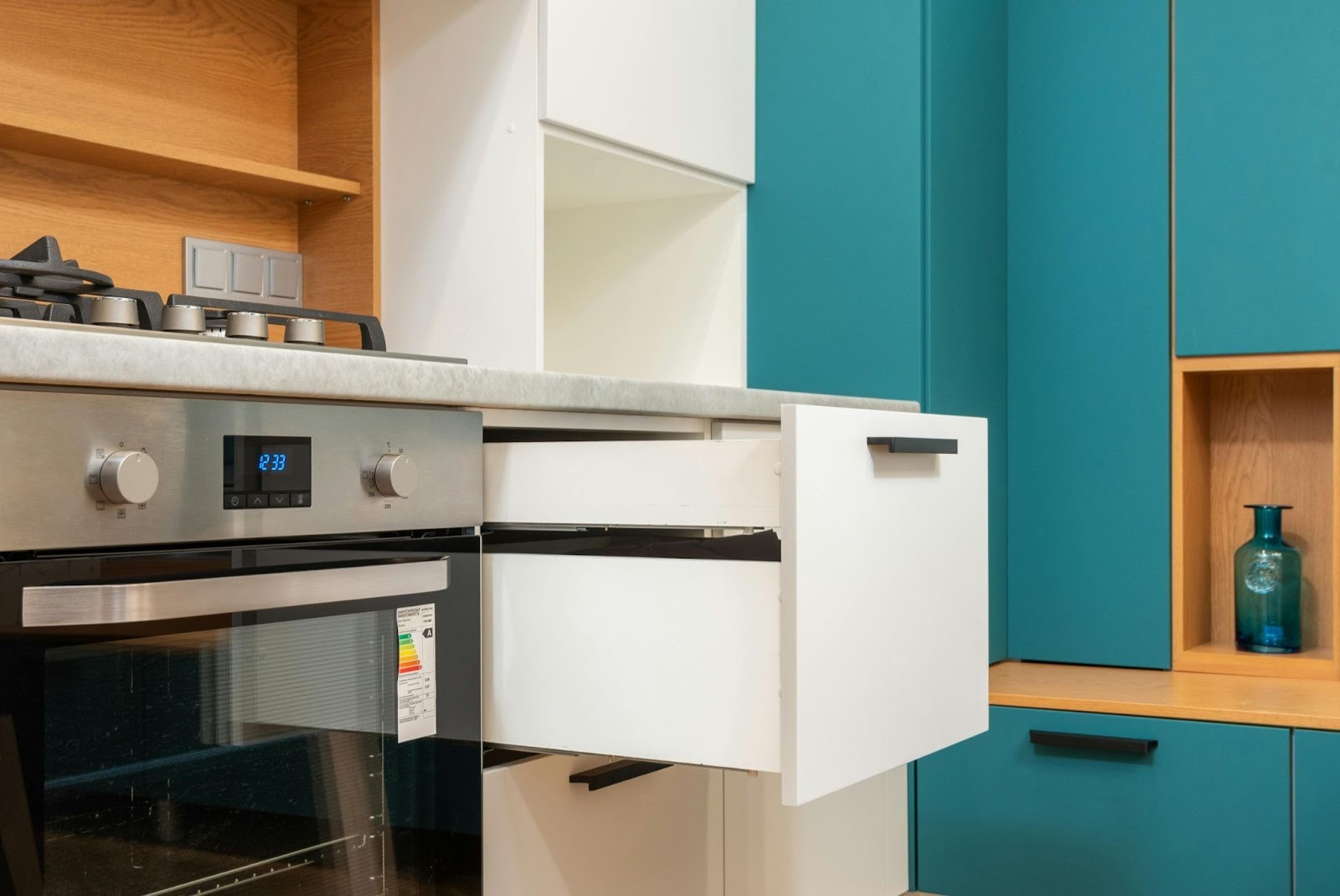
You know the moment. It’s late, everyone is asleep, and you’re trying to grab a snack without waking anyone up. Then a drawer slams shut. Or maybe you just finished a kitchen remodel and something still feels off. The cabinets look great, but the experience doesn’t match the investment.
That’s when most homeowners start comparing upgrades. Not just what looks nice, but what actually changes how the kitchen feels to live in. One question comes up again and again: soft-close drawers or soft-close hinges—which one actually matters more?
Soft-close drawers generally matter more than soft-close hinges because drawers are used more frequently, hold more weight, and affect everyday function more directly. Soft-close hinges improve cabinet doors, but soft-close drawers have a bigger impact on comfort, durability, and long-term satisfaction.
In this guide, we’ll cover it all: how each option works, what they cost, how they feel in real life, and which upgrade gives you the best return for your kitchen.
What Does “Soft-Close” Actually Mean?
Soft-close technology is about control. Instead of allowing doors or drawers to slam shut, soft-close hardware uses hydraulic or mechanical dampers to slow the closing motion and gently pull it closed.
This does three key things:
- Prevents slamming
- Reduces wear on cabinet components
- Creates a quieter, more refined kitchen experience
While the goal is the same, soft-close drawers and soft-close hinges use different mechanisms and affect different parts of how your kitchen functions every day.
What Are Soft-Close Hinges?
Soft-close hinges are installed on cabinet doors. You’ll most often see them built into European-style concealed hinges.
They work by engaging a small damper as the door approaches the closed position. Once activated, the hinge slows the motion and pulls the door shut quietly.
You’ll notice soft-close hinges most on:
- Upper cabinets
- Lower cabinet doors
- Pantry doors
They’re helpful in preventing doors from banging shut and reducing stress on cabinet frames.
What Are Soft-Close Drawers?
Soft-close drawers use drawer slides with integrated dampers. These slides support the full weight of the drawer and everything inside it.
Instead of relying on a light door motion, drawer slides control:
- Heavy loads
- Full extension movement
- Repeated daily use
You’ll feel the biggest impact in:
- Cutlery drawers
- Pots and pans drawers
- Trash pull-outs
- Deep storage drawers
Because drawers are opened and closed constantly, and often with more force, soft-close drawer slides play a much larger role in kitchen function.
How Often Do You Actually Use Each? (Real-Life Comparison)
This is where theory meets real life. Think about your daily habits: you open drawers for utensils, silverware, trash, cooking tools, spices, and cookware dozens of times a day. Cabinet doors, while still important, simply don’t see the same frequency or load.
Drawers are:
- Opened more often
- Carry heavier items
- Experience more wear and stress
Cabinet doors are:
- Used less frequently
- Carry little to no weight
- Experience lighter mechanical stress
🛠️ Pro Insight: Most households open drawers two to three times more often than cabinet doors during normal kitchen use. That frequency adds up fast.
The Pros of Soft-Close Drawers
Soft-close drawers are one of those upgrades you notice immediately, and keep appreciating long-term.
Key benefits of soft-close drawers
- Handle heavier loads without slamming
- Reduce wear on drawer boxes and cabinet frames
- Improve organization for pots, trash, and utensils
- Instantly elevate the feel of the kitchen
- Create quieter kitchens, especially at night
Because drawers are such a big part of how a kitchen functions, upgrading them often makes the entire space feel more intentional and well-built.
The Cons of Soft-Close Drawers
That said, soft-close drawers aren’t perfect for every situation.
Disadvantages to consider
- Higher cost per drawer
- Slightly more complex installation
- Low-quality slides can fail early
- Overkill for rarely used drawers
The key is quality. Cheap slides don’t perform well long-term, which is why it’s important to invest selectively.
The Pros of Soft-Close Hinges
Soft-close hinges are still a meaningful upgrade.
Benefits of soft-close hinges
- Prevent cabinet doors from slamming
- Protect cabinet frames over time
- Improve the experience of upper cabinets
- Lower cost per unit than drawer slides
- Often easy to retrofit into existing cabinets
They’re especially useful if you’re updating an older kitchen or improving functionality without replacing your cabinetry.
The Cons of Soft-Close Hinges
While helpful, hinges tend to be a subtler upgrade.
Limitations to consider
- Less noticeable day-to-day impact
- Can feel unnecessary on infrequently used doors
- Some hinges disengage with very light pressure
- Not all hinges remain adjustable long-term
You’ll appreciate them, but they’re rarely an upgrade people rave about.
Cost Comparison: Soft-Close Drawers vs Soft-Close Hinges
Budget is often the deciding factor, so it helps to look at real numbers instead of assumptions.
| Upgrade Type (Pro Installation) | Typical Cost (Per Unit) | How Many Per Kitchen | Total Impact |
| Soft-Close Hinges | ~$6–$15 per hinge | 30–60+ hinges | Lower cost per piece, but adds up quickly |
| Soft-Close Drawer Slides | ~$35–$100 per drawer | 10–20 drawers | Higher cost per unit, fewer units needed |
Which Upgrade Matters More for Most Kitchens?
Here’s the honest answer most homeowners discover after living with both.
- Choosing one upgrade? Go with soft-close drawers first.
- If budget allows both? Do both.
- Retrofitting an existing kitchen? Hinges may be easier and more affordable short-term.
Best Upgrade Strategy If You’re on a Budget
You don’t have to do everything at once.
A smart approach looks like this:
- Prioritize high-use drawers first.
- Leave low-use drawers standard.
- Add soft-close hinges later if budget allows.
- Mix soft-close and standard hardware strategically.
This gives you the biggest functional upgrade without overspending.
How Soft-Close Features Affect Long-Term Cabinet Durability
Soft-close hardware isn’t just about comfort. It protects your cabinets, too.
By reducing slamming and stress, these features:
- Preserve joints and fasteners
- Reduce alignment issues over time
- Minimize maintenance and adjustments
- Extend the overall lifespan of cabinetry
They also improve perceived quality, which matters for resale value and long-term satisfaction.
When You Should Upgrade Both
There are situations where doing both makes sense from day one:
- Custom or semi-custom kitchens
- High-end cabinetry investments
- Long-term homes
- Family kitchens with kids
In these cases, soft-close across the board creates a cohesive, premium experience.
Final Verdict: Drawers First, Hinges Second
If you’re deciding where to spend your upgrade budget, the answer is clear: soft-close drawers. They change how your kitchen feels and functions every single day. Soft-close hinges are a nice enhancement, but they don’t carry the same impact.
Start with drawers, and upgrade hinges when you can. Your future self will thank you.
FAQs: Soft-Close Drawers vs Soft-Close Hinges
Do soft-close drawers really make a difference?
Yes. They handle weight, noise, and daily wear better than any hinge upgrade.
Are soft-close hinges worth it?
Yes, but they’re a secondary upgrade compared to drawers.
Can I add soft-close features later?
Often yes. Hinges are typically easier to retrofit than drawers.
Do soft-close drawers break more easily?
High-quality slides last for years. Cheap ones fail early.
If I had to choose one, which should I pick?
Soft-close drawers.