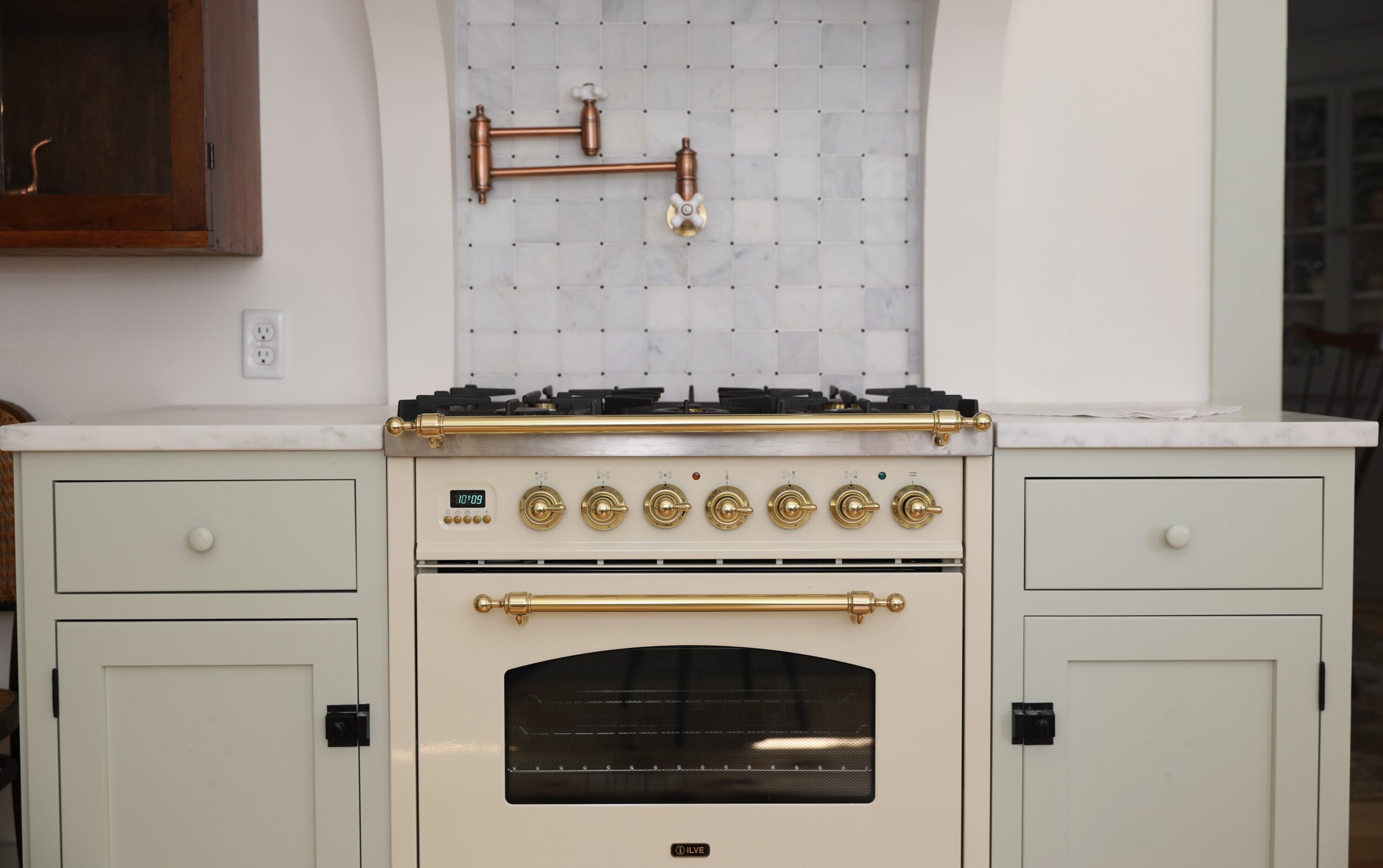
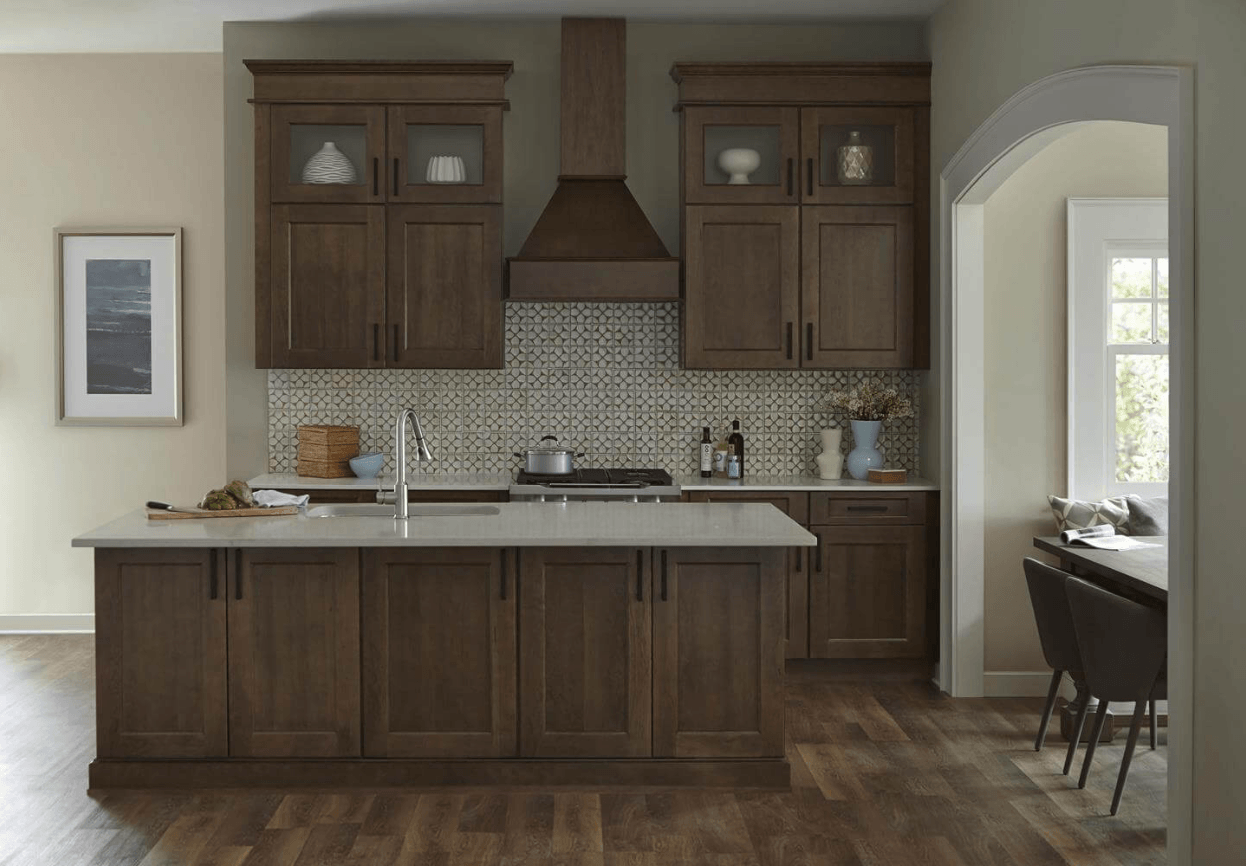
Custom cabinets are an expensive and long-lasting design decision, so naturally, many homeowners wonder what questions you should ask your kitchen cabinet designer. Asking your cabinet maker about the right details ensures that your consultation runs smoothly and you receive the product of your dreams.
1. What Materials Will You Use?
Materials determine the cabinet’s upfront cost, maintenance requirements, and lifespan. Some common options you should discuss with your designer include:
- Solid Wood: Sturdy and classic, wood is a premium option that can last for decades with proper care. You can select from numerous wood species, like cherry, maple, or oak.
- Laminate: This budget-friendly option can be manufactured in almost any color or finish, making it quite versatile.
- Plywood: High-quality plywood is very strong, so it can accommodate heavier hardware. It also resists scratching, warping, and splitting better than other options like laminate or wood.
- Medium-Density Fiberboard (MDF): This engineered material provides a smooth and paint-ready surface that resists warping, which is especially important in humid rooms like kitchens.
By discussing materials with your designer, you can explore the options available and make the right choice based on your budget and lifestyle.
2. What Style Are the Doors?
Door styles significantly impact the overall look and feel of your kitchen. Visual cohesion with the countertops and backsplash will create a harmonious space, which can improve resale value.
While the right door can look great with any type of kitchen, most door styles are closely associated with certain kitchen designs. Choosing the wrong type can make your room look “off” from an aesthetic perspective.
- Classic: Shaker-style and raised panels have a timeless look that is right at home in a traditional kitchen, like a farmhouse or colonial design.
- Transitional: This style serves as a bridge between traditional and contemporary, making it a bit more fluid. Shaker, raised panel, and glass-front doors may all fit well, depending on whether you have a vinyl or tile backsplash.
- Contemporary: Modern kitchens prioritize minimalism and clean lines, making them perfect for slab-style doors.
Your kitchen designer will ask specific questions about what cabinet styles you like. If you find inspiration from sources like our Design Gallery, you can provide this to them so they can better align with your expectations.
3. How Long Will the Process Take?
No one wants their home turned into a construction zone for months on end. Your designer should clearly communicate how long the kitchen design project will take so that you can coordinate other aspects, like painting the walls, installing flooring, and ordering your new appliances.
This timeline depends on several factors, including whether this is a new construction or remodel, as well as manufacturing lead times, design approval, material requisition, and installation. Agree to a timeline before the project gets started, including any concessions the contractor can provide if they fail to finish in time.
4. What Storage Solutions Do You Recommend?
One of the greatest benefits of custom cabinets is that you can go beyond simple drawer boxes and choose personalized storage options. The designer should offer you space-saving solutions based on your specific preferences.
These are some of the most common storage options, which can significantly improve your kitchen’s functionality.
- Pull-Out Trays: This is a good option for flatware, like silverware, as it keeps everything nicely organized and allows you to access it at any time.
- Spice Racks: These can be hand-crafted and seamlessly integrated. Another option is a revolving spice rack, which is a good choice for smaller kitchens.
- Corner Solutions: Lazy Susans and pull-out shelving are two popular options for corner cabinets that ensure you can fully utilize the space.
- Integrated Trash/Recycling Bins: These may hinge out so that you can easily replace the liner. They’re popular in contemporary kitchens, which emphasize clean sightlines and unobtrusive storage.
- Pot Hangers: While you can install these after the fact, you need heavy-duty hooks and should talk to your cabinet maker about it beforehand. Some materials aren’t strong enough to hold up pots or may split if you try to screw in new holes.
- Dish Racks: Rather than lying all your dishes flat, consider getting racks so they can be stored vertically.
These options will help make your kitchen a more enjoyable place to cook while also maximizing the available space.
5. Can You Customize Cabinets for My Layout?
While most consumers have standard kitchen layouts that can easily integrate stock cabinets, others have a more unconventional house plan. For example, you may have a large household that needs extra room, or a tiny house that needs practical space-saving options.
Ask whether your kitchen designer can offer different configurations to avoid dead zones or annoying issues, such as a cabinet being blocked when the fridge is opened. They should be willing to show you shop drawings of what your kitchen will look like; some even offer clients 3D renderings to better visualize the space.
6. What Is the Budget Breakdown?
Transparent pricing builds trust and ensures that your project remains under budget. Some designers will be more open to negotiation, while others have set pricing for each job. Regardless, you should know the percentage of your budget that goes to each task. The primary ones include the following.
- Design Consultation: Visualizing, outlining, and measuring everything takes time, so you will have to pay a consultation fee.
- Labor: This is usually the highest cost and ensures you receive quality cabinetry. In general, this ranges from $70 to $100 per hour. Depending on the contractor, this may be 25% to 50% of the total expense.
- Materials: Choosing more budget-friendly materials will significantly reduce your overall cost. It may also mean there is less labor involved than if you were buying hand-carved wood cabinetry.
- Shipping and Handling: Of course, you will need to pay for everything to be delivered, which is more expensive than a typical Amazon package.
- Installation: Whether the cabinetry experts handle this in-house or work with a third-party vendor, you need to pay for everything to be put in place. It may be tempting to go for the cheapest contractor, but this can cost you if it voids the warranty or damages the product.
- Hardware: Screws, hinges, shims, and other components have to be put in place so the cabinetry stays secure. Beyond that, you have some flexibility in how much you spend on elements like knobs and pulls. The cabinetry company may have a limited range available, or you can take measurements and purchase your own.
7. Who Will Handle Installation?
To protect your investment, you must ensure that the cabinets are installed properly. A misaligned cabinet may not open all the way, causing delays while it is fixed. Poorly installed cabinets may also affect the warranty.
Ask whether the cabinet maker handles both design and installation, or if they use a third-party contractor. If they don’t handle installation, ask if you can choose the vendor, and look up reviews of the company before agreeing to the project.
8. How Involved Will I Be in the Design Process?
In general, custom kitchen design is more collaborative than simply purchasing cabinets from a catalog. You have much more control over every detail, whether that is the dimensions or the hardware. However, each designer and buyer has different ideas of how this process should go.
Some buyers are hands-off, letting the cabinet maker deal with every aspect, while others want to be deeply involved in the process. You want to ensure that this designer’s attitude toward collaboration matches yours, or you’ll be frustrated by the results.
The first step in deciding if this design’s attitude suits you is to check their reviews and seek word-of-mouth referrals. When reading posts about the designer, look for comments on the questions the designer asked, their responsiveness to concerns, and whether they took suggestions from the customer or dismissed their suggestions.
You should also ask what input the designer needs from you. Common things that designers may want to know include these points.
- Measurements and Layout: The cabinet maker will need to know the size of your kitchen and its general orientation, including the locations of the windows, doors, and appliances. This will be incorporated into the planning file and is typically the first thing they ask.
- Budget: You should be upfront with how much you’re willing to spend, as this will influence every aspect of the process. The cabinet maker can suggest a range of products that align with your budget, whether that is fully custom or semi-custom.
- Current Kitchen Sticking Points: If you’re renovating your kitchen, the designer may ask why you’ve decided to upgrade and what annoys you about the current layout. This helps them better realize your vision and ensure you’re satisfied with your cabinets.
- Furniture: Some people have a combined kitchen and breakfast nook, so they will have tables and benches or chairs. Knowing this ensures that the contractor can select the right cabinet sizes for your needs and add additional storage options in the right places.
- Overall Lifestyle: Everyone’s preferences in a kitchen will vary, and this can impact what materials or styles are used. For instance, MDF products are suitable for a busy family because they are stain-resistant and durable.
- Aesthetic: Kitchen design often comes down to the type of feeling you want to reflect. For a cheery farmhouse kitchen, you may choose painted wood cabinets, while a sleek contemporary kitchen would look better with matte black slab cabinets.
- Workflow: If you’re the type of person who buys everything fresh from the farmer’s market, you may not need as much space for cans. In contrast, someone who primarily uses their kitchen to heat canned food will likely need ample cabinets to stuff all their ingredients. A family kitchen needs to have safe spaces to store cleaning products out of the reach of little hands.
Once you’ve gone over all of these details, you should ask the contractor how many revisions are common before approving the work and what further information they may need.
9. Should I Bring Measurements to My First Design Consultation?
The contractor can’t get started on your project until they know how much room they have to work with. As such, they will likely ask you to take measurements before arriving at your consultation. This ensures they don’t suggest cabinets that would be oversized in your room and that they have a realistic concept of how many cabinets you’ll need.
These measurements are typically the first ones that will be requested, so jot them down in advance.
- Overall Room Dimensions: Measure the length and width of every wall. Note any angles or protrusions that may influence cabinet placement.
- Ceiling Height: Measure from floor to ceiling in the corners. If the ceiling is sloped or arched, you should take measurements in several spaces and explain this.
- Obstructions: Note the width, height, and location of common obstacles like windows, doors, support beams, cutouts, and bump-outs.
- Utility Lines: Mark the location of the sink, electrical outlets, and gas or plumbing lines.
- Appliances: Note where you will be placing major appliances like fridges, stoves, microwaves, and dishwashers.
- Sink and Countertop: If you are keeping your old sink and countertop, or you have already picked these out, share their dimensions with your contractor.
Having this information handy means that the cabinet maker can get right to work drafting some options for you without having to constantly revise their work based on new details. When combined with information about your lifestyle, aesthetic, workflow, and material needs, you’ll soon have a strong working plan that can be verified through a contract.
Conclusion
Building your dream kitchen can be a fun and rewarding process, especially if you choose great products like our Ultracraft kitchen cabinets. However, much of it comes down to strong collaboration with your kitchen cabinet designer. Asking the right questions ensures that your new kitchen cabinetry matches your taste, budget, and overall expectations. Begin your cabinetry journey with confidence by reviewing our Ultracraft product line, which is manufactured in the United States by master craftsmen.