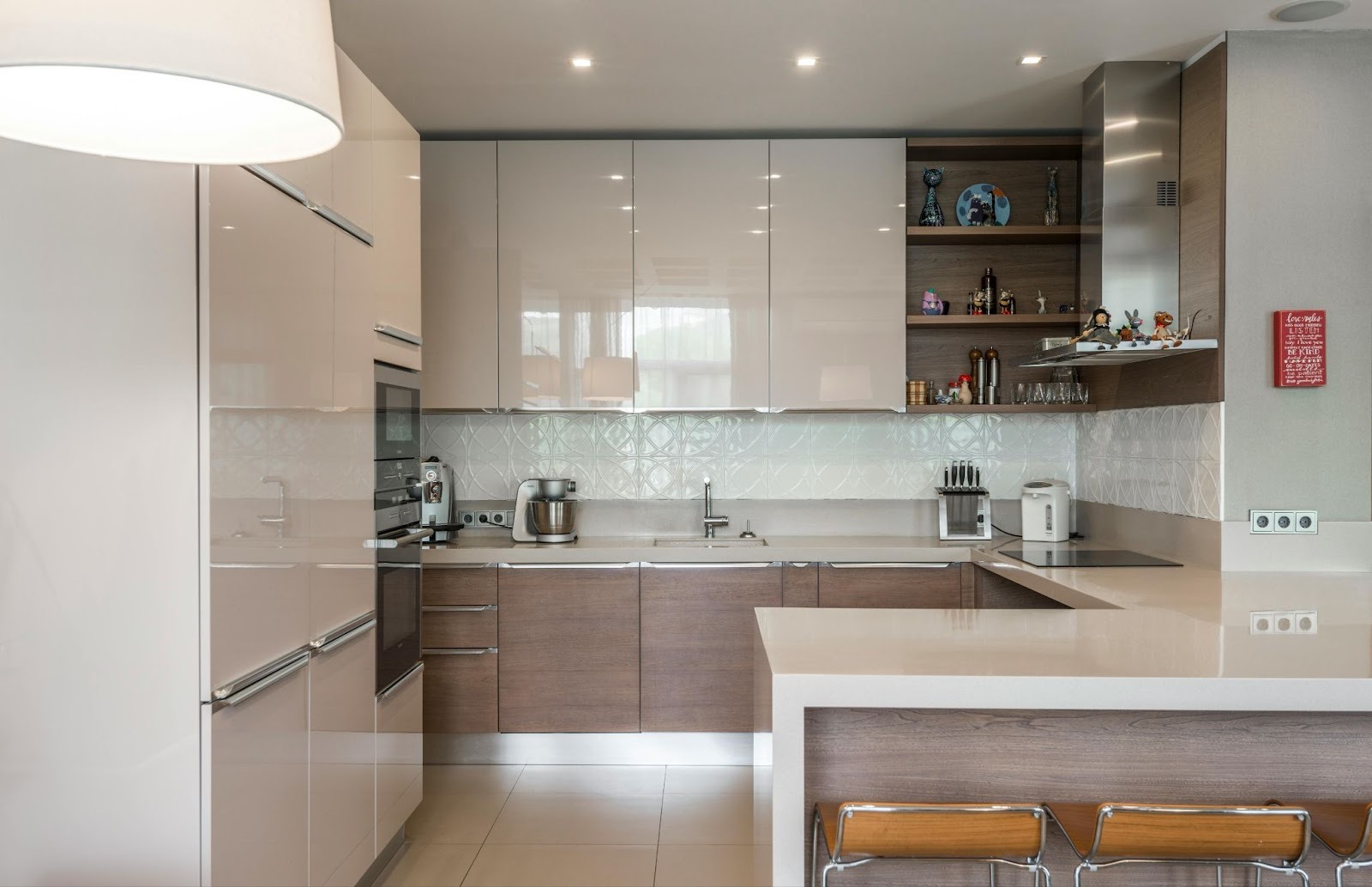
Open shelving is one of the biggest trend shifts in modern kitchen design. Homeowners love this style because it makes everyday essentials easy to reach, brightens the room, and gives the whole kitchen a lighter, more spacious feel. And the best part is you don’t need a full kitchen renovation—with a few smart updates, you can convert kitchen cabinets to open shelves using the cabinetry you already have.
You can convert upper kitchen cabinets into open shelves without removing walls, hiring contractors, or spending money on a complete remodel. Removing the cabinet doors, prepping the interior, and adding a few styling touches is often all it takes to create open shelving that looks modern and stunningly curated.
And if you decide the cabinets themselves need a refresh along the way, you can always buy kitchen cabinets online for affordable replacements or upgraded designs that pair perfectly with an open-shelving layout.
Let’s walk through everything you need to know about converting kitchen cabinets to open shelves.
What Are Open Kitchen Shelves?
Open shelves (or open kitchen shelving) simply refer to shelving without cabinet doors covering the front. Instead of closed kitchen storage, the shelves and the items on them are fully visible.
This can be:
- Your existing cabinets with the doors removed
- Floating wood shelves added to a blank wall
- A mix of open and closed cabinetry styles
- Decorative shelves for dishes, bowls, plants, or favorite pieces
Open kitchen shelves create breathing room and make the kitchen feel less boxed-in.
Why Convert Cabinets to Open Shelving?
Homeowners choose open shelving for three big reasons:
1. Visual Openness
Open shelves make even a small kitchen feel more spacious. Removing upper cabinet doors reduces visual weight on the walls and lets more light in.
2. Easy Access
Your most-used items—the coffee mugs, the bowls, the white dishes you use daily—are within arm’s reach.
3. Modern, Curated Style
Open shelves feel current, warm, and lived-in without losing their practicality. They let you display kitchen decor or serving pieces in a way that feels effortless.
Can You Convert Cabinets Without a Remodel?
Yes, most people convert cabinets to open shelves without touching anything structural.
This project works well for:
- Homeowners wanting a low-cost upgrade
- Renters, as long as you have permission and can reinstall cabinet doors later
- Anyone on a budget who loves modern kitchen design but wants to avoid renovation costs
As long as your cabinets are securely mounted, you can move forward with confidence.
Evaluate Which Cabinets Are Ideal for Open Shelving
Not all cabinets are perfect candidates. Before removing cabinet doors, check:
Sturdiness
Make sure the upper cabinets are secure and the existing shelves inside aren’t sagging.
Placement
The best spots for open shelving are:
- Near the kitchen sink (but not directly above it)
- Above a coffee or breakfast station
- Near food prep zones
- A single cabinet at the end of a run
Condition of the Interior
If the shelves or walls inside look worn, you’ll be repainting anyway. But if the cabinet interior is extremely damaged, replacing the cabinet may be easier than refinishing it.
🛠️ Pro Insight: Start with a single cabinet instead of removing all the cabinets at once. You’ll quickly see how much you enjoy living with open shelving before committing across the room.
Step-by-Step Guide to Removing Cabinet Doors Safely
Here’s how to convert kitchen cabinets to open shelves without damaging the cabinet frame.
- Grab basic tools
You’ll need:
- Screwdriver or drill
- Putty knife
- Nail punch
- Fine-grit sandpaper
- Damp sponge
- Paintable caulk
- Empty the cabinet completely
Remove dishes, small appliances, and anything inside.
3. Remove the cabinet doors
Unscrew the hinges from the cabinet frame first, then from the door. Keep the screws organized if you plan to reinstall cabinet doors later.
4. Remove remaining hardware
Soft close hinges, leftover screws, and any remaining hardware should all come off.
5. Fill holes
Use wood filler to fill holes left by hinges or latches. Smooth with your putty knife and let it dry fully.
6. Sand the surface smooth
Use fine-grit sandpaper to soften rough edges and help paint adhere.
7. Remove excess caulk and dust
Run a damp sponge over the surface to wipe away dust or loose debris.
Once the doors are off and the frame is cleaned up, you’re officially ready to create open shelving that looks polished, not makeshift.
Preparing the Cabinet Interior for Display
This step is what makes open shelving look curated rather than like a cabinet with no doors.
Paint or Refinish the Interior
Choose your desired color, such as white, a contrasting color, or natural wood. Apply light coats of paint. Allow each coat to dry completely.
Add Trim (Optional)
If the front edge looks unfinished, install trim using finishing nails for a cleaner appearance.
Ensure the shelves can hold weight
If needed, add new shelves or reinforce existing shelves.
🛠️ Pro Insight: A contrasting color inside open shelves makes the display pop. For example, navy interiors with white dishes look stunning.
Add Shelf Liners or Back Panels for a Decorative Touch
If your cabinet interior isn’t in great shape, or you want a little personality, try:
- Peel-and-stick wallpaper
- Beadboard panels
- Painted back panels
- Wood shelves for warmth
This is an easy way to bring farmhouse style, cottage charm, or clean modern lines into your kitchen.
Tips for Organizing Open Kitchen Shelves
Think of styling open shelves like staging a tiny room.
- Group items by color or purpose: White dishes together. Glassware together. Coffee items together.
- Mix heights and shapes: Stack bowls, lean cutting boards, add a plant for softness.
- Keep daily items on lower shelves: Place the things you grab every day (mugs, plates) at arm’s reach.
- Use baskets sparingly: They hide clutter but keep the airy aesthetic intact.
Dos and Don’ts for Styling Open Shelves
DO:
- Keep items you love visible
- Leave empty space
- Mix functional and decorative pieces
- Use matching dishes for a cohesive look
DON’T:
- Overload the shelves
- Store items with lots of packaging
- Display too many small items
Maintaining Open Shelving: What to Expect
Open shelves require a little more light cleaning than enclosed cabinets.
Here’s what maintenance typically looks like:
- Wipe surfaces weekly
- Dust bowls and dishes occasionally
- Keep items organized
- Remove excess caulk or grime if it builds up
But the tradeoff of slightly more upkeep is a kitchen that feels brighter, more open, and easier to use.
Alternative Ideas if You Don’t Want to Remove Doors Permanently
Not ready to remove cabinet doors forever? Try these alternatives:
- Glass-front cabinet doors
- Removing only one or two cabinet doors
- Floating shelves above existing cabinets
- Using open shelving on just one wall
These (reversible!) upgrades create the feel of open shelving without the full commitment.
When Should You Consider Replacing Cabinets Instead?
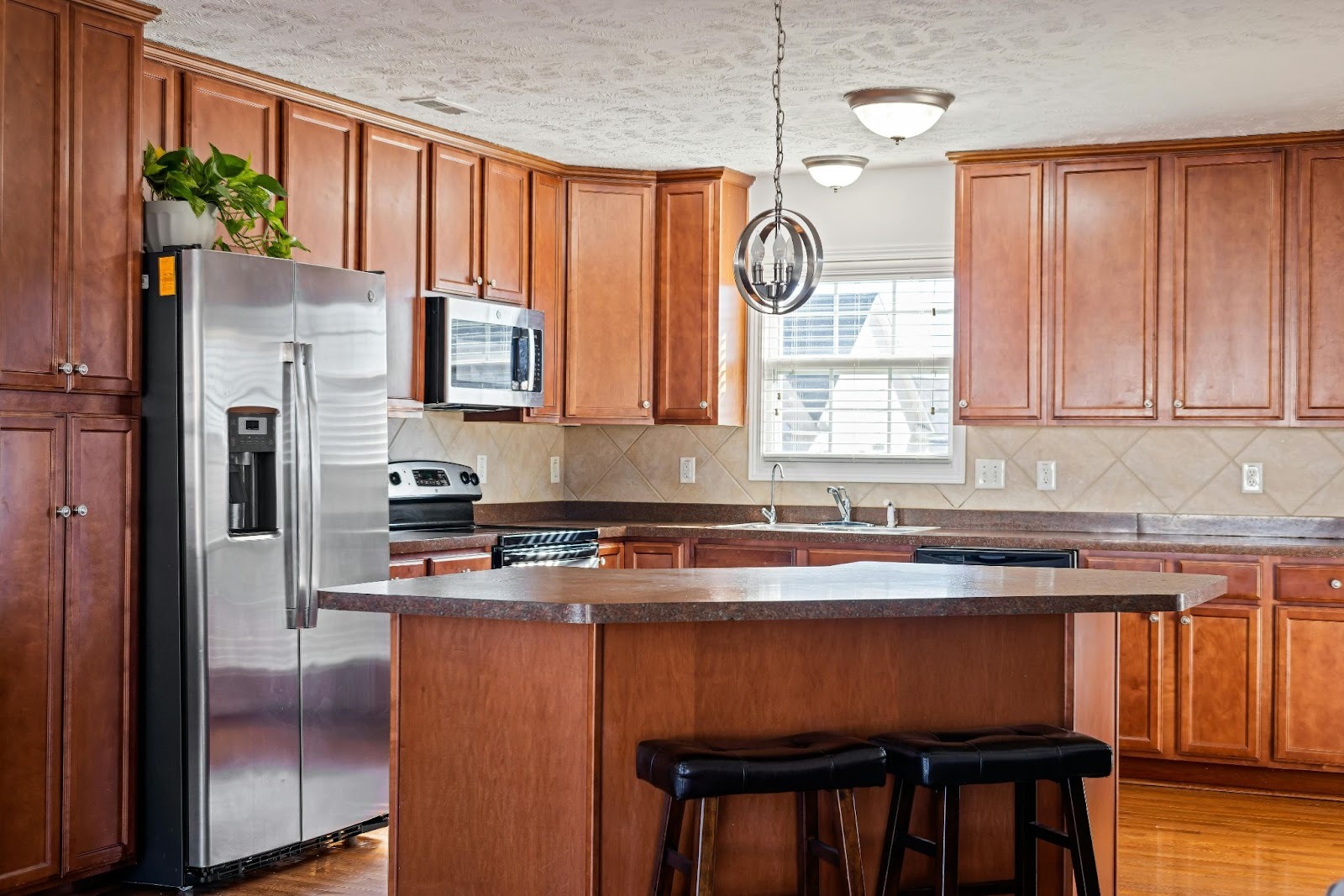
If your existing cabinets are damaged, mismatched, warped, or made from very outdated materials, converting them into open shelves may not give you the result you want.
In that case, you might be better off replacing the cabinets entirely.
And if so, you can easily buy kitchen cabinets online, giving you full control over style, finish, layout, and budget — plus access to modern cabinet designs already suited for open shelving layouts.
FAQs about Converting Kitchen Cabinets to Open Shelves
What are the pros and cons of open kitchen shelving?
Pros: visual openness, easy access, modern style.
Cons: more dusting, requires intentional styling.
Do open shelves affect kitchen resale value?
They can increase appeal when done well. Buyers love modern design, but make sure there’s still enough closed storage space.
Can I reinstall cabinet doors after removing them?
Yes. As long as you save the doors and hinges, you can reinstall cabinet doors using the original screw holes.
What tools do I need to convert kitchen cabinets to shelves?
A screwdriver or drill, putty knife, fine-grit sandpaper, nail punch, paintable caulk, and a damp sponge.
Are floating shelves better than converted cabinets?
They offer a cleaner look and more design flexibility, but converting cabinets is cheaper and avoids a full kitchen renovation.