The cabinet doors you choose will make a significant difference in your kitchen’s aesthetic appeal, renovation cost, and maintenance requirements. This article will explore the pros and cons of raised-panel vs. flat-panel cabinet doors, including helpful comparisons and buyer tips to ensure your kitchen renovation is a success.
Raised Panel Cabinet Doors
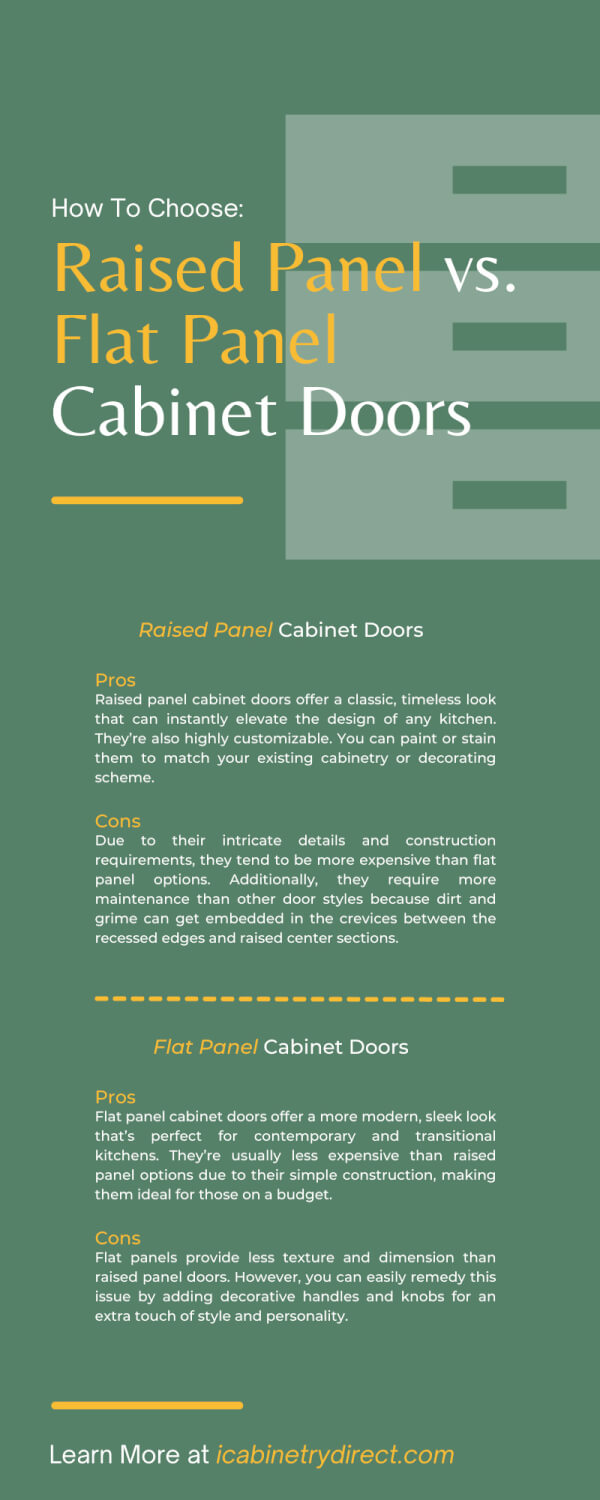
Raised-panel doors can be an excellent choice for a traditional kitchen. These have a raised center panel that rises above the frame, often with ornate detailing like beading. They are generally built from wood or wood veneer because carving is required.
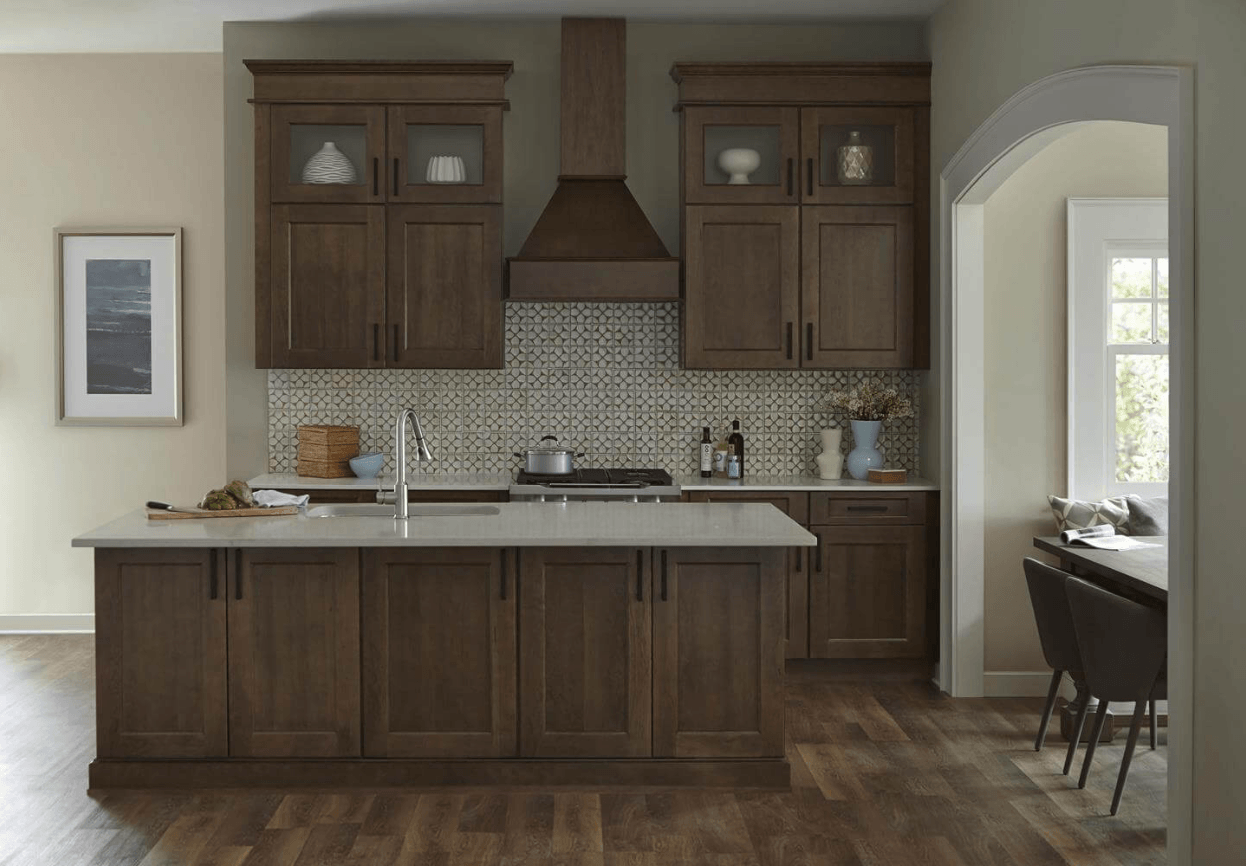
It’s important to note the difference between raised panel cabinets and Shaker-style cabinet doors. While the two are often confused, Shaker-style doors are recessed-panel cabinet doors, with the center panel lower than the frame. Both Shaker and raised-panel cabinets are valued in more classic kitchen styles for their timeless elegance and sturdy construction.
Pros
Raised-panel doors are highly valued in traditional kitchen designs because they create visual depth without excessive details. These kitchen cabinet doors have a timeless appeal and are very durable, especially if purchased from a high-quality supplier like iCabinetry Direct. To upgrade your kitchen aesthetics, you can select high-end finishes like natural stain finishes.
Cons
Raised panel doors are more expensive than minimalist designs like flat panels because they require more detailed construction. Additionally, they require more maintenance than simpler options, such as Shaker cabinets, because dirt can collect in the grooves. You will need to be diligent about wiping them down to avoid damage.
Flat Panel Cabinet Doors
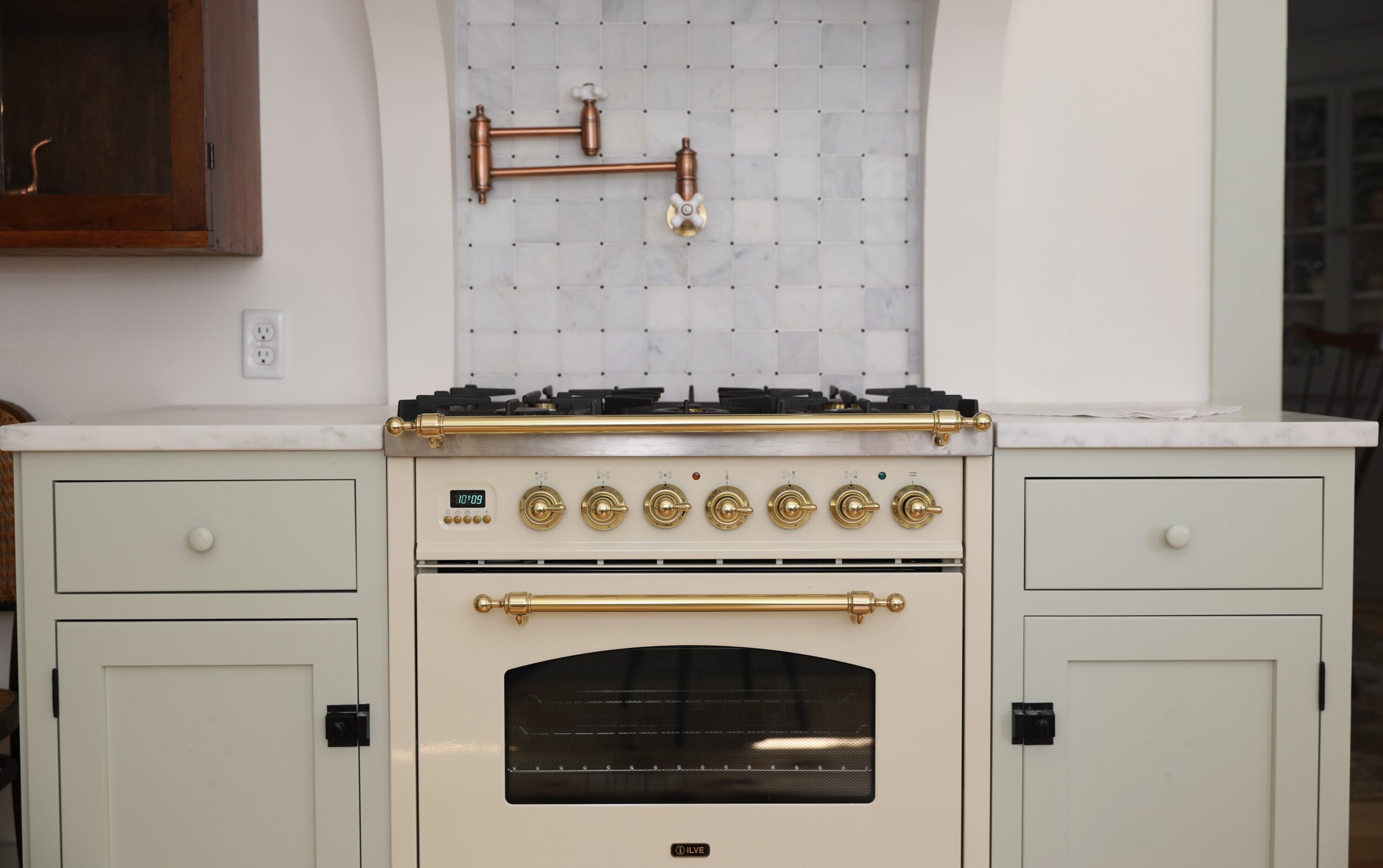
Flat-panel doors do not have any carving, rails, or stiles. Their sleek, minimalist look is perfect for transitional or contemporary kitchen designs, as they allow you to direct attention to other focal points like tasteful decor. Additionally, the simple construction makes them more affordable and easier to maintain.
Pros
Flat-panel options are typically more affordable than raised-panel options because they can be built faster and require less labor. Homeowners love that they are low-maintenance and that, when opened, they take up less space due to the lack of recessing. If you love modern designs, flat-panel doors may be the perfect match.
Cons
Some designers find flat-panel doors too plain, even with bold, solid color finishes or decorative knobs. Because they are more budget-friendly, they may also be less durable, and any dings or scratches will show up very clearly due to the flat texture.
Factors To Consider
You need to consider several factors when selecting between flat-panel vs. raised-panel doors. In addition to your personal preferences, consider your budget, material preferences, lifestyle, and overall environment. By weighing the various styles against these points, you can make an informed decision about this crucial purchase.
Price
Due to their intricate features, raised panels are usually more expensive. Flat panels offer greater cost-efficiency and flexibility, making them perfect for those seeking to create a modern kitchen on a budget.
Material
Regardless of what style you choose, the cabinet material will determine its cost and durability. Expensive options like solid wood and Thermafoil have a greater upfront investment, but they can withstand years of daily use. On the other hand, options like laminate or medium-density fiberboard (MDF) are cheaper and lower-maintenance, but they also may need to be replaced sooner.
When choosing a cabinet door material, consider your design, climate, and usage level. Certain materials, like MDF or plywood, are more resistant to humidity and daily wear, while solid wood or veneer may need regular adjustments as the seasons change.
In addition to learning about your design goals, the experts at iCabinetry Direct can discuss your lifestyle and budget to help you select the right cabinet doors for your needs.
Durability
Raised panel doors offer more structural integrity because they are made of interlocking parts: the raised center panel and the stiles and rails surrounding it. The strong glue and joints add extra durability.
On the other hand, flat panels are made of a single piece, so they are more likely to warp in a humid environment. Scratches or dents will also be more obvious because there are no visual details to distract from the damage.
Style
Your cabinet doors significantly impact how the kitchen looks and feels. Raised-panel cabinet doors are a popular option for classic kitchen designs due to their elegant details and old-world construction. Flat-panel cabinets fit seamlessly with clean, modern aesthetics, particularly the Scandinavian trend.
However, customization options can elevate this choice into something uniquely yours. Consider paint and stain finishes, whether that is a bright white or a cherry stain, then add the right handles.
Regardless of your tastes, you can buy Starmark cabinets online, then customize them to match your dream kitchen. Contact iCabinetry Direct for a custom quote and a personalized design consultation.
FAQs about Raised Panel Vs. Flat Panel Doors
Yes. The more complicated construction process adds structural integrity, meaning they often last longer.
Flat-panel doors are generally considered better for modern kitchens.
Yes, high-quality raised panel cabinet doors suggest a well-maintained home, which boosts its perceived value. The timeless and versatile look also encourages buyers to see themselves at home in this space.
MDF is a good option for painted cabinets because of its smooth surface, while plywood is strong and can be sanded to a smooth finish. Solid wood, while a luxurious choice, may need additional maintenance to avoid warping.
To clean raised panel cabinet doors, regularly wipe them down with a soft cloth, ensuring you remove any dust from the grooves. Do not use abrasive cleaning agents; only mild soap. You can use a soft-bristled toothbrush to reach into crevices and remove stubborn grime.