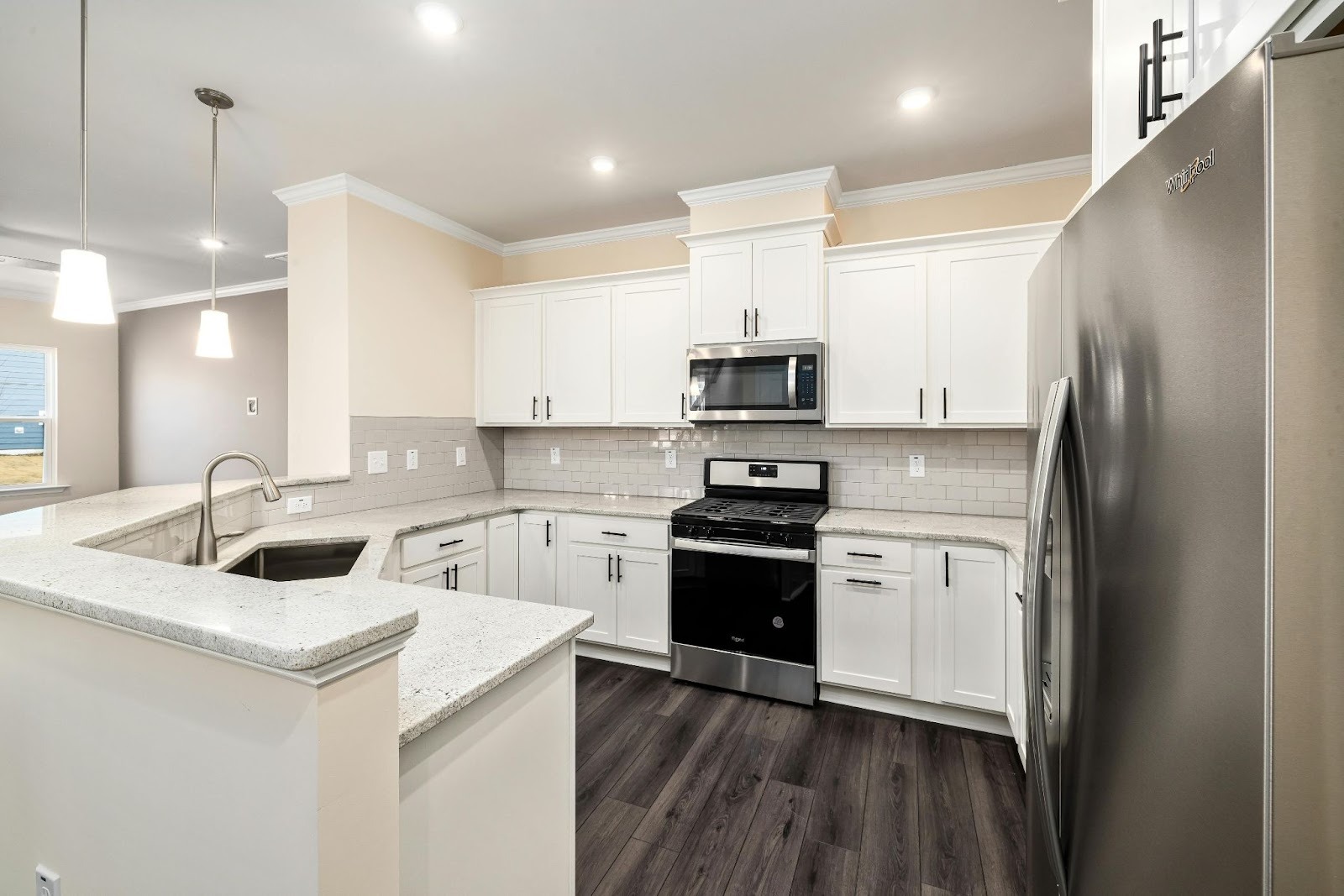
Crown molding has a subtle kind of power. It’s not attention-seeking, but once it’s there, a room feels finished in a way that’s hard to unsee. That clean line where the wall meets the ceiling suddenly feels more purposeful—like the space was truly designed, not just assembled.
Crown molding for ceiling design adds architectural definition, improves room proportions, and creates a polished transition between walls and the ceiling. The right molding choice depends on ceiling height, room size, and overall style. But when planned well, it instantly elevates kitchens, living rooms, and hallways without a full remodel.
This guide walks you through how to choose the right crown molding, how to size it correctly, and how to plan installation so the final result looks cohesive and professionally done.
What Is Crown Molding for Ceiling?
Crown molding is the decorative trim installed where the wall meets the ceiling. It plays both an aesthetic and architectural role by softening harsh angles, adding depth, and framing a room to make it feel complete.
Historically, crown moldings were used to showcase craftsmanship in traditional homes. Today, they’re just as relevant in modern spaces, whether you want subtle definition in a minimalist kitchen or dramatic detail in a formal living room.
At its best, crown molding doesn’t feel like an add-on. It feels like it belongs.
Why Add Crown Molding to Your Ceiling Design?
Crown molding may seem like a small detail, but visually, it makes a difference.
- It helps rooms feel taller by drawing the eye upward.
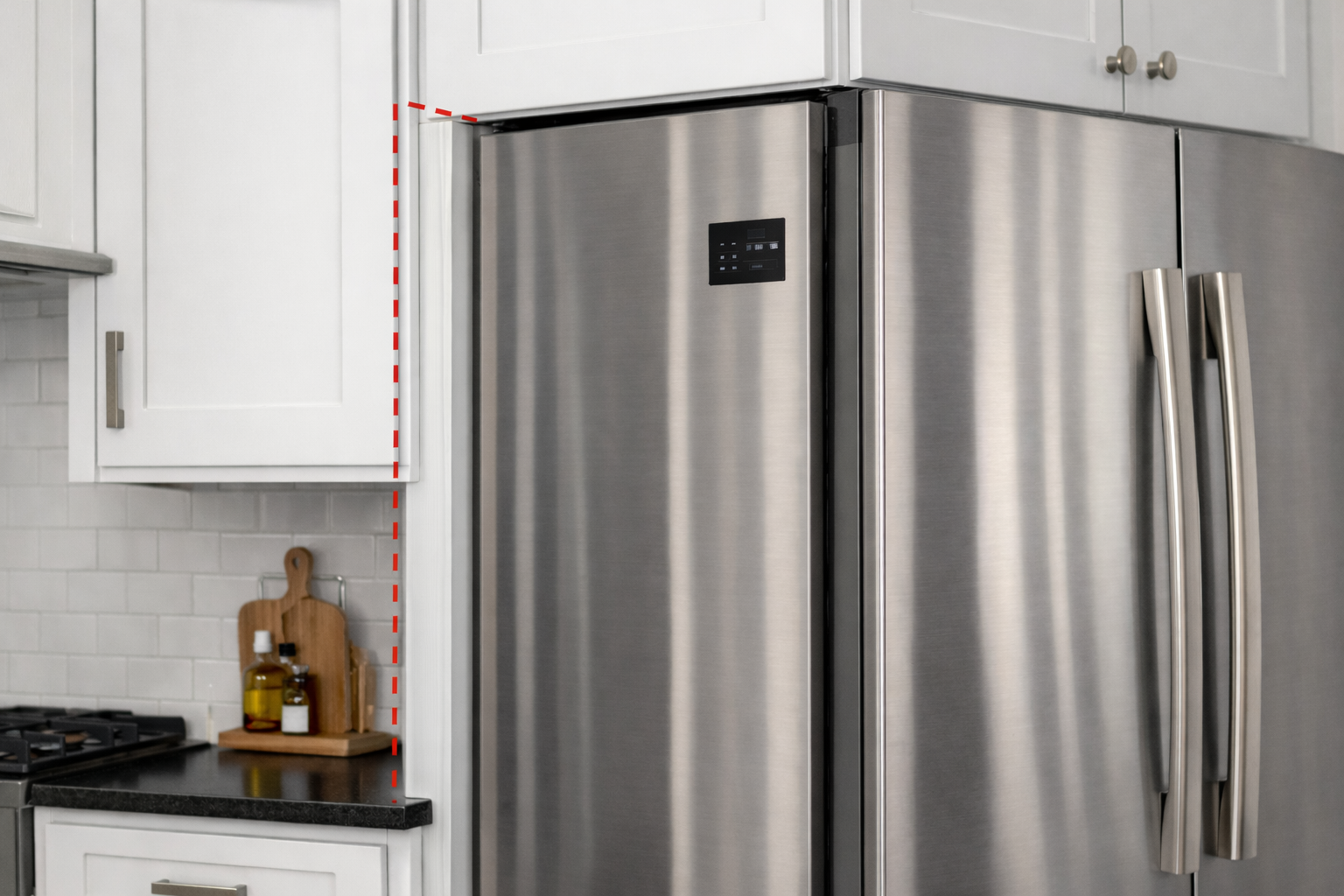
- It smooths the transition between surfaces in spaces with cabinetry or built-ins that stop short of the ceiling.
- It gives homes a finished, intentional look that bare drywall edges don’t provide.
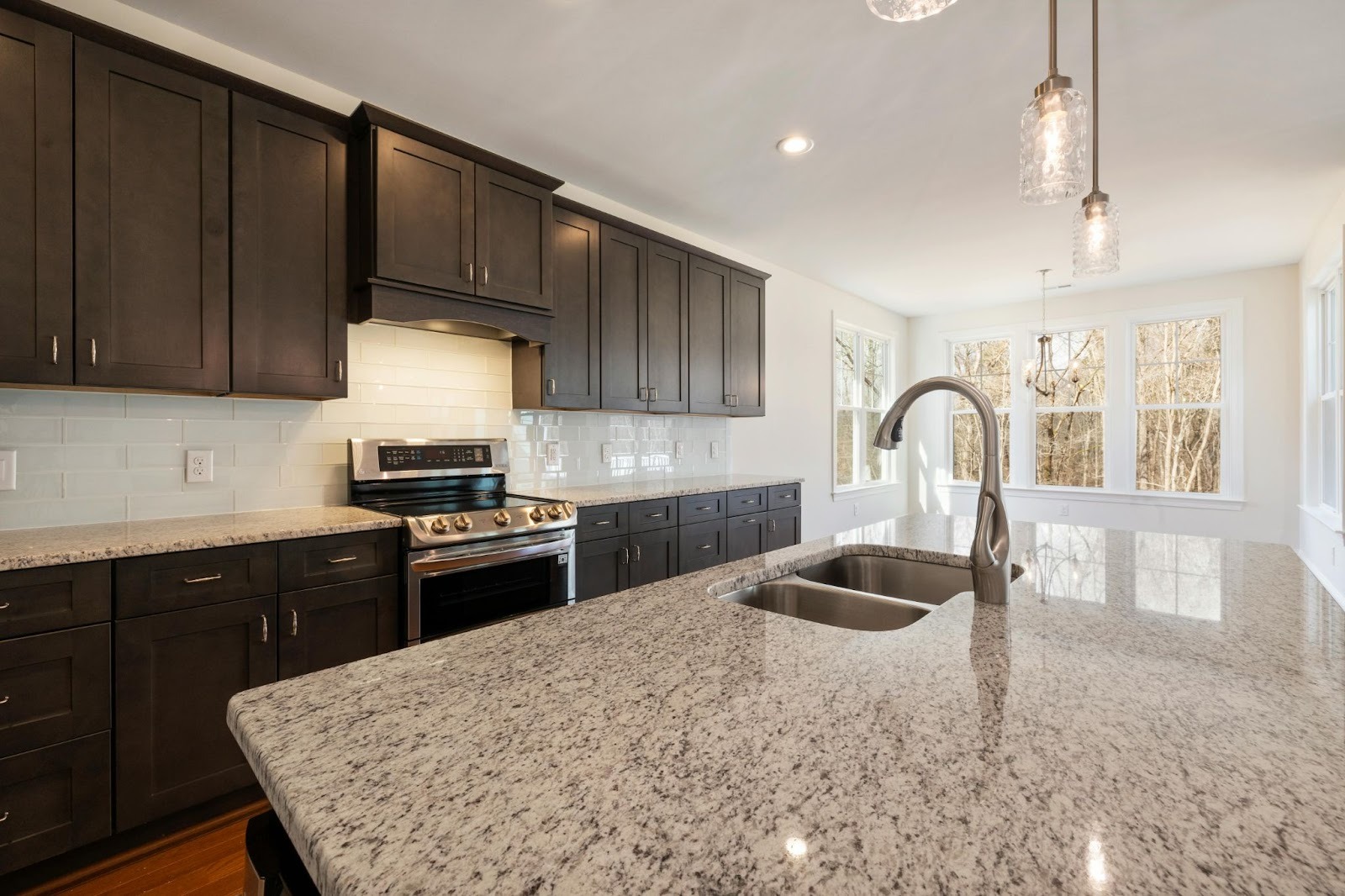
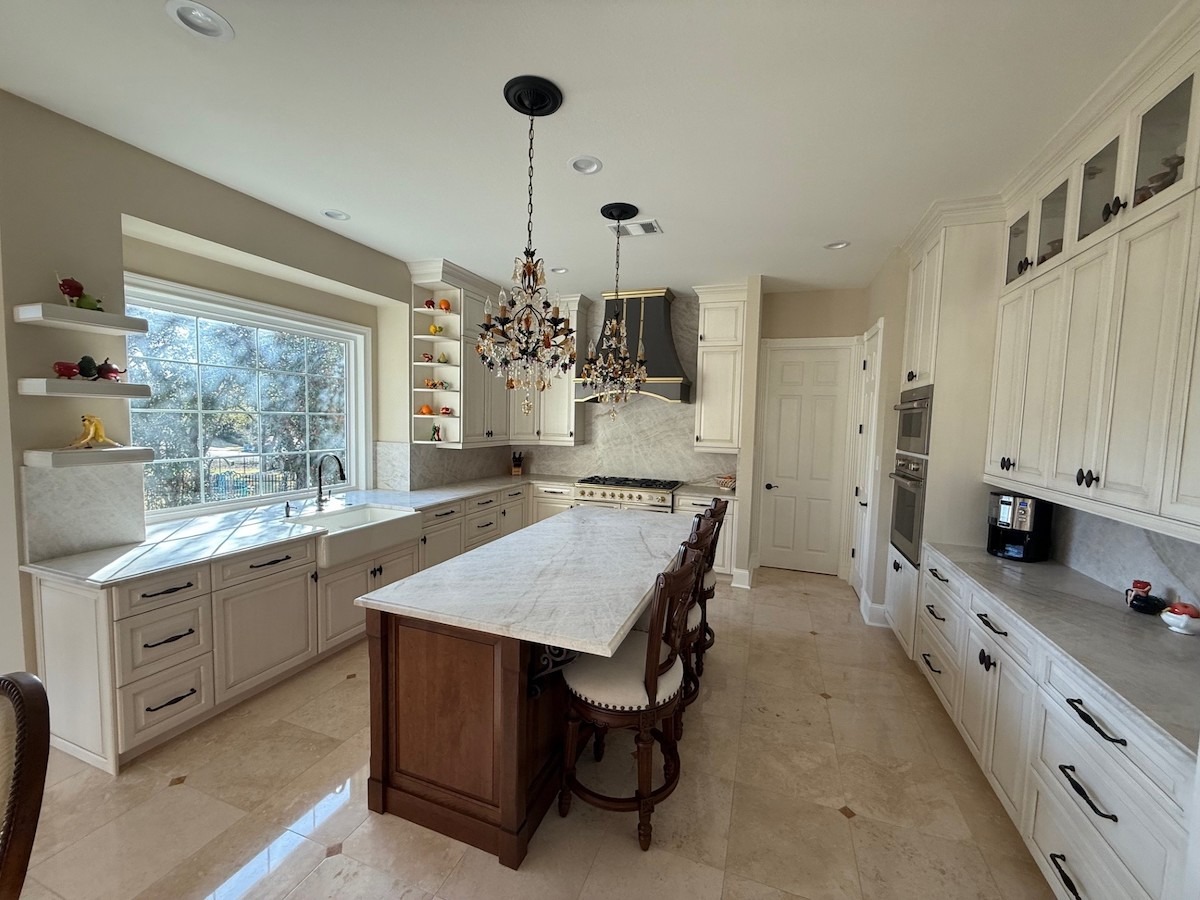
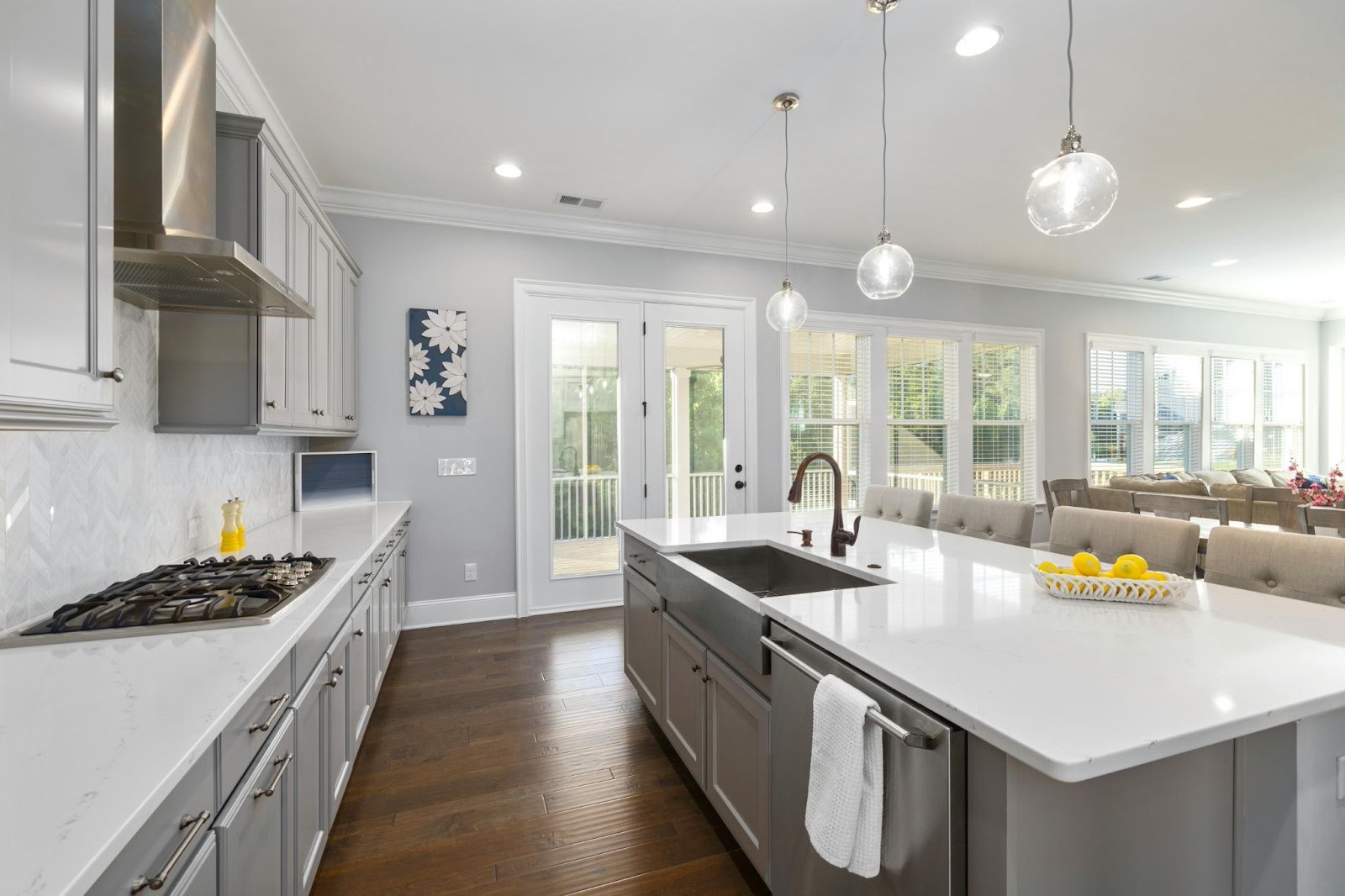
In kitchens especially, crown molding can tie upper cabinets into the ceiling so they feel custom rather than modular. In living areas, it adds elegance without requiring new furniture or layout changes.
🛠️ Pro Insight: Crown molding is one of the few upgrades that improves aesthetics without affecting how you use the room. This is a great low-disruption design choice.
Popular Crown Molding Styles and Profiles
Not all crown molding looks the same. The profile you choose sets the tone for the space.
- Traditional profiles
Often feature layered curves, stepped edges, or dentil detailing. These work beautifully in classic or transitional homes and pair well with detailed cabinetry.
- Cove molding
This is softer and simpler, with a concave curve that blends walls and ceilings gently. It’s ideal for understated elegance.
- Craftsman-style moldings
These emphasize clean lines and subtle depth, complementing shaker cabinetry and built-in woodwork.
- Modern minimalist profiles
These strip things back even further. Features include flat or gently angled shapes that add definition without ornamentation.
The key is matching the molding style to the room’s overall design language, not treating it as a standalone feature.
Choosing the Right Material for Crown Molding
Material choice affects both appearance and practicality.
- Wood crown molding is warm and authentic, but it’s more expensive and sensitive to humidity changes. It’s best for living rooms, dining spaces, or dry areas.
- MDF is a popular choice for painted moldings. It’s affordable, smooth, and stable in most indoor environments, though it’s not ideal for moisture-heavy spaces.
- Polyurethane moldings are lightweight, durable, and moisture-resistant. They’re a strong option for kitchens, bathrooms, and homes where temperature and humidity fluctuate.
- Plaster delivers unmatched detail and a classic feel, but it’s labor-intensive and typically reserved for high-end or historic homes.
🛠️ Pro Insight: If your molding will be painted (most are), MDF or polyurethane often delivers the cleanest finish with fewer long-term issues.
How to Match Crown Molding with Your Ceiling and Cabinets
Crown molding should feel seamless, not tacked on.
In kitchens, the molding profile should reflect the cabinetry style. For example, clean-lined cabinets pair best with simpler moldings, while ornate cabinets can support more decorative profiles.
Color matters, too. Painting crown molding the same color as the ceiling creates height and subtlety. Matching it to cabinetry adds a sense of cohesion. Using a contrasting color adds drama but requires precision to avoid visual clutter.
Lighting also matters. Shadows cast by crown molding can enhance depth, especially when paired with under-cabinet or cove lighting.
Determining the Correct Size and Proportions
Scale is everything with crown molding.
Low ceilings benefit from slimmer profiles that don’t crowd the room. Taller ceilings can support larger, more dramatic moldings without feeling heavy.
A common rule of thumb:
- 8-foot ceilings: 3–5 inch molding
- 9–10 foot ceilings: 5–7 inch molding
- 10+ foot ceilings: 7 inches or more
Always consider the size of the room as well. A large open space can handle bolder moldings than a narrow hallway.
Planning and Preparing for Installation
Good installation starts long before the first cut.
Measure carefully, accounting for corners, soffits, and uneven ceiling lines.
Check walls for level. Many ceilings aren’t perfectly straight, and crown molding will highlight inconsistencies if you don’t plan for them.
Gather the right tools, plan your cuts, and decide whether joints will be coped or mitered. These decisions affect how cohesive the result looks.
🛠️ Pro Insight: Test-fit small sections before committing. Tiny alignment issues become very noticeable once molding wraps the entire room.
Installation Options: DIY vs Professional Services
Installing crown molding is doable for confident DIYers, but it’s not beginner trim work.
Yes, DIY installation saves on labor costs. But it requires precision cutting, patience, and the ability to correct mistakes cleanly.
Professional installers can bring speed, accuracy, and problem-solving experience to the project. This is so important for complex layouts, tall ceilings, or custom profiles.
If crown molding is a focal feature of the room, professional installation is often worth the investment.
Finishing Touches: Painting and Lighting Integration
Don’t ignore the paint finish. Semi-gloss highlights detail and is easy to clean, while satin or matte finishes feel softer and more modern.
Integrated lighting, like LED strips tucked into stepped moldings, adds a lovely ambiance and enhances architectural design in kitchens and living rooms.
Whether you blend or contrast colors, consistency across the room is essential.
Common Mistakes to Avoid When Installing Crown Molding
One of the biggest mistakes homeowners make is choosing molding that’s too large for the space. Another is rushing cuts and ending up with visible gaps at corners.
Ignoring ceiling irregularities, skipping test fits, or mismatching styles with cabinetry can also undermine the final look.
Take time with planning. Crown molding rewards patience.
Price and Budget Considerations
Costs vary widely based on material, size, and installation method.
- MDF and polyurethane moldings are more affordable and widely stocked.
- Wood and plaster increase material and labor costs.
If you’re already renovating or updating cabinetry, adding crown molding at the same time often reduces overall labor expenses.
FAQs about Crown Molding for Ceiling
What is the standard height for crown molding on ceilings?
There’s no single standard, but 3–5 inches works well for 8-foot ceilings, while taller ceilings can handle larger profiles.
Can I install crown molding on textured or uneven ceilings?
Yes, but gaps may need caulking or flexible molding to achieve a clean finish.
What materials are best for crown molding in humid areas like kitchens?
Polyurethane and moisture-resistant MDF perform best in kitchens.
How do I match crown molding color with ceiling and wall paint?
Matching the ceiling creates height, and matching cabinetry creates cohesion. Contrast should be used intentionally.
Does crown molding increase home resale value?
While subtle, crown molding enhances perceived quality and craftsmanship. These are features buyers notice.