Inset cabinet doors are beautiful, precise, and timeless, but they can be unforgiving. When a door sits flush inside the cabinet frame, every detail matters, especially the hinges. The right hinge choice impacts how smoothly your doors open, how long they last, and whether your cabinetry feels clean and seamless or rich with character.
When choosing the best hinges for inset cabinet doors, you’re balancing function and aesthetics. Concealed hinges offer a modern, hidden look with adjustability and soft-close options, while finial (exposed) hinges add decorative charm and traditional craftsmanship. The best option depends on your cabinet style, budget, and how you use your kitchen every day.
If you’re planning a new kitchen or upgrading cabinetry, understanding hinge options early makes it easier to confidently buy kitchen cabinets online that are already designed to work with the hinge style you prefer.
Let’s get into it.
Understanding Inset Cabinet Doors
Inset cabinet doors sit inside the cabinet frame rather than overlapping it. When closed, the door rests flush with the frame. This creates a clean, tailored look with narrow, even gaps around the edges.
This style is popular in high-end traditional kitchens and modern spaces because it feels intentional and architectural. But inset doors require precision. The door’s position, hinge alignment, and cabinet frame must all work together perfectly, or you’ll notice misalignment, sagging, or rubbing immediately.
That’s why hinge compatibility is crucial for any inset cabinet project.
Why Inset Doors Demand More From Their Hinges
Inset cabinet doors are less forgiving than overlay doors. With overlay cabinets, the door overlaps the cabinet frame, which hides small alignment issues. Inset doors don’t offer that grace. Every gap is visible, and every shift shows.
Because inset doors sit flush inside the frame, they rely heavily on hinge precision to maintain an even reveal around all four sides. If the hinges aren’t properly aligned, you’ll notice doors rubbing, sagging, or sitting unevenly within the cabinet frame.
Wood movement makes this even more important. Cabinets are made from a living material. Seasonal humidity changes can cause doors to expand slightly in summer and contract in winter.
The right hinges help maintain a flush appearance, support the door’s weight and allow for adjustments over time, especially in kitchens with regular temperature and humidity fluctuations.
Types of Hinges for Inset Cabinets
When it comes to inset cabinet hinges, there are two main categories to choose from:
- Concealed hinges, which are hidden
- Finial hinges, also known as exposed or decorative hinges, including butt hinges
Each has strengths and tradeoffs. Let’s get into those now.
Concealed Hinges: Pros, Cons, and Best Uses
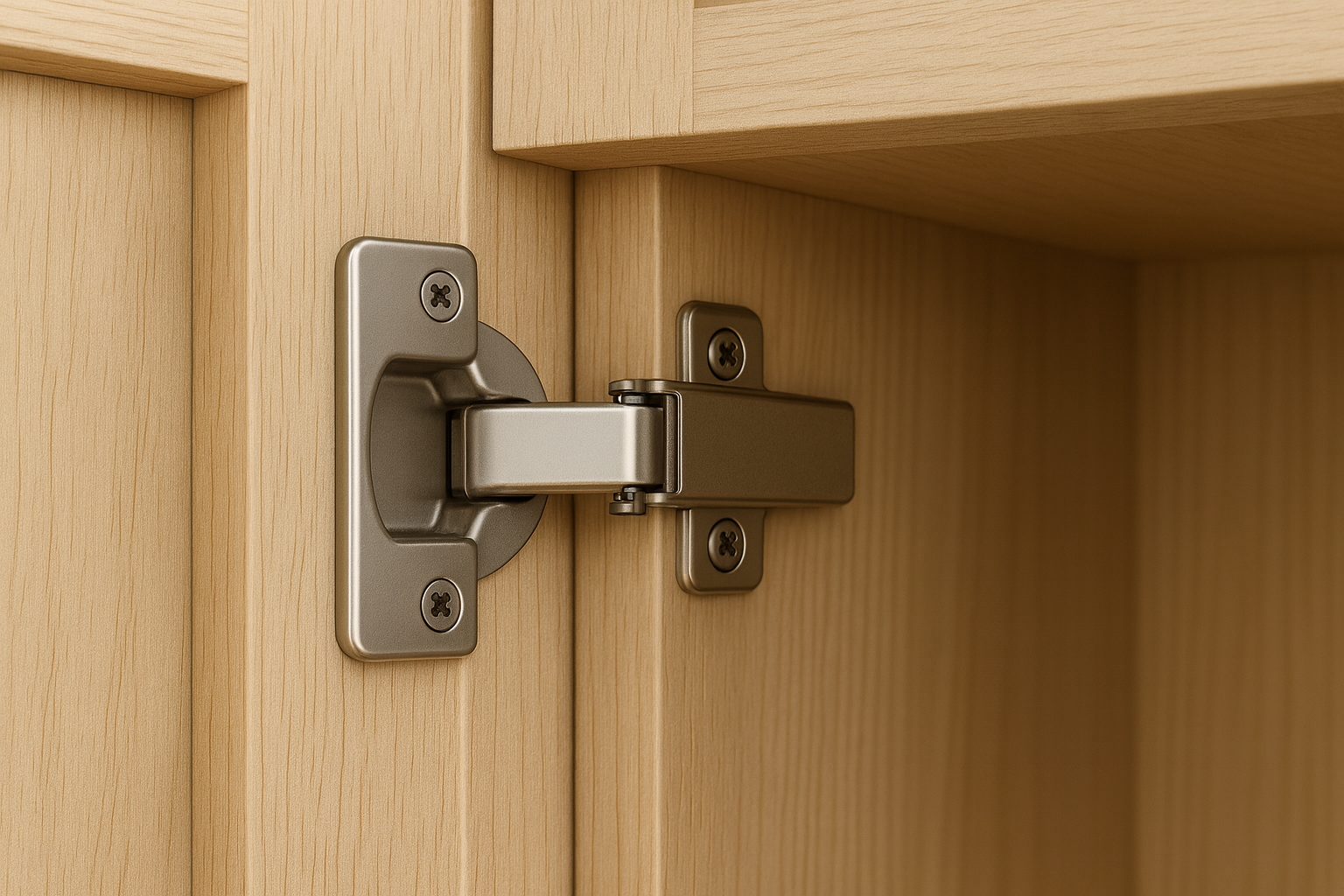
Concealed hinges (often called Euro hinges) are hidden when the cabinet door is closed. You won’t see them from the outside at all.
Why homeowners love concealed hinges
- Clean, modern appearance
- Adjustable after installation (huge win for inset doors)
- Often include a soft close feature
- Smooth, quiet operation
- Great for frameless and face-frame cabinets
Brands like Blum are popular because they’re reliable, adjustable, and durable.
The downsides
- No decorative detail (what you gain in minimalism, you lose in visual charm)
- Slightly higher cost for high-quality concealed hinges
- Installation requires accurate measurements
🛠️ Pro Insight: Inset doors will move slightly over time as wood expands and contracts. Concealed hinges with adjustment screws allow you to fine-tune alignment years later.
Best for:
- Modern kitchens
- Minimalist or transitional designs
- Homeowners who want soft-close doors
- Anyone prioritizing adjustability and function
Real-Life Kitchen Use: Concealed Hinges in a Busy Kitchen
Concealed hinges shine in kitchens that see daily, heavy use. Think families who cook often, open the same cabinet doors dozens of times a day, or want a quieter, smoother experience overall.
Soft close hinges prevent slamming, reduce wear on cabinet doors, and make the kitchen feel calmer and more refined.
They’re also ideal for homeowners who plan to live in their space long-term. If doors shift slightly over the years, the built-in adjustability means you can fine-tune alignment without removing doors or rehanging hardware.
Finial Hinges: Pros, Cons, and Best Uses
Finial hinges are visible when the door is closed. Consider them a design feature, not something you hide.
You’ll often see them in finishes like oil rubbed bronze, brass, flat black, or satin nickel, adding contrast and personality to your cabinetry.
Why people choose finial hinges
- Decorative, old-world charm
- Perfect for traditional, farmhouse, or cottage kitchens
- Strong visual detail on plain cabinet doors
- Authentic craftsmanship feel
Butt hinges are the most common finial hinge used for inset doors, mounted directly to the cabinet frame and door edge.
The downsides
- Limited adjustability after installation
- No built-in soft close
- Precise installation is critical
- More visible wear over time
🛠️ Pro Insight: If you choose exposed hinges, spend more on quality hinges. Cheap finial hinges can loosen, squeak, or show wear quickly.
Best for:
- Traditional or farmhouse kitchens
- High-end cabinetry with character
- Homeowners who value decorative detail
- Period or heritage-inspired homes
Real-Life Use Case: Finial Hinges as a Design Feature
Finial hinges are chosen by homeowners who see cabinetry as crafted furniture rather than purely functional storage. In historic homes, cottages, or farmhouse kitchens, exposed hinges reinforce that sense of craftsmanship and authenticity.
They’re most effective when paired with simple inset doors, where the hinge becomes a visual accent. In these kitchens, the hinge becomes part of the story.
Just keep in mind that they work best in spaces where installation is meticulous and door movement is minimal.
How to Choose Based on Style, Function, and Budget
Still deciding which hinge style is best for your kitchen? Here’s how to narrow it down.
Choose concealed hinges if:
- You want a seamless, flush appearance
- Soft close is a must
- You prefer modern or transitional design
- You want adjustability after installation
Choose finial hinges if:
- You want visible hardware as a design feature
- Your kitchen leans traditional or rustic
- You don’t mind manual closing
- You value craftsmanship over minimalism
Budget-wise, concealed hinges range widely depending on brand and features. Finial hinges vary by material and finish, but high-quality options can cost just as much (or more).
Installation Considerations and Tips
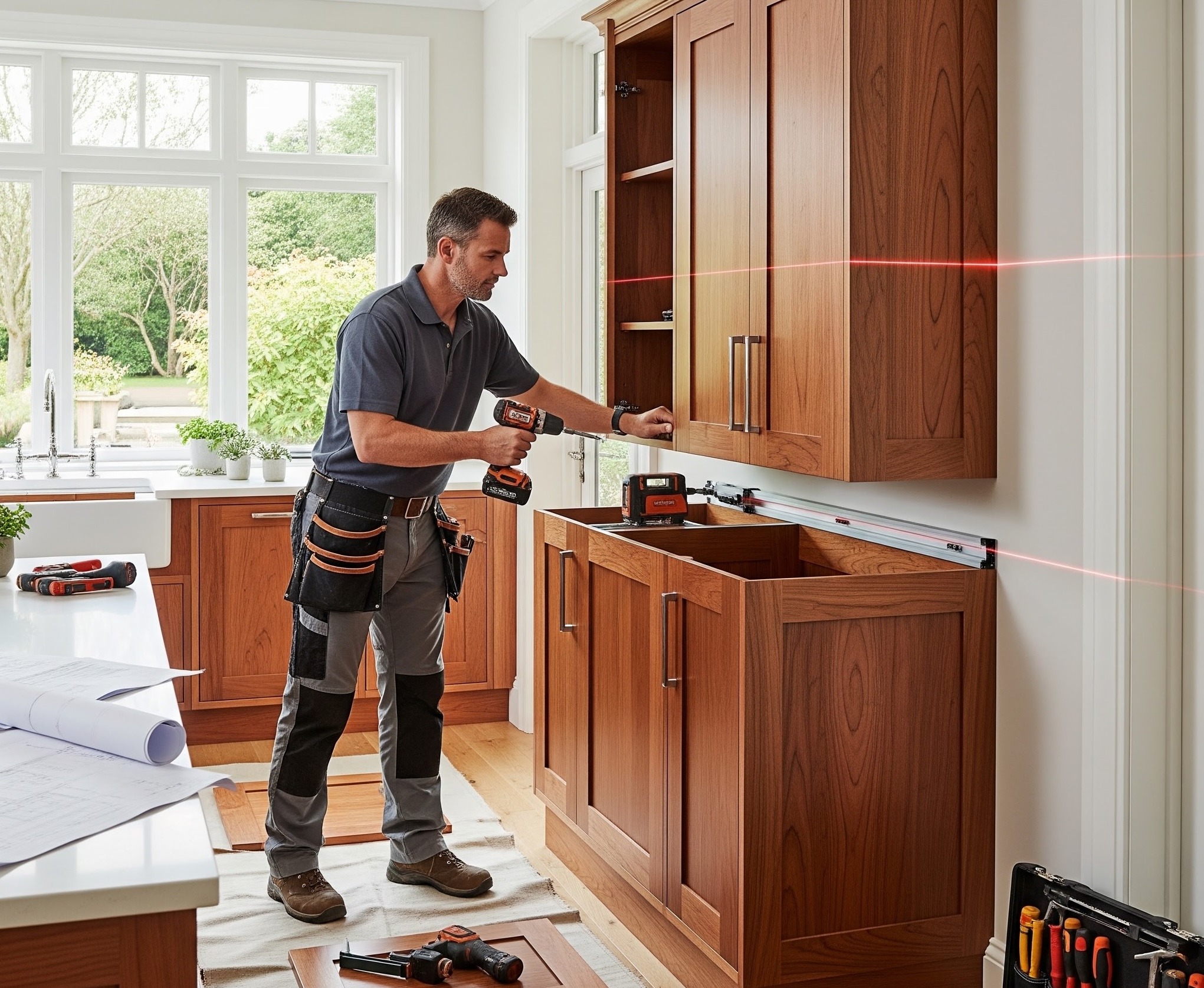
Inset hinges, regardless of style, aren’t forgiving. Whether you’re a DIY enthusiast or working with a professional, proper installation matters.
Key considerations:
- Accurate measurements are necessary
- Cabinet frame and door must be perfectly square
- The gap around inset doors should be even on all sides
- Hinges must support the full weight of the door
Concealed hinges offer easier adjustment after install. Finial hinges require more upfront precision.
🛠️ Pro Insight: If your cabinet doors are solid wood and heavy, always verify hinge weight ratings. Undersized hinges lead to sagging and misalignment over time.
Final Thoughts: Pairing Hinges with Cabinet Style
The best hinges for inset cabinet doors aren’t about what’s “better”—they’re about what fits your kitchen.
Concealed hinges disappear into the background, letting cabinetry shine with a modern, seamless look. Finial hinges do the opposite, adding detail, contrast, and personality.
Once you’ve chosen your hinge style, it becomes much easier to confidently buy kitchen cabinets online that are engineered for proper inset installation, saving time, money, and future frustration.
FAQs About the Best Hinges for Inset Cabinet Doors
What kind of hinges work best with inset cabinet doors?
Both concealed hinges and finial hinges work well, as long as they’re specifically designed for inset doors and installed correctly.
Are concealed hinges better than exposed hinges for modern kitchens?
Yes. Concealed hinges are typically preferred for modern kitchens because they offer a hidden look, adjustability, and soft-close functionality.
Can I install inset cabinet hinges myself, or do I need a professional?
DIY is possible if you’re experienced and precise. Inset hinges require accurate measurements and alignment, so many homeowners opt for professional installation.
Do concealed hinges allow soft-close functionality?
Yes. Many concealed inset hinges include soft close as a standard feature or optional upgrade.
Are the inset hinges adjustable after installation?
Concealed hinges are adjustable after installation. Most finial hinges are not, which is why precise installation is crucial.