Kitchen cabinets aren’t just storage; they are an aesthetic choice that impacts how your home feels and functions. iCabinetry’s wide array of wholesale cabinetry for homeowners and professionals can be designed to accommodate any size kitchen. As such, you must know how to calculate the ideal cabinet space for any kitchen. Our industry experts are here to guide you through the kitchen planning process so you receive the custom cabinetry of your dreams.
Step-by-Step Guide to Measuring Your Kitchen for Cabinets
1. Create a Kitchen Layout
Layout sketching is the foundation of kitchen planning. These measurements should include walls, windows, doors, and fixed appliances. You should also note any obstacles, such as crown molding, that can interfere with your cabinets.
An app like Canvas.io or a kitchen design app is invaluable because it allows you to develop a 3D rendering of the floor plan. This makes it easier to visualize the cabinet layout while ensuring you will have enough space to complete tasks.
2. Measure Your Walls
Accurate wall measurements ensure that your kitchen cabinets fit perfectly. You will need to take both vertical and horizontal measurements.
Horizontal Measurements
Measure horizontally from one corner of the wall to the other. Mark any windows or appliances. This gives an idea of how many base cabinets you need, how wide they should be, and whether you have any wasted space.
Vertical Measurements
Measure vertically from the floor to the ceiling, marking 36 inches from the floor. Standard .base cabinets with countertops are 36 inches tall, as this brings the countertops to the right height for the average person.
Upper cabinets come in different heights, typically 30 inches, 36 inches, and 42 inches. Generally, they will be mounted 54 inches from the floor to ensure enough clearance between the countertop and the shelving. Make another mark at 54 inches to see where the upper kitchen cabinets will likely go.
3. Record Measurements of Openings and Obstacles
Both kitchen wall cabinets and base cabinets should be properly aligned around doors, windows, and other obstacles. Failing to account for these can require expensive customization and reduce available space.
- Windows and Doors: Measure the width and height of each window and doorway from the outer edges of the trim.
- Other Obstacles: Include radiators, pipes, outlets, and any other obstructions. Measure the distance from these obstacles to the nearest wall or floor edge.
4. Measure for Appliances
Proper appliance settings can make food prep more seamless, and they also influence how cabinets should be positioned. If there are small spaces between appliances, you may need filler panels.
Mark the location of your appliances, such as the stove, refrigerator, and dishwasher. Measure their dimensions and the space they occupy, ensuring there is adequate room for ventilation and functionality.
Calculating Cabinet Space
Calculating the available cabinet space ensures you have adequate storage and helps determine which cabinet type to order. While most people choose the standard dimensions, those with unique layouts, like a U-shaped kitchen, may have to order custom sizes.
1. Standard Cabinet Dimensions
Understanding standard cabinet sizes helps in planning your kitchen layout effectively.
- Base Cabinets: Lower cabinets are set below the countertop and are often used to store small appliances or cookware. Standard cabinet depth is 24 inches, and standard cabinet height is 34.5 inches. You should align the cabinet depth about an inch to an inch and a half recessed behind the countertop depth.
- Wall Cabinets: Hung above the cooking space, these provide easy access to things like utensils, canisters, and dishware. Depths range from 12 to 24 inches, with heights varying from 30 to 42 inches.
- Tall Cabinets: These are often used as utility cabinets or pantry cabinets, making the most use of the kitchen space while hiding necessities like cleaning supplies. They are often 84, 90, or 96 inches high and 12 or 24 inches deep.
2. Determine Your Storage Needs
Your overall lifestyle makes a significant difference in how you designate cabinets for daily use and where they should go. Consider these factors when determining what storage solutions you may need.
- Pantry Space: A family of four will likely need more extra storage, for things like cereal, canned goods, and small tools, than a single person who mostly orders out. As such, a mixture of tall cabinets and base cabinets will make the best use of the space.
- Cookware Storage: If you love cooking, then you may need extra space for your utensils and deep drawers for pots. Those who don’t like to entertain may prefer more wall cabinets so they can store their favorite snacks.
- Utensil Space: Those with a large collection of specialized utensils may want small drawers in their base cabinets to keep everything organized, while someone with a more minimalist lifestyle may just have one single top drawer to put all their forks and spoons in.
Optimizing Your Cabinet Space
Smart planning prevents dead space and ensures optimal efficiency of your available space, regardless of your kitchen’s size. The best solution will depend on your needs and workflow.
1. Choose the Right Layout
Your kitchen layout plays a vital role in determining the efficiency and flow of the space. Common layouts include:
- L-Shaped: Ideal for maximizing corner space and providing ample countertop area.
- U-Shaped: Offers the most storage and counter space but requires a larger kitchen.
- Galley: Best for small kitchens, with cabinets on two parallel walls.
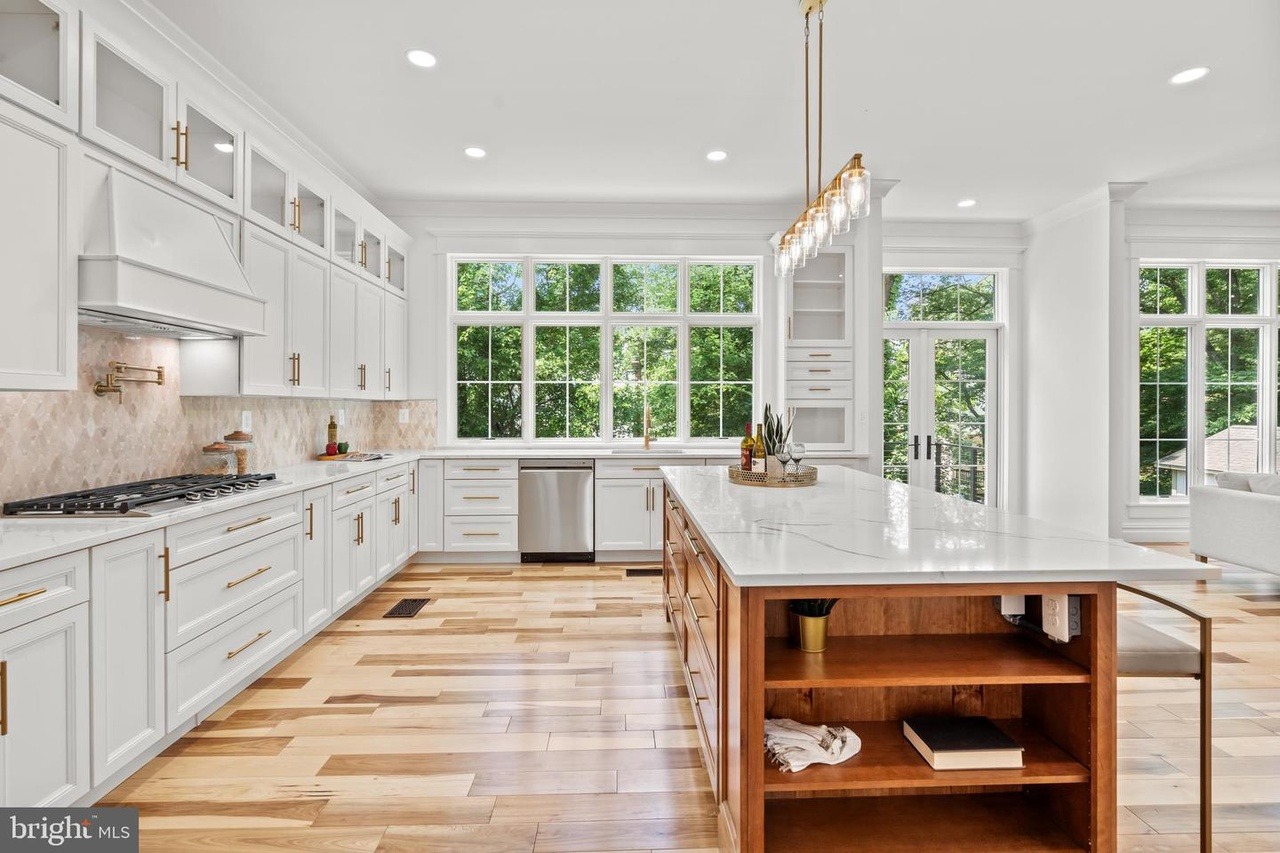
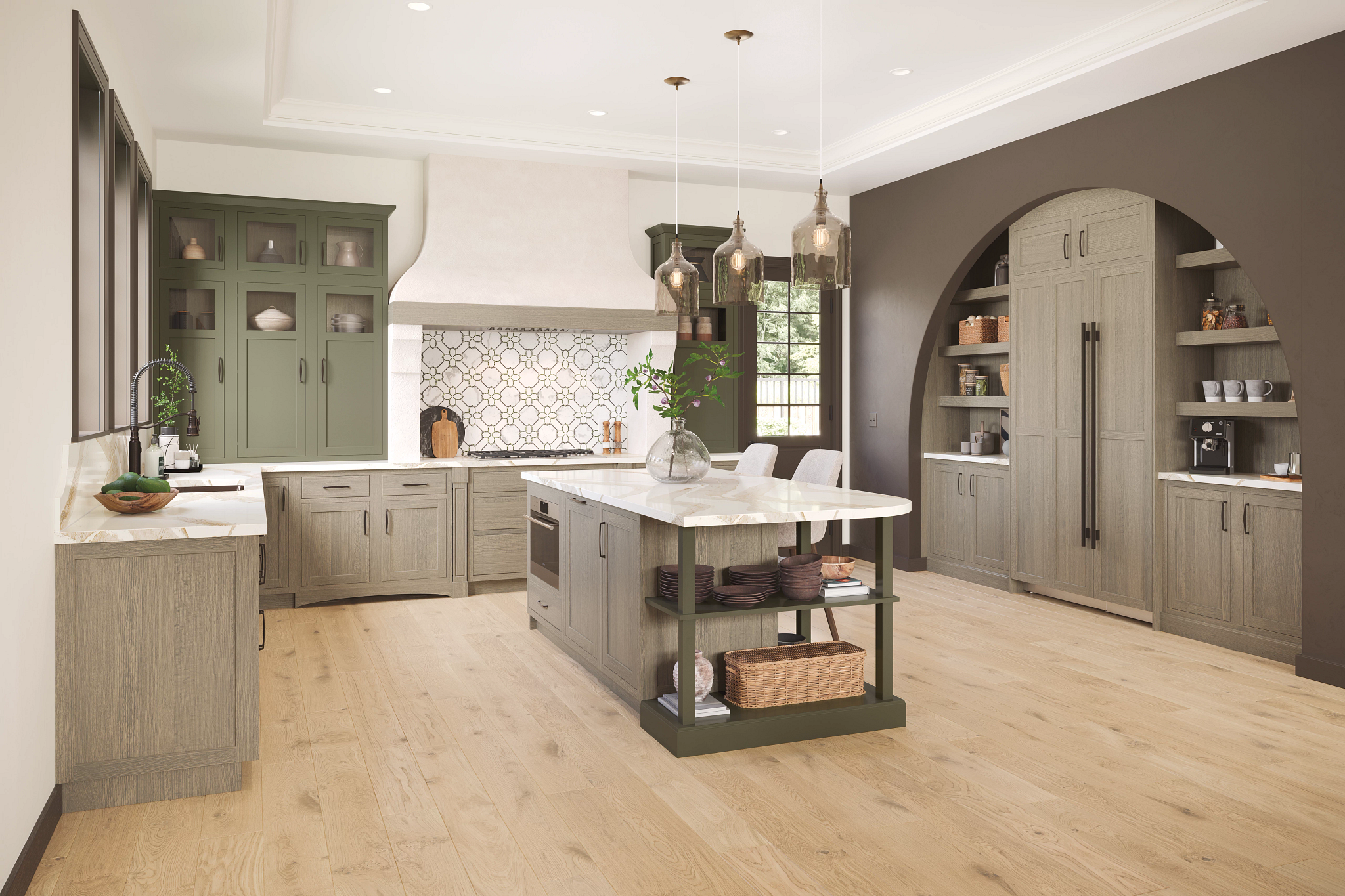
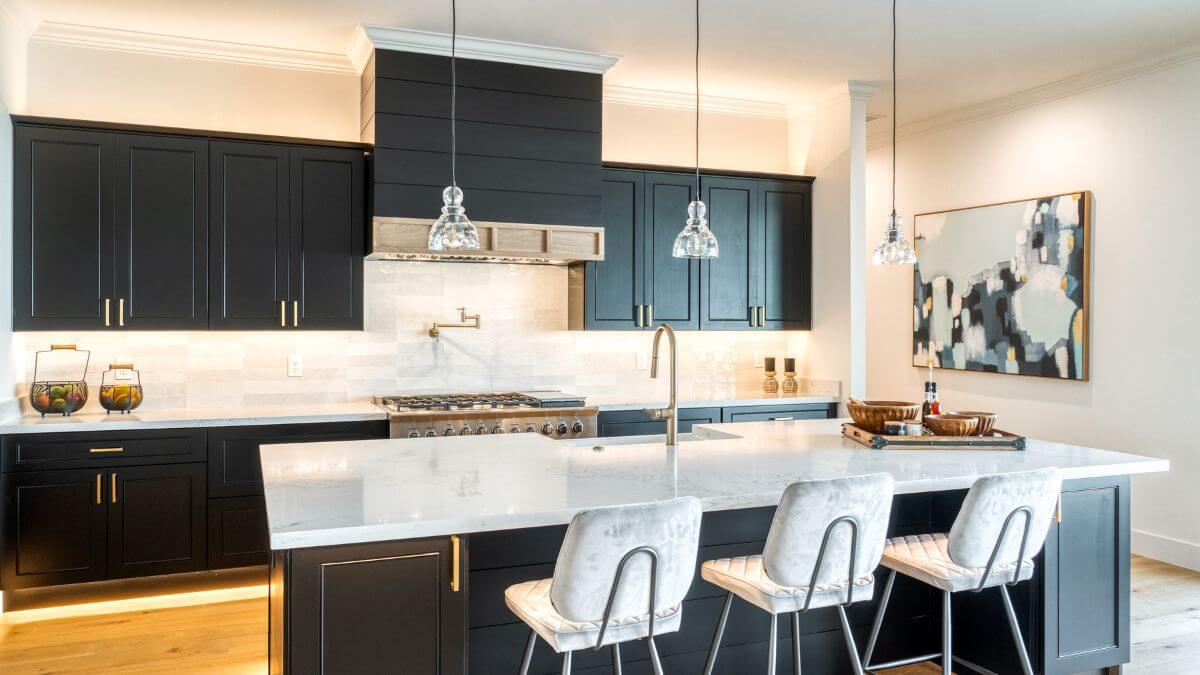
- Island: Adds extra counter space and storage in larger kitchens.
It’s also possible to combine these depending on your overall preferences. For example, if you want a dedicated space to share a meal with family in the morning, then a U-shape with an island can maximize your storage while also offering additional room for cooking and dining.
2. Consider Cabinet Features
Features like pull-outs, dividers, and built-ins are essential tools for small kitchens. This ensures that even the smallest space has value, creating a highly efficient cooking zone that feels much larger than it is.
- Pull-Out Shelves: If you have deep cabinets, pull-outs ensure that you can find everything you need and that items don’t get stuck in the back.
- Lazy Susans: These rotating shelves help you make the most of corner cabinets. You can generally have two of them, which help to organize items.
- Built-In Organizers: These keep utensils, spices, and dishware organized. Dish racks are especially helpful for quickly grabbing a particular plate without accidentally dropping any.
- Pot Racks: Hanging your pots up can leave the interior space in your cabinets available for canned goods or spices. However, you will want to speak to your cabinetmaker ahead of time to ensure that the cabinets you select are strong enough to handle the weight.
- Pull-Out Spice Racks: These are a valuable way to keep all your spices in one place, neatly organized for maximum efficiency.
- Trash Pull-Outs: No one wants to trip over their trash can while cooking. This tilt-out drawer creates a tidier appearance and enhances workflow.
Common Cabinet Planning Mistakes to Avoid
Renovating a kitchen can be a significant undertaking that requires careful orchestration of every element. Unfortunately, many homeowners fail to take everything into consideration, which leaves them frustrated with the end result. By keeping these common issues into mind, you can ensure you have a seamless planning experience.
- Ignoring Outer Trim and Appliance Clearance: Wall trim can become invisible to a homeowner over time, causing them to overlook measuring it or considering its impact on their wall cabinets. Similarly, they may not consider that certain appliances, like dishwashers and stoves, require additional clearance to prevent fire hazards or warped cabinets.
- Incorrect Layout Assumptions: The room’s dimensions may result in certain layouts being cumbersome. For example, wall cabinets right next to the door may make the room feel small and cramped.
- Underestimating Storage: Without enough storage, you reduce the available counter space, which can lead to your kitchen feeling cluttered.
- Neglecting Cabinet Features: Even with enough storage, failure to properly organize the space can lead to items getting lost inside or inefficient organization.
When to Work with a Professional Designer
Professionals can identify inefficient layouts, suggest space-saving cabinet tricks, and help you avoid expensive remodeling.
Some signs that you may need help from a professional designer include the following.
- Unusual Kitchen Layout: Those with very small kitchens or unique layouts can benefit from our space-maximizing suggestions.
- Large Families: Most kitchen layouts assume a four-person household when calculating cabinet space and layout. If you have a larger family, you may need specialized solutions.
- Historical Upgrades: Older homes don’t always have the most efficient layouts, and there may be inclusions like old coal chutes or milk doors that have to be considered when planning where to put cabinets.
- Specialized Functions: Those who use their kitchen for frequent entertaining, home businesses, or other purposes may benefit from professional help to maximize their space.
- Custom Cabinetry: When purchasing high-end cabinets, you want to ensure they look their very best. Our design team can assist in highlighting your luxury products.
The team at iCabinetry has helped hundreds of customers craft their dream kitchen with high-quality kitchen cabinetry. Contact us today for personalized advice and helpful design suggestions.
Ready to Design Your Ideal Kitchen?
iCabinetry’s personalized consultations can transform even the smallest kitchen into a chef’s dream. Our wholesale cabinetry solutions, high-quality craftsmanship, and array of customization options will elevate your kitchen design. Visit our website or call us to get started today.
FAQs about Calculating Kitchen Cabinet Space
This depends on your lifestyle, the number of people you have in your household, and available space. For example, a single person would need about six square feet of cabinet space. Add 15% to 20% more for each person in the household.
The amount of cabinet space you need depends on your kitchen’s size. Generally speaking, this is how much you will need based on square footage.
Small Kitchen (under 150 sq ft): 1400 square inches
Medium Kitchen (151-350 sq ft): 1700 square inches
Large Kitchen (over 350 sq ft): 2000 square inches
Cabinets that go all the way to the ceiling can provide a neat, clean look, as there’s no space for dust or grime to get trapped on the top. On the other hand, you will likely need a step ladder to access the very top shelves, making this area good for things you may only use on a yearly basis.
To plan around large appliances, measure the appliances and available space, then use the kitchen work triangle theory to create a triangle between the most essential elements. The sink, refrigerator, and stove are the three points of the work triangle, with cabinets or walkways in between them. For example, you could have the countertop between the sink and stove, an entryway between the stove and fridge, and an island with additional cabinets along the line between the fridge and sink.
Place your oven beside the most-used countertop, ensuring there are 15 inches of landing space between them. You can then add lower cabinets below the countertop.
You should ensure that you leave ample space between the uppers and the stove to avoid any fire hazards. Many people choose to have only half the uppers above the stove so they can mitigate any potential risk.
Yes, this can be an excellent way to calculate space and ensure that you have a well-organized layout. Tools like Canvas.io let you use real pictures of your existing kitchen, then overlay them with different options. 3D renderings are more helpful than simple pen-and-paper layouts, which are usually only done from a top-down perspective and may not accurately reflect your workflow.
iCabinetry has a number of helpful tools for designers and contractors, enabling them to plan a stunning kitchen design. You can also contact us for advice on which calculators are the most helpful when planning your kitchen layout.